Importance of Workforce Transformation in the AI Era
Workforce Transformation in the AI Era refers to the shifts in jobs, skills, and organizational structures brought about by the integration of artificial intelligence into workplaces. AI is reshaping tasks across industries, by automating routine work, augmenting complex decision-making, and creating new categories of employment. Its importance today lies in the urgency for workers, employers, and governments to adapt to rapid changes in labor markets.
For social innovation and international development, workforce transformation matters because mission-driven organizations must both prepare their own staff for change and help communities navigate shifting economies shaped by AI.
Definition and Key Features
Transformation occurs on several levels: task automation, skill reconfiguration, and role creation. Studies by the World Economic Forum and ILO estimate that while millions of jobs may be displaced by AI, new roles will emerge in areas like data management, human–AI collaboration, and digital services. The pace and nature of transformation vary across countries, sectors, and income groups.
This is not the same as workforce digitization, which involves basic ICT integration. Nor is it equivalent to automation alone, which focuses narrowly on job loss. Workforce transformation encompasses both risks and opportunities across the employment landscape.
How this Works in Practice
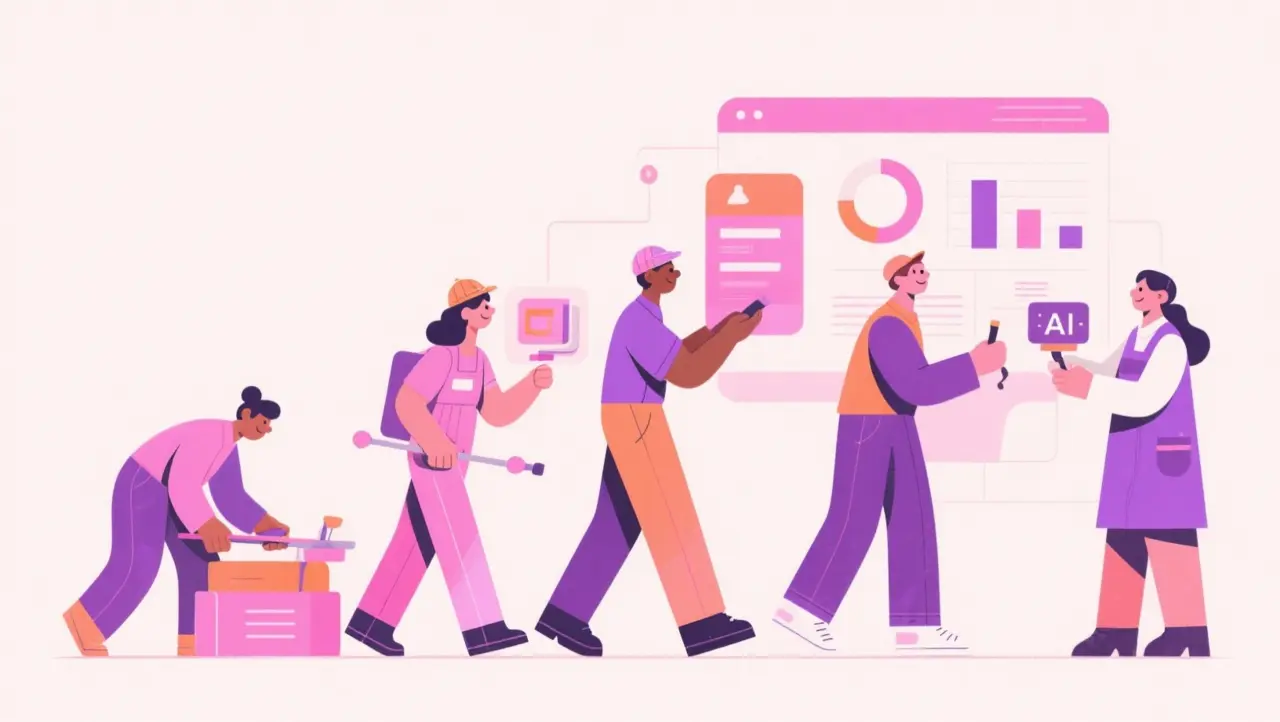
In practice, workforce transformation might mean healthcare workers adopting AI diagnostic tools that change their daily routines, teachers using adaptive learning platforms that shift classroom dynamics, or civil servants managing digital systems instead of paper records. New roles in AI governance, data ethics, and digital inclusion are also emerging.
Challenges include unequal access to reskilling, risk of exacerbating gender and income inequalities, and uncertainty about which skills will remain relevant. Mission-driven organizations must support both technical upskilling and “human” competencies such as critical thinking, empathy, and leadership.
Implications for Social Innovators
Workforce transformation has direct implications for mission-driven sectors. Health programs must prepare clinicians to work alongside AI diagnostics rather than be displaced by them. Education initiatives must redesign curricula to prepare students for AI-shaped futures. Humanitarian agencies must reskill staff for data-driven crisis response while ensuring field expertise is not undervalued. Civil society organizations play a key role in advocating for policies that protect workers and promote equitable access to new opportunities.
By proactively engaging with workforce transformation, organizations can help ensure that AI reshapes work in ways that enhance dignity, equity, and human potential.