Importance of Dataset Licensing and Consent
Dataset Licensing and Consent address the legal and ethical frameworks that govern how data is collected, shared, and used in AI systems. Licensing defines the terms under which datasets can be accessed and reused, while consent ensures that individuals and communities understand and agree to how their data will be applied. Their importance today lies in the rapid growth of AI, where datasets are often reused across contexts without clear permissions, raising questions of ownership, fairness, and accountability.
For social innovation and international development, dataset licensing and consent matter because mission-driven organizations work with sensitive information about health, education, livelihoods, and crises. Establishing transparent agreements and securing genuine consent ensures that communities retain agency over their data and that AI systems are deployed responsibly.
Definition and Key Features
Dataset licenses set boundaries on usage, such as whether data can be used commercially, whether derivatives can be created, or whether attribution is required. Open data initiatives often use standardized licenses like Creative Commons or Open Data Commons, while proprietary datasets may carry restrictive terms. Consent, meanwhile, typically involves informing individuals about how their data will be used, stored, and shared, and obtaining their agreement in advance.
This is not the same as simple data access, which only grants technical entry without addressing rights or conditions. Nor is it equivalent to anonymization, which removes identifiers but does not establish permission for use. Licensing and consent provide the foundation for lawful, ethical, and transparent data practices.
How this Works in Practice
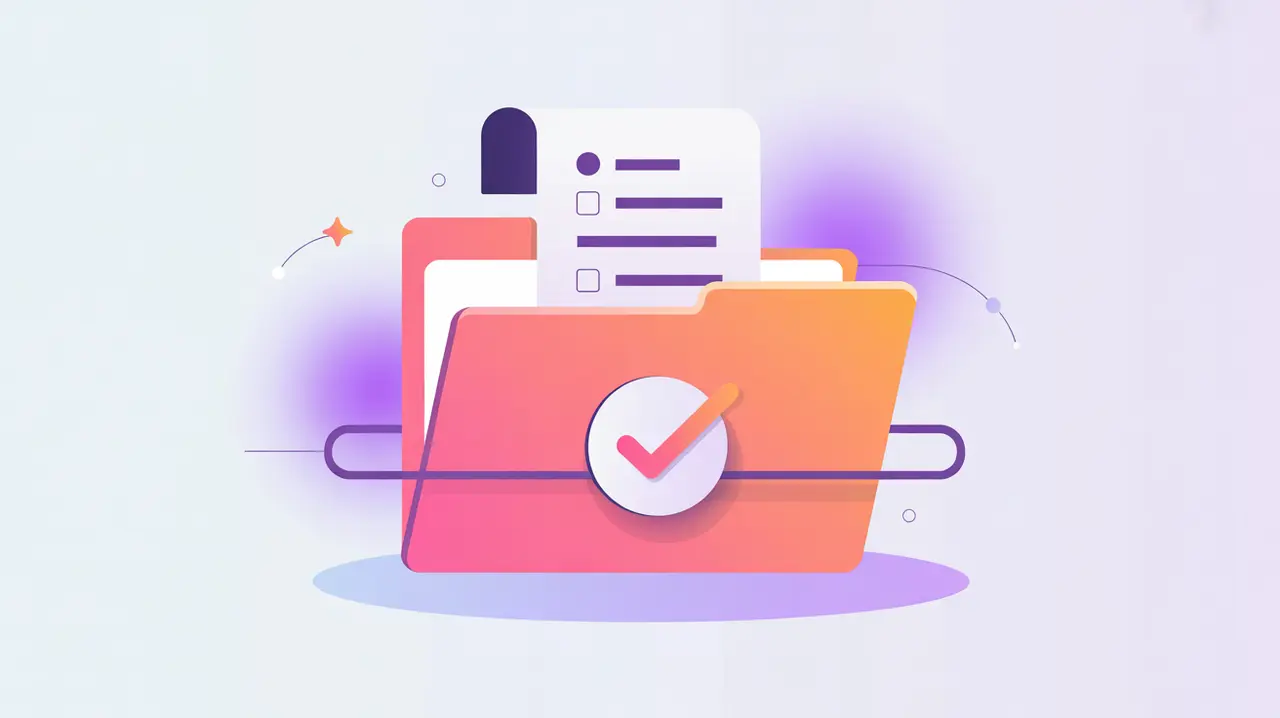
In practice, licensing agreements and consent protocols are integrated into data collection workflows. Platforms may present consent forms to users, while data repositories attach metadata specifying licensing terms. Consent can be explicit (active agreement) or implicit (participation under informed terms), though explicit consent is considered more ethical and secure. Licensing ensures downstream users understand their rights and obligations when applying data to AI systems.
Challenges include legal complexity across jurisdictions, vague or poorly enforced licenses, and the difficulty of securing meaningful consent when power imbalances exist. In some cases, communities may not fully understand how AI systems work, making informed consent difficult. Organizations must prioritize clarity, accessibility, and community engagement to make licensing and consent truly effective.
Implications for Social Innovators
Dataset licensing and consent directly affect mission-driven organizations. Health initiatives must ensure patients consent to data use for research or AI diagnostics. Education platforms must navigate licensing for open educational resources and protect student data. Humanitarian agencies must balance the need for open crisis data with respect for privacy and safety. Civil society groups benefit from clear licensing that supports data sharing while preventing misuse.
By embedding strong licensing and consent practices, organizations build trust, protect communities, and create the conditions for ethical and sustainable AI systems.