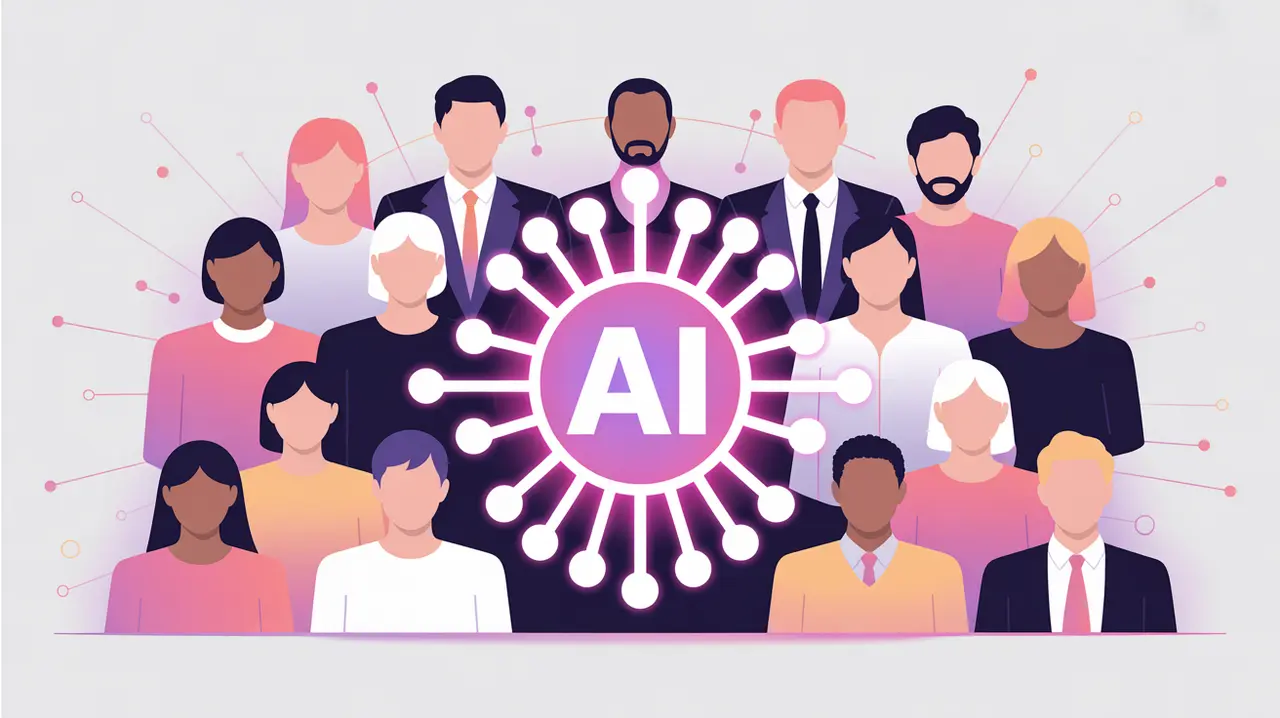
Importance of Organizational Culture and AI Readiness
Organizational Culture and AI Readiness describe how the values, practices, and norms within an organization shape its ability to adopt and use artificial intelligence effectively. AI readiness is not only about technical infrastructure but also about whether teams embrace experimentation, learning, and collaboration. Its importance today lies in the fact that many AI initiatives fail not because of technology but because organizations are unprepared culturally and structurally to adapt.
For social innovation and international development, AI readiness matters because mission-driven organizations must integrate technology without compromising trust, equity, or community focus.
Definition and Key Features
AI readiness frameworks often include dimensions such as leadership commitment, workforce skills, governance structures, and openness to change. Organizational culture plays a decisive role: cultures that value learning, transparency, and inclusivity are better positioned to adopt AI responsibly. Conversely, cultures that resist change or prioritize hierarchy may struggle to realize AI’s benefits.
This is not the same as digital transformation broadly, which may emphasize infrastructure and digitization. Nor is it equivalent to change management alone, which addresses processes but not underlying cultural values. AI readiness integrates technology, people, and organizational norms.
How this Works in Practice
In practice, AI readiness might involve creating cross-functional teams to experiment with new tools, embedding ethics reviews into project workflows, or fostering psychological safety so staff can question AI outputs. Organizational culture also shapes how failures are treated, whether as opportunities for learning or as setbacks to be hidden. Building readiness requires aligning incentives, investing in skills, and nurturing a culture of trust.
Challenges include resource limitations in nonprofits, donor-driven pressures for quick results, and cultural resistance to shifting workflows. Without deliberate effort, organizations risk “pilot paralysis,” where experiments fail to scale due to structural and cultural barriers.
Implications for Social Innovators
Organizational culture and AI readiness are critical for mission-driven sectors. Health programs must create cultures where clinicians trust AI diagnostics while retaining authority. Education initiatives must prepare schools and teachers for adaptive platforms through supportive environments. Humanitarian agencies must ensure field teams are comfortable with digital tools for crisis response. Civil society groups often advocate for cultural readiness as essential to ensuring AI adoption enhances, rather than undermines, organizational missions.
By cultivating cultures of openness, learning, and accountability, organizations strengthen their readiness to adopt AI in ways that are sustainable, ethical, and aligned with their core values.