Importance of AI Governance Operating Model
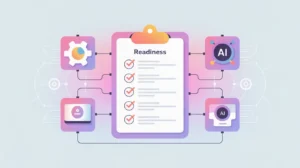
An AI Governance Operating Model defines the structures, processes, and roles through which organizations oversee the responsible development, deployment, and monitoring of AI systems. It translates broad principles of ethics and responsibility into day-to-day decision-making and accountability. Its importance today lies in the rapid integration of AI across sectors, where lack of governance can lead to risks such as bias, misuse, or harm.
For social innovation and international development, an operating model for AI governance matters because mission-driven organizations often deploy AI in sensitive contexts, from health to humanitarian response. A clear governance model ensures these tools are safe, inclusive, and aligned with organizational values.
Definition and Key Features
An AI governance operating model typically includes policy frameworks, risk assessment procedures, review boards, escalation paths, and monitoring mechanisms. It defines who is responsible for data stewardship, system oversight, and compliance with regulations. Global standards, such as the EU AI Act and OECD guidelines, increasingly inform these models.
It is not the same as AI ethics, which sets normative principles, nor is it equivalent to responsible AI frameworks, which outline aspirations. The operating model is the practical, organizational mechanism that ensures those values are implemented consistently.
How this Works in Practice
In practice, an AI governance operating model might establish a cross-functional AI oversight committee, assign data protection officers, and mandate bias audits before deployment. Organizations may adopt tiered risk classifications, with high-risk AI systems requiring more stringent review and sign-off. Continuous monitoring ensures that deployed models adapt safely to new conditions.
Challenges include ensuring that governance structures are proportionate and sufficiently robust to manage risk without stifling innovation. Smaller organizations may struggle to dedicate resources to governance, while larger ones risk fragmentation if roles and responsibilities are unclear.
Implications for Social Innovators
AI governance operating models are critical for mission-driven organizations. Health NGOs can use them to ensure diagnostic AI tools comply with ethical and regulatory standards. Education initiatives can govern AI tutors and learning platforms to prevent inequity or misuse. Humanitarian agencies can rely on governance models to balance the benefits of biometric identification with risks to vulnerable populations. Civil society organizations can model good governance practices to strengthen advocacy for global AI accountability.
By establishing structured governance models, organizations ensure AI systems are deployed with accountability, consistency, and alignment to their missions and values.