Importance of De Identification and Pseudonymization
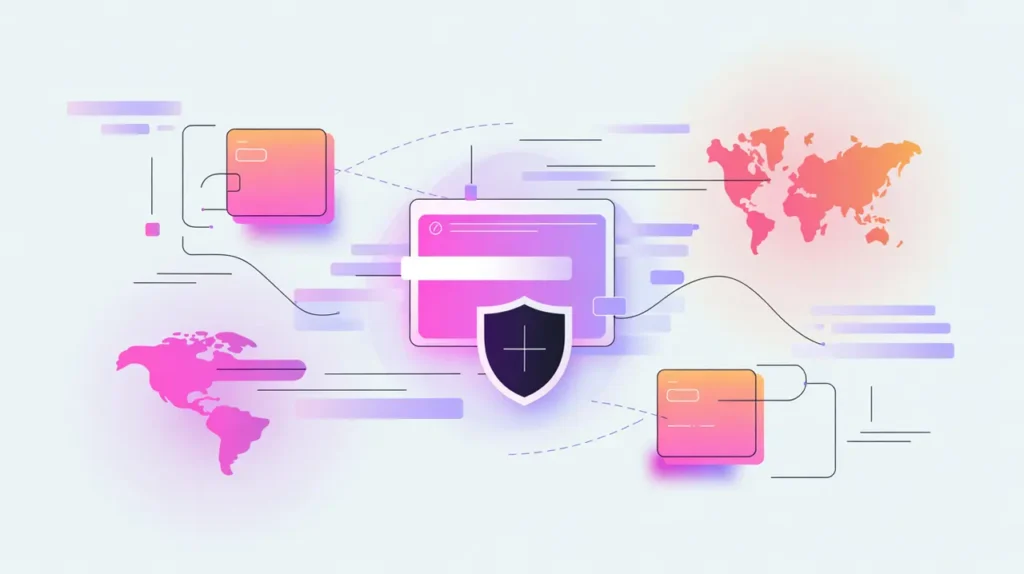
De-Identification and Pseudonymization are privacy-preserving techniques used to reduce the risk of exposing personal data in AI systems and data workflows. De-identification removes or alters direct identifiers (like names, addresses, or ID numbers), while pseudonymization replaces them with artificial identifiers that can be reversed under controlled conditions. Their importance today lies in enabling data sharing and analysis while safeguarding individual privacy.
For social innovation and international development, these practices matter because organizations often work with sensitive datasets (health records, school performance, or refugee registries) where protecting identities is critical to maintaining community trust.
Definition and Key Features
De-identification involves techniques such as masking, generalization, or suppression of identifiable fields. Pseudonymization substitutes identifiers with unique codes, which can be re-linked if needed under strict governance. Regulations like the EU’s GDPR distinguish between anonymization (irreversible) and pseudonymization (reversible under safeguards).
These are not the same as full anonymization, which permanently removes any possibility of re-identification, nor are they equivalent to encryption, which secures data but does not alter its identifying structure. De-identification and pseudonymization focus on reducing identifiability within datasets.
How this Works in Practice
In practice, de-identification might mean removing exact birth dates from a dataset, while pseudonymization could replace a patient’s ID number with a randomly generated code. AI systems then analyze the modified data, reducing the risk of exposing individuals if a breach occurs. Advanced risks, however, include re-identification through data linkage, where anonymized data is cross-referenced with other datasets.
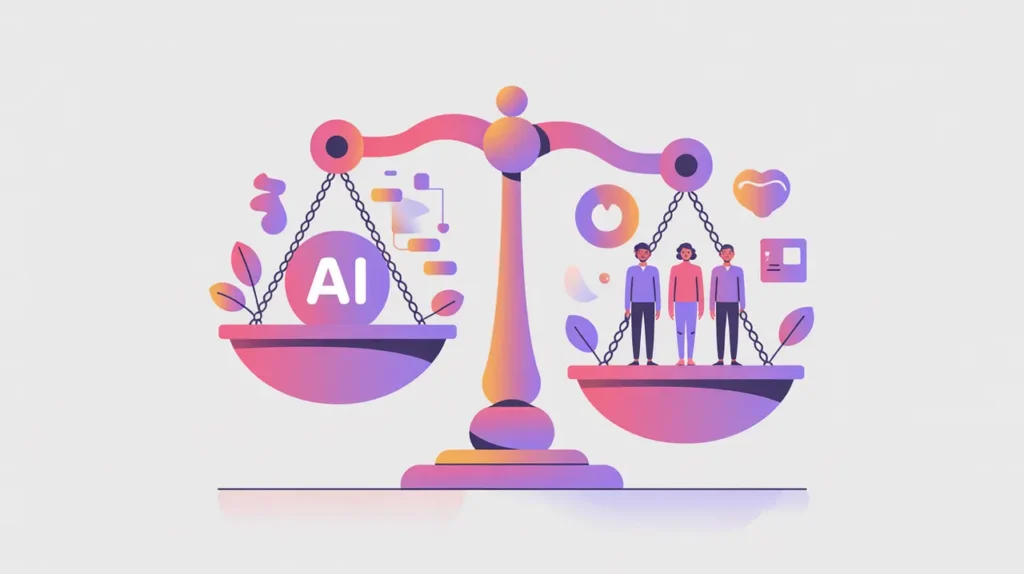
Challenges include the trade-off between data utility and privacy protection, as excessive de-identification can reduce dataset value. Governance is also crucial: pseudonymization requires strong controls over who can re-link identifiers, and re-identification attacks are increasingly sophisticated.
Implications for Social Innovators
De-identification and pseudonymization are vital in mission-driven sectors. Health programs rely on them to protect patients when sharing research data. Education initiatives use them to safeguard student records in analytics platforms. Humanitarian agencies apply them when publishing crisis data to prevent exposing vulnerable populations. Civil society groups advocate for their consistent use as part of responsible data governance frameworks.
By embedding de-identification and pseudonymization into data practices, organizations can responsibly unlock insights while protecting the dignity and safety of individuals.