Importance of AI Readiness Frameworks
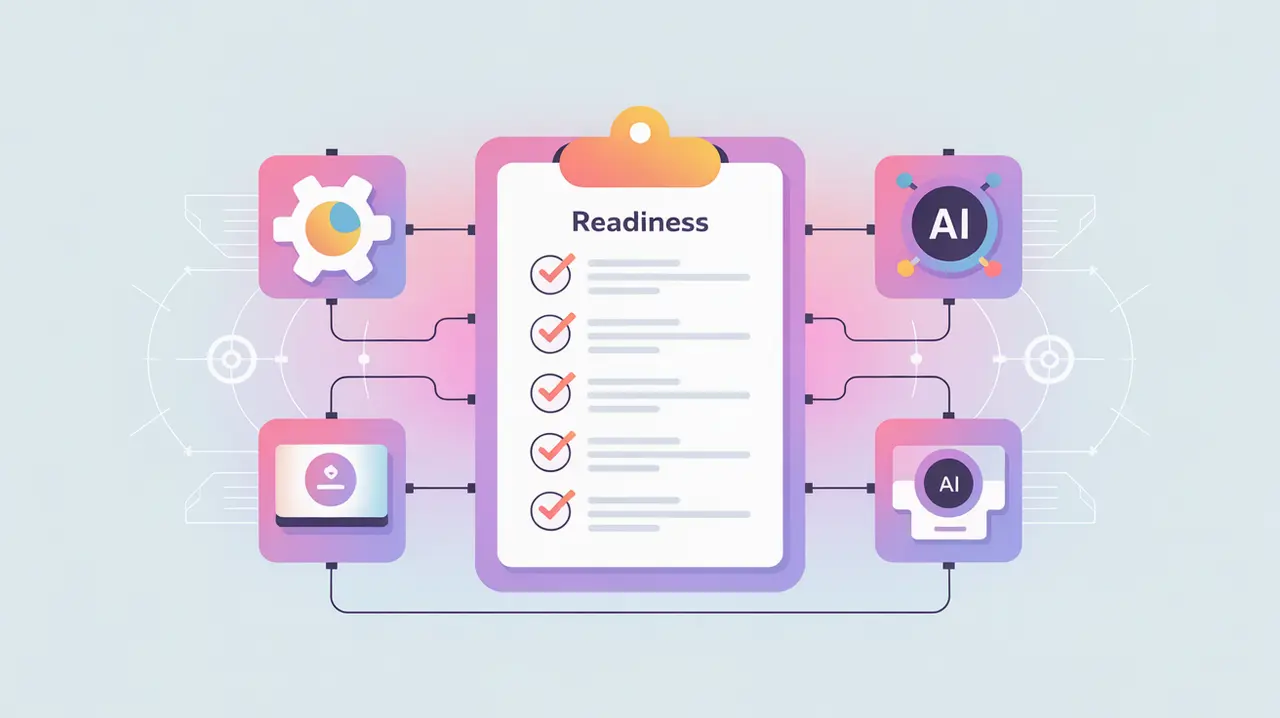
AI Readiness Frameworks are structured tools that assess whether an organization, sector, or government has the technical, human, and institutional capacities to adopt and benefit from artificial intelligence. They provide a roadmap for identifying strengths, gaps, and priorities before investing in AI systems. Their importance today lies in the fact that enthusiasm for AI adoption often outpaces preparedness, creating risks of wasted resources, inequitable outcomes, or harm.
For social innovation and international development, AI readiness frameworks matter because mission-driven organizations must ensure that AI is deployed responsibly and sustainably. They help align ambitions with capacity, ensuring technology supports impact rather than undermining it.
Definition and Key Features
AI readiness frameworks are published by governments, multilateral institutions, consulting firms, and research groups. Common dimensions include infrastructure (data, compute, connectivity), governance (laws, policies, ethics), human capital (skills, literacy), and institutional maturity (leadership, processes). Some frameworks are national in scope, while others target organizational or sectoral readiness.
They are not the same as digital readiness assessments, which focus more broadly on ICT adoption. Nor are they equivalent to AI maturity models, which evaluate depth of implementation after adoption. AI readiness frameworks are diagnostic tools for evaluating whether conditions for adoption exist.
How this Works in Practice
In practice, an AI readiness framework may guide a nonprofit in assessing its data quality, staff expertise, and governance before launching a machine learning project. Governments can use them to map sectoral readiness across health, education, or agriculture. Results often highlight gaps such as poor data standards, lack of technical staff, or absence of ethical guidelines.
Challenges include the diversity of contexts, for example frameworks developed in high-income settings may not translate well to low-resource environments. There is also a risk of treating readiness as a one-off exercise rather than a continuous process of capacity building.
Implications for Social Innovators
AI readiness frameworks support informed decision-making across mission-driven work. Health programs can assess readiness for diagnostic AI by reviewing data availability and clinical validation processes. Education initiatives can use frameworks to evaluate teacher preparedness and digital infrastructure. Humanitarian agencies can assess readiness for predictive analytics in crisis settings, identifying risks before deployment. Civil society groups can advocate for inclusive frameworks that reflect local realities and protect community rights.
By using AI readiness frameworks, organizations and governments can move from hype-driven adoption to thoughtful, mission-aligned strategies for AI deployment.