Importance of SMS and Messaging APIs
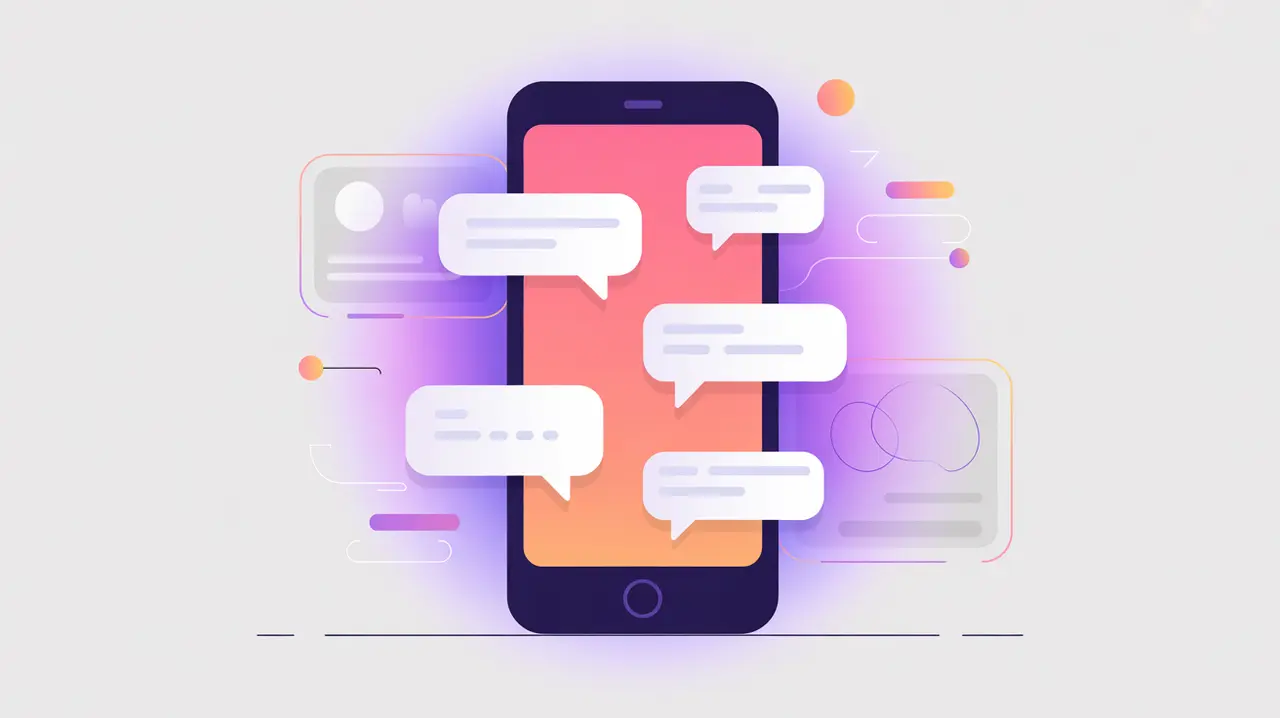
SMS and Messaging APIs are tools that enable organizations to send and receive text messages or other instant communications programmatically through software. They connect digital systems to mobile networks and messaging platforms, allowing scalable, automated, and integrated communication. Their importance today lies in the ubiquity of mobile phones and messaging apps, which remain the most direct and accessible way to reach people globally.
For social innovation and international development, SMS and messaging APIs matter because they provide reliable communication channels in regions with limited internet access. They allow mission-driven organizations to reach beneficiaries, volunteers, and partners quickly and effectively, even in resource-constrained or crisis contexts.
Definition and Key Features
Popular providers include Twilio, Africa’s Talking, Nexmo (Vonage), and WhatsApp Business API. These APIs integrate with platforms and applications to enable two-way messaging, bulk alerts, and automated workflows. They support SMS, MMS, and messaging services such as WhatsApp, Telegram, and Facebook Messenger.
They are not the same as standalone SMS marketing tools, which manage campaigns but lack flexible integration. Nor are they equivalent to full omni channel platforms, which unify multiple channels in one dashboard. Messaging APIs specifically provide programmatic access to mobile and chat services.
How this Works in Practice
In practice, organizations use SMS and messaging APIs to send appointment reminders, distribute learning content, deliver emergency alerts, and collect survey responses. Integration with CRMs and workflow automation platforms enables personalized and scalable engagement. Two-way communication allows users to interact, confirm, or provide feedback in real time.
Challenges include costs for large-scale messaging, varying regulations across countries, and risks of overuse that lead to message fatigue. Data protection and consent are critical, particularly when handling sensitive health or humanitarian information. Organizations must design messaging strategies that are both impactful and respectful.
Implications for Social Innovators
SMS and messaging APIs are powerful tools for mission-driven organizations. Health programs use them to remind patients of vaccinations or medication schedules. Education initiatives rely on them to deliver quizzes, learning resources, or attendance tracking. Humanitarian agencies deploy messaging APIs to provide crisis updates, safety information, or aid distribution alerts. Civil society groups can use them to mobilize communities, run advocacy campaigns, and gather grassroots feedback.
By leveraging SMS and messaging APIs, organizations can extend their reach into communities where internet-based tools may not work, ensuring inclusive and timely communication.