Importance of High Availability and Fault Tolerance
High Availability (HA) and Fault Tolerance (FT) are design principles that ensure systems remain operational even when components fail. High Availability minimizes downtime through redundancy, load balancing, and rapid recovery mechanisms. Fault Tolerance goes further by allowing systems to continue functioning seamlessly despite hardware or software failures. Their importance today lies in the fact that digital and AI systems are mission-critical, and interruptions can lead to loss of trust, missed opportunities, or even harm.
For social innovation and international development, HA and FT matter because organizations often serve communities in fragile or high-risk environments. Reliable systems are essential for health records, learning platforms, crisis reporting, and other services where downtime is not an option. By embedding resilience into infrastructure, organizations can deliver continuity of service under challenging conditions.
Definition and Key Features
High Availability focuses on reducing downtime through clustering, failover mechanisms, and redundancy. It is typically measured by “nines” of uptime, such as 99.9 percent availability. Fault Tolerance, on the other hand, requires systems to maintain uninterrupted service, often through real-time replication and error-handling mechanisms that make failures invisible to users.
They are not the same as backups and disaster recovery, which focus on restoring systems after disruption. Nor are they equivalent to performance optimization, which improves speed but does not guarantee continuity. HA and FT are proactive design strategies aimed at keeping systems running without interruption.
How this Works in Practice
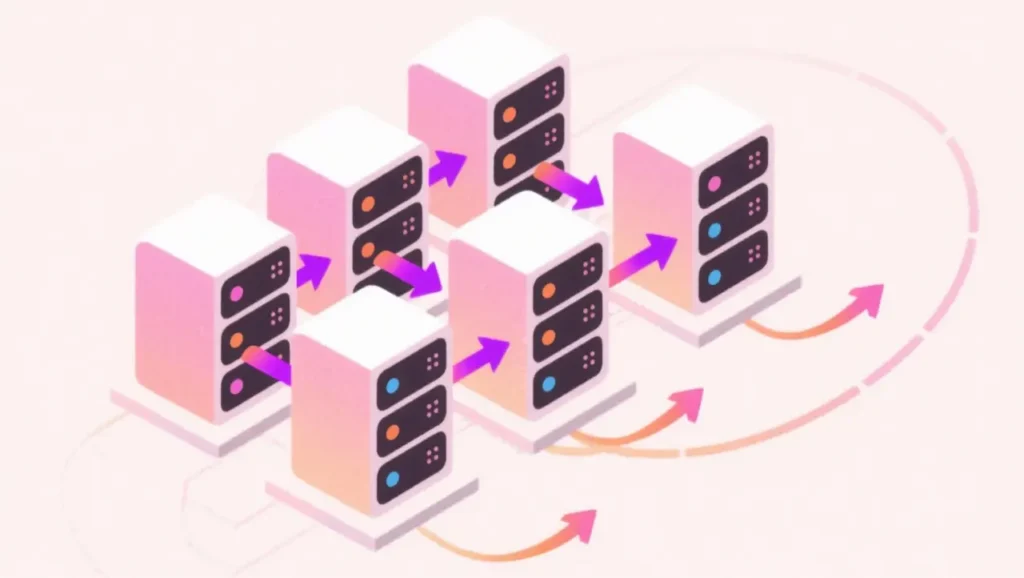
In practice, HA can be achieved with redundant servers, clustered databases, and load balancers that reroute traffic automatically when one node fails. Fault Tolerant systems employ real-time replication, error correction, and hardware or software redundancy so that even if one component stops working, the system as a whole continues seamlessly. Cloud providers often offer built-in HA and FT features, making them more accessible to smaller organizations.
Challenges include cost, complexity, and the need to balance resilience with efficiency. Overengineering for fault tolerance can be expensive, while underinvestment risks service outages. Organizations must assess which systems require full fault tolerance versus those where high availability is sufficient.
Implications for Social Innovators
HA and FT are vital in mission-driven contexts. Health systems rely on highly available infrastructure to ensure patient data and telemedicine platforms remain accessible around the clock. Education initiatives depend on resilient systems to keep online classrooms functioning without interruption. Humanitarian agencies require fault-tolerant platforms during crises, where downtime could delay life-saving responses.
By building resilience into digital systems, high availability and fault tolerance enable organizations to deliver consistent, trustworthy services even in the most unpredictable environments.