Importance of Social License to Operate
Social License to Operate (SLO) refers to the informal acceptance and trust granted by communities and stakeholders that allows organizations to pursue their activities beyond legal or regulatory approval. In the context of AI and digital systems, SLO reflects whether people believe a technology is legitimate, fair, and beneficial. Its importance today lies in the fact that compliance with law alone does not guarantee trust. Communities increasingly demand transparency, accountability, and responsiveness.
For social innovation and international development, SLO matters because mission-driven organizations depend on trust to operate effectively in sensitive contexts. Without it, even well-designed technologies can face resistance or rejection.
Definition and Key Features
The concept of SLO originated in the natural resource sector, where mining and energy companies recognized the need for community acceptance. It has since been applied more broadly to industries where social trust is essential. In digital contexts, it is tied to transparency, fairness, inclusion, and responsiveness to community concerns.
SLO is not the same as regulatory compliance, which ensures organizations meet legal requirements. Nor is it equivalent to corporate reputation, which can be managed through branding. Social license depends on sustained legitimacy, credibility, and trustworthiness in the eyes of stakeholders.
How this Works in Practice
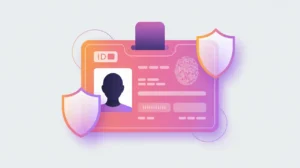
In practice, securing a social license for AI may involve engaging communities in design processes, publishing algorithmic impact assessments, or creating grievance mechanisms for those affected by technology. For example, an NGO deploying biometric ID systems in humanitarian aid must secure community trust that data will not be misused. Failure to do so risks rejection, protests, or reputational damage.
Challenges include cultural and contextual differences in what communities consider legitimate, power imbalances that limit genuine participation, and the fragility of trust, which can be quickly lost and difficult to regain.
Implications for Social Innovators
Social license to operate directly influences mission-driven work. Health programs must build patient trust before deploying diagnostic AI or telemedicine platforms. Education initiatives must engage teachers, parents, and students to ensure adaptive learning systems are accepted and trusted. Humanitarian agencies must secure social license before using digital ID or cash distribution platforms in crisis contexts. Civil society groups often act as watchdogs, voicing concerns when technologies lack legitimacy.
By prioritizing social license to operate, organizations demonstrate respect for communities, ensuring AI and digital systems are accepted, trusted, and sustained over time.