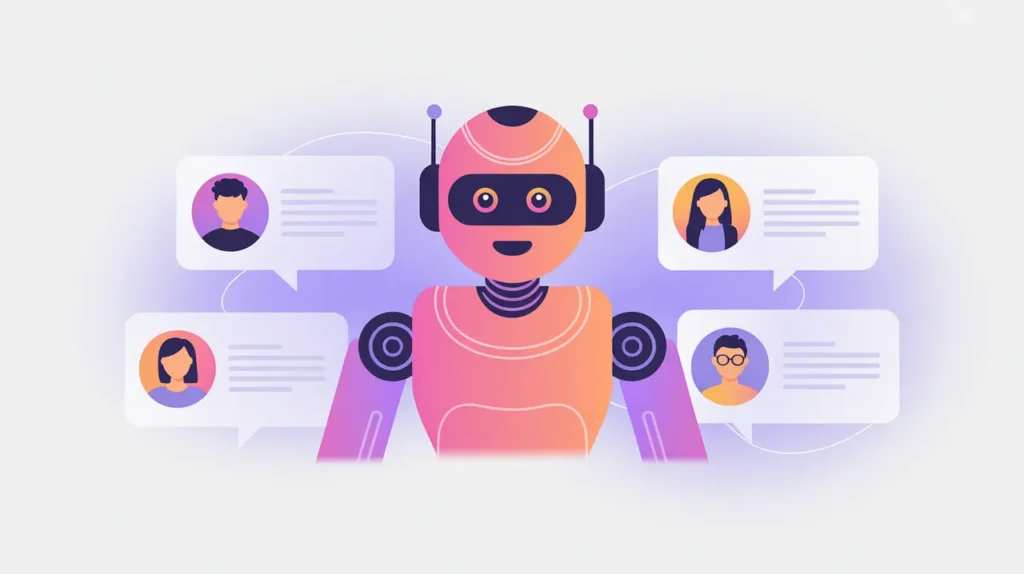
Importance of Misinformation and Content Integrity Tools
Misinformation and Content Integrity Tools are technologies designed to detect, flag, and reduce the spread of false or misleading information online. They use fact-checking databases, machine learning models, and content moderation systems to identify harmful narratives. Their importance today lies in the rapid spread of misinformation on social media and digital platforms, which can undermine trust, fuel polarization, and endanger public health and safety.
For social innovation and international development, these tools matter because misinformation disproportionately harms vulnerable communities. Whether in health campaigns, elections, or humanitarian crises, ensuring content integrity helps mission-driven organizations protect communities and strengthen democratic resilience.
Definition and Key Features
Content integrity tools combine natural language processing, image and video analysis, and cross-referencing with verified data sources. Platforms such as ClaimReview, Full Fact, and Google’s Fact Check Tools support human fact-checkers with automated workflows. Social media companies also deploy integrity systems to reduce the reach of harmful content.
They are not the same as censorship systems, which suppress speech. Nor are they equivalent to general content moderation, which may focus on spam or offensive material. Misinformation and integrity tools are specifically designed to preserve truth, accuracy, and trust in public information.
How this Works in Practice
In practice, these tools scan text, images, and video for signs of manipulation or inconsistency. AI models can detect deepfakes, identify coordinated bot activity, or highlight unverified claims. Fact-checking platforms work with journalists and NGOs to validate information and publish corrections. Some tools also educate users by providing context or linking to reliable sources.
Challenges include the difficulty of balancing free expression with accuracy, the risk of bias in detection systems, and the adaptability of malicious actors who create new forms of misinformation. Building community trust is essential, since tools must be transparent and accountable to avoid accusations of partiality.
Implications for Social Innovators
Misinformation and content integrity tools are critical for mission-driven organizations. Health programs rely on them to counter vaccine misinformation and promote evidence-based practices. Education initiatives can teach digital literacy by embedding fact-checking tools into curricula. Humanitarian agencies use them to prevent panic or false narratives during crises. Civil society groups apply them to safeguard elections, strengthen accountability, and advocate for truth in public discourse.
By defending against misinformation, these tools help organizations maintain trust, protect communities, and ensure that reliable information guides decision-making.