Importance of Campaign Personalization
Campaign Personalization refers to tailoring outreach, fundraising, or advocacy campaigns to specific audiences based on their interests, behaviors, and needs. It uses data analytics and AI to customize messages, timing, and channels so that each supporter or beneficiary receives communication that feels relevant and engaging. Its importance today lies in cutting through information overload and building stronger connections with individuals and communities.
For social innovation and international development, campaign personalization matters because mission-driven organizations must mobilize resources and awareness in crowded attention markets. Personalized campaigns improve response rates, reduce donor fatigue, and ensure that advocacy resonates with diverse audiences.
Definition and Key Features
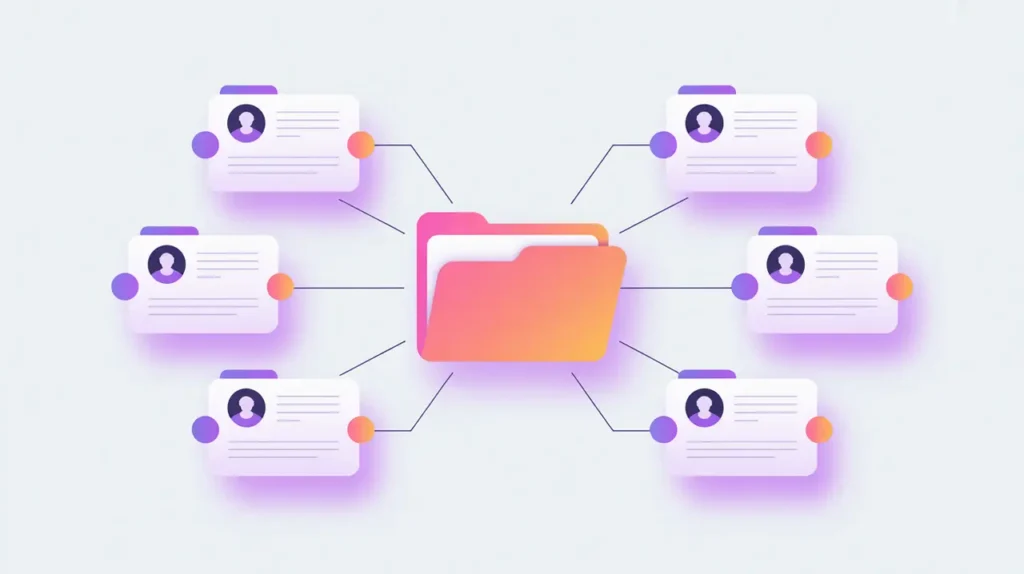
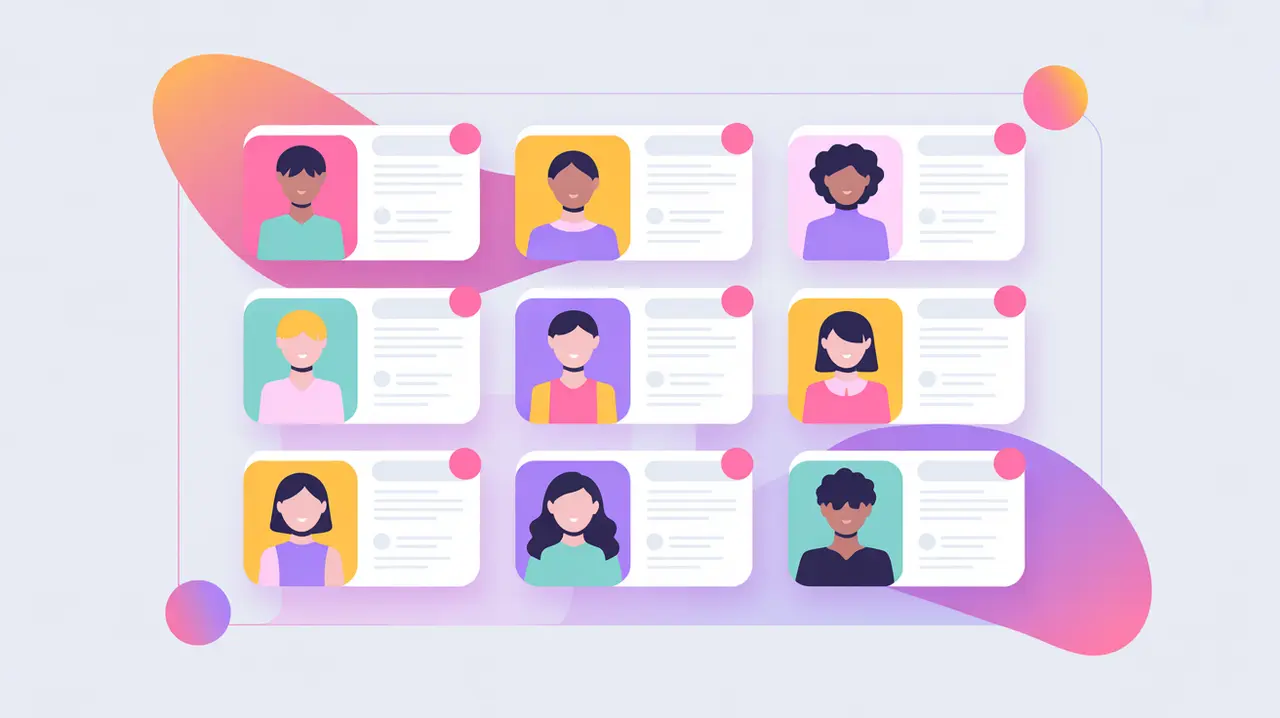
Campaign personalization involves segmenting audiences, creating tailored content, and delivering it through preferred channels such as email, SMS, or social media. AI tools enhance this process by analyzing supporter behavior, predicting preferences, and automating dynamic content. Personalization can operate at different levels, both group-based (e.g., student alumni) and individual-based (e.g., personalized giving appeals).
It is not the same as generic mass marketing, which delivers uniform messages. Nor is it equivalent to basic segmentation alone, which groups audiences but does not adapt content dynamically. Campaign personalization integrates real-time insights to make outreach more meaningful.
How this Works in Practice
In practice, personalization can adjust subject lines in emails, recommend donation amounts, or tailor advocacy messages to align with supporter interests. Tools integrate with CRMs and digital platforms to automate content selection and timing. For example, a donor who frequently supports education causes may receive tailored appeals for scholarships, while another interested in health may see campaigns for vaccination drives.
Challenges include balancing personalization with privacy, ensuring transparency about how data is used, and avoiding over-automation that makes communication feel impersonal. Ethical frameworks are needed to prevent manipulation and maintain trust.
Implications for Social Innovators
Campaign personalization enhances the reach and impact of mission-driven organizations. Health initiatives can personalize messages encouraging patients to attend screenings or adopt healthier behaviors. Education programs can tailor fundraising appeals to alumni based on past engagement. Humanitarian agencies can adjust appeals for crisis support depending on donors’ regional or thematic interests. Civil society groups can mobilize communities by sending advocacy calls to action that reflect local priorities.
By personalizing campaigns thoughtfully, organizations deepen engagement, improve outcomes, and strengthen trust with the communities and supporters they serve.