Importance of SAML
SAML (Security Assertion Markup Language) is an open standard that enables secure exchange of authentication and authorization data between parties, typically an identity provider and a service provider. Its importance today lies in its ability to support Single Sign-On (SSO) across different systems, allowing users to log in once and gain access to multiple applications securely. By reducing password fatigue and improving interoperability, SAML has become a widely adopted standard in enterprise and government systems.
For social innovation and international development, SAML matters because organizations often use diverse platforms from different vendors. Securely connecting them with SAML allows staff, partners, and communities to access tools easily without juggling multiple credentials, while ensuring sensitive data remains protected.
Definition and Key Features
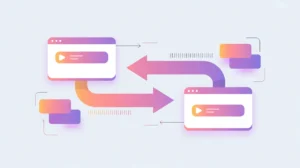
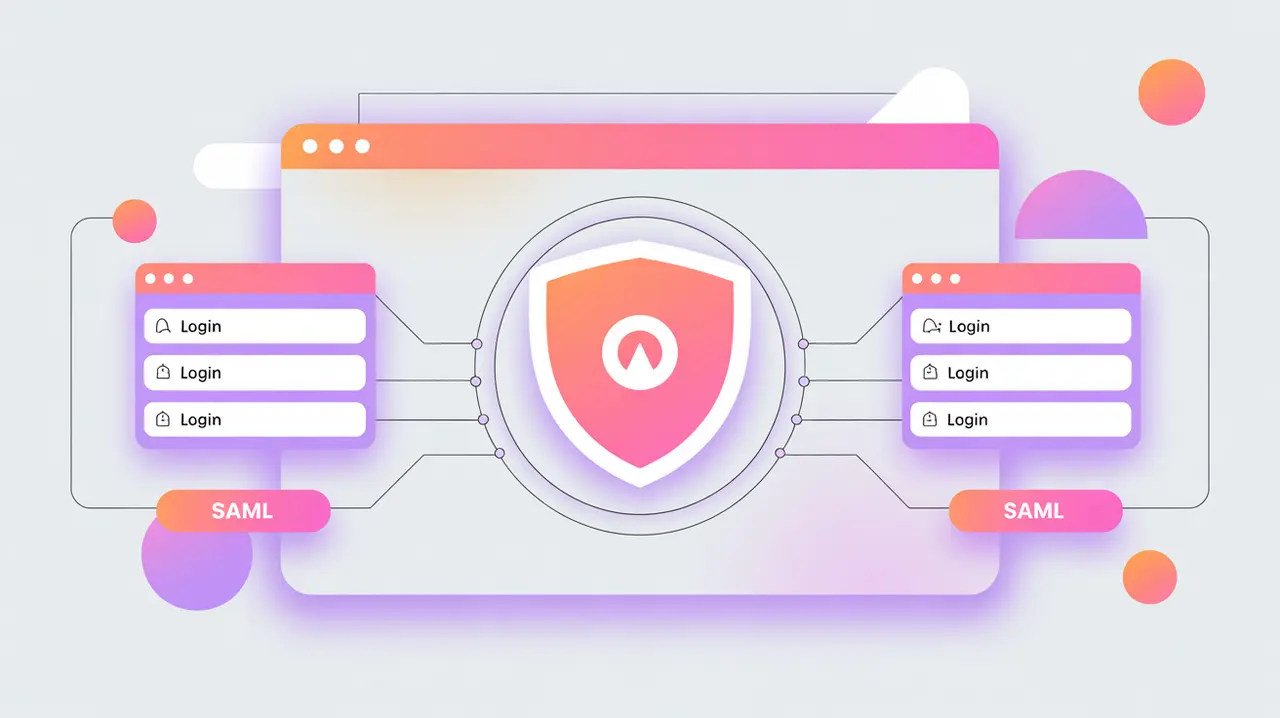
SAML uses XML-based messages to transmit authentication assertions. When a user attempts to access a service, the service provider requests authentication from the identity provider. The identity provider verifies the user’s credentials and sends a signed assertion back, granting access. This federated identity model separates identity management from application access, increasing both flexibility and security.
SAML is not the same as OAuth, which primarily focuses on delegated authorization. Nor is it equivalent to OpenID Connect, which provides a lightweight identity layer on top of OAuth. SAML is best suited for enterprise-scale Single Sign-On, where strong authentication and interoperability between multiple services are required.
How this Works in Practice
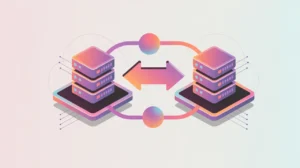
In practice, SAML is implemented through identity providers such as Okta, Azure AD, or Shibboleth, and service providers such as cloud applications or internal platforms. Administrators configure trust relationships through metadata exchanges and digital certificates, ensuring that assertions are signed and validated. This setup allows organizations to centralize authentication while distributing access securely across many services.
Challenges include complexity of implementation, reliance on XML (which can be verbose), and less flexibility compared to newer standards. Despite these limitations, SAML remains widely used, especially in sectors where stability, legacy compatibility, and compliance are important.
Implications for Social Innovators
SAML provides mission-driven organizations with a way to unify access across multiple systems while strengthening security. Health agencies can implement SAML to let clinicians log in once and securely access patient record systems, diagnostic tools, and research databases. Education institutions can use it to connect learning management systems, digital libraries, and assessment platforms. Humanitarian organizations can adopt SAML to grant partners controlled access to crisis coordination platforms without proliferating passwords.
By enabling secure Single Sign-On, SAML reduces friction, increases trust, and allows organizations to focus on their mission rather than managing fragmented credentials.