Importance of Fundraising Optimization and Donor Segmentation
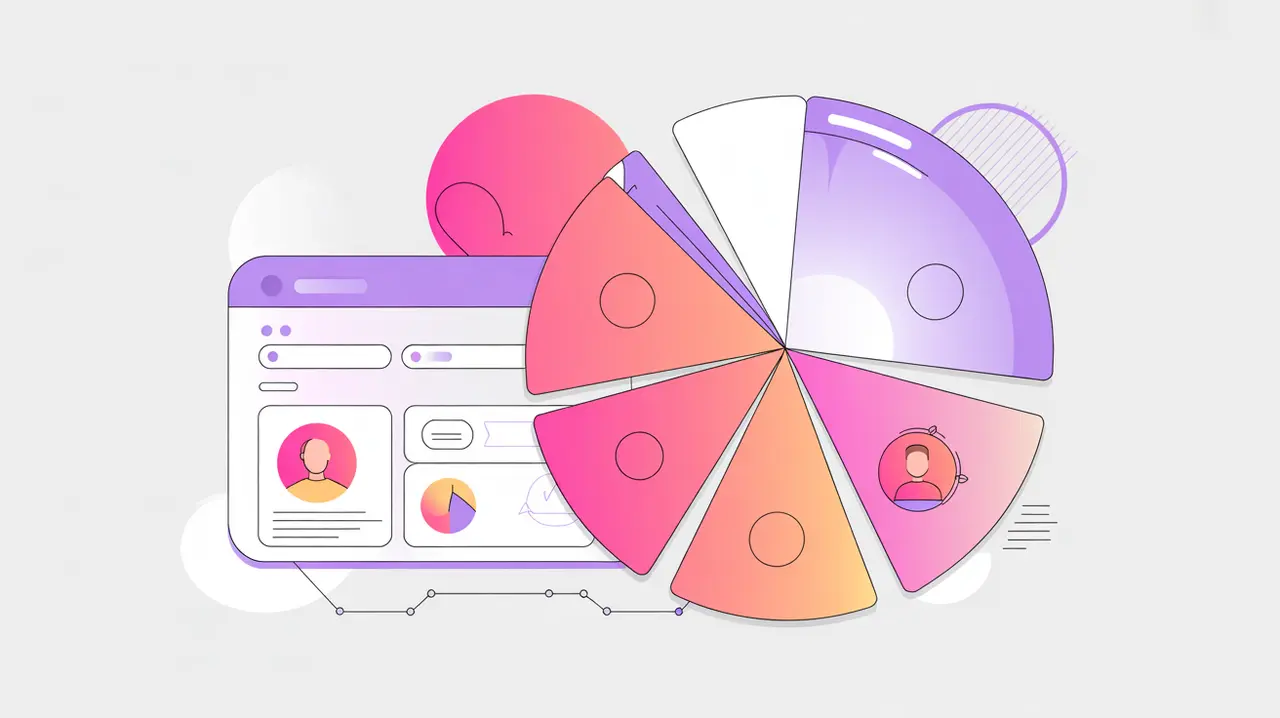
Fundraising Optimization and Donor Segmentation use data analytics and AI to improve how organizations engage supporters and secure financial resources. Optimization focuses on identifying the most effective channels, messages, and timing for appeals, while segmentation divides donors into meaningful groups based on behavior, demographics, or interests. Their importance today lies in helping organizations maximize limited fundraising capacity in an increasingly competitive philanthropic environment.
For social innovation and international development, these applications matter because mission-driven organizations depend on sustainable funding. Smarter fundraising strategies allow them to reach the right donors with the right messages, reduce costs, and strengthen long-term relationships that fuel their missions.
Definition and Key Features
Donor segmentation traditionally relies on criteria such as giving frequency, amount, and recency. Modern approaches incorporate machine learning to predict donor lifetime value, churn risk, and preferred engagement channels. Optimization techniques test and refine appeals, adjusting based on real-time response data. AI tools also enable personalization at scale, tailoring emails, social media outreach, and event invitations.
These are not the same as general marketing tools, which may lack nonprofit-specific functions. Nor are they equivalent to simple donor databases, which store information but do not generate predictive insights. Fundraising optimization and segmentation add an analytical layer that informs strategy and decision-making.
How this Works in Practice
In practice, organizations use CRM-integrated AI tools to analyze donor histories, cluster supporters into meaningful segments, and test fundraising messages. A campaign might target small but loyal donors with opportunities for monthly giving, while engaging high-capacity donors through personalized outreach. A/B testing, predictive analytics, and channel optimization (email, SMS, direct mail, social media) increase efficiency and reduce donor fatigue.
Challenges include ensuring data quality, protecting donor privacy, and avoiding over-segmentation that complicates communication strategies. Ethical considerations are vital. Organizations must balance personalization with transparency and respect for donor autonomy.
Implications for Social Innovators
Fundraising optimization and donor segmentation have direct impact on mission-driven organizations. Health nonprofits can target donor segments to sustain vaccination campaigns. Education programs can cultivate alumni giving communities with personalized appeals. Humanitarian agencies can identify recurring donor segments to support rapid crisis responses. Civil society groups can strengthen grassroots fundraising by tailoring messages to supporter interests and values.
By combining optimization with thoughtful segmentation, organizations improve fundraising outcomes while building stronger, more trusted relationships with their donor communities.