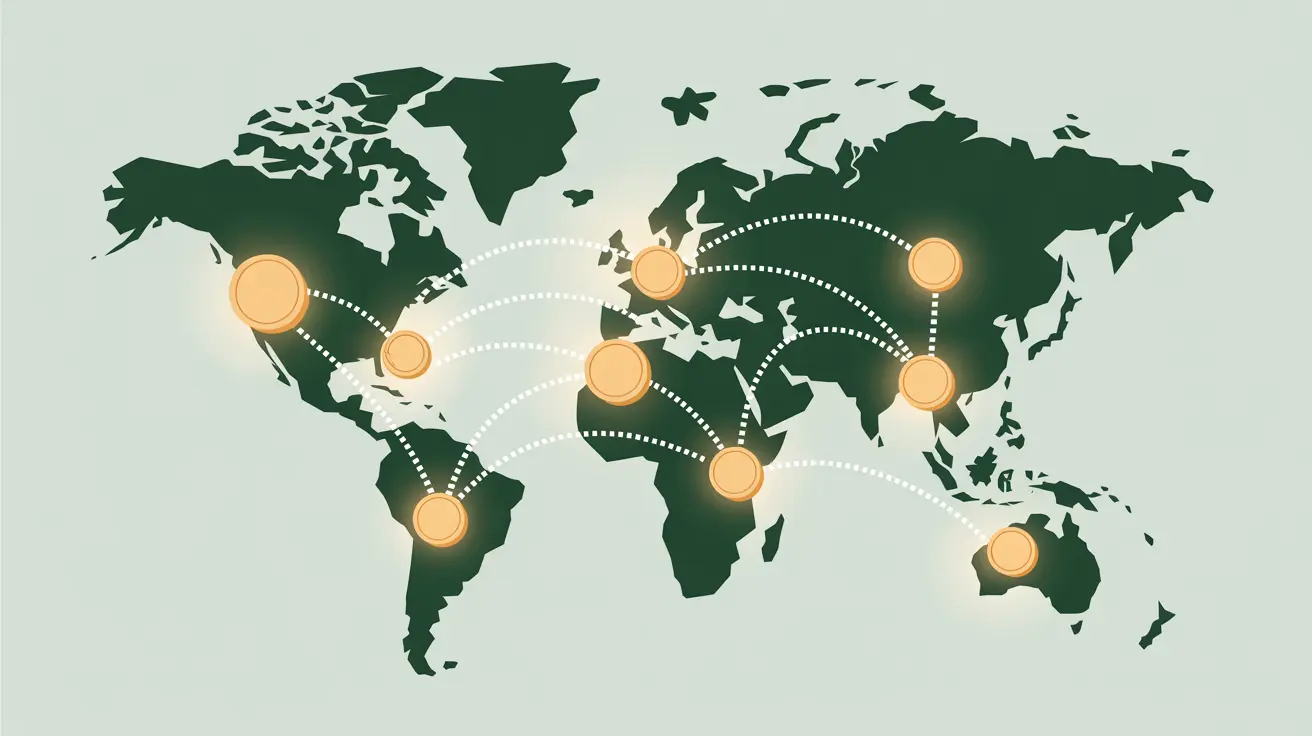
Importance of Diaspora Donors
Diaspora donors bring both financial resources and strong emotional ties to their countries or communities of origin. This matters because diaspora giving often combines philanthropy with a sense of identity, solidarity, and responsibility. For nonprofits in social innovation and international development, diaspora donors can be pivotal in mobilizing resources for education, healthcare, and development projects while also serving as advocates and connectors across borders. Boards and fundraising teams value diaspora donors because they can provide consistent support, foster community trust, and amplify global visibility.
Definition and Features
Diaspora donors are defined as individuals or networks living outside their country of origin who contribute financial or in-kind resources to causes linked to their heritage. Key features include:
- Cultural Connection: motivated by loyalty, identity, and community belonging.
- Forms of Giving: remittances, philanthropy, pooled community funds, or formal partnerships.
- Collective Structures: often organized through diaspora associations, foundations, or giving circles.
- Dual Benefit: strengthens both local communities abroad and development in home countries.
Diaspora donors differ from other individual donors by anchoring their giving in transnational ties and community identity.
How This Works in Practice
In practice, nonprofits engage diaspora donors through targeted campaigns, events, and cultural networks. For example, a health nonprofit may partner with a diaspora association in the U.S. to raise $200,000 for maternal health initiatives in Nigeria. Some organizations create “diaspora giving circles” where pooled resources fund scholarships or community projects. Fundraising teams often collaborate with diaspora leaders to build trust and align programs with culturally resonant priorities. Boards may view diaspora giving as an entry point to larger donor communities or policy advocacy networks.
Implications for Social Innovation
For nonprofits in social innovation and international development, diaspora donors represent a bridge between global resources and local needs. Transparent reporting reduces information asymmetry by showing how contributions directly benefit home communities while honoring donor intent. Donors appreciate culturally sensitive engagement and clear evidence of impact. When cultivated strategically, diaspora donors can strengthen financial sustainability, expand advocacy reach, and foster systemic change by mobilizing transnational networks committed to development and justice.