Importance of Line-Item Budget
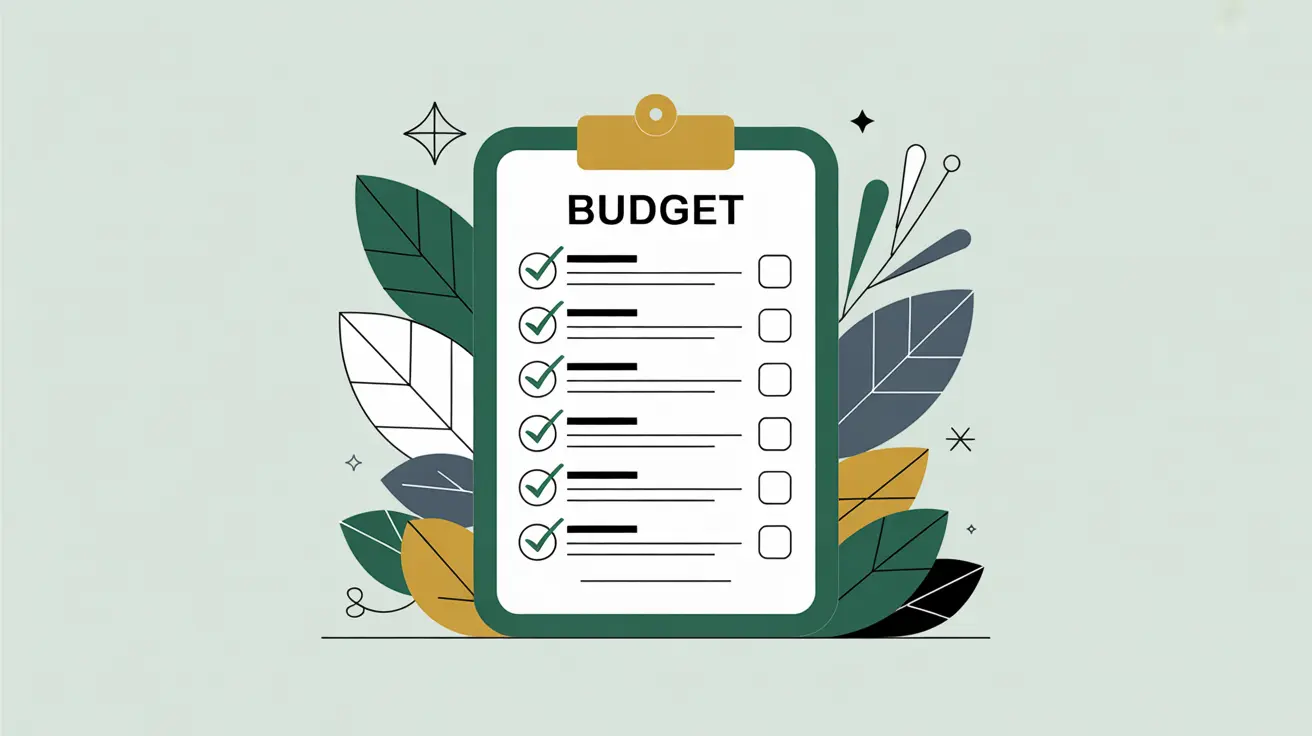
Line-item budgets provide nonprofits with a detailed financial framework that breaks down expenses into specific categories. This structure matters because it gives boards, funders, and managers a clear picture of where resources are allocated and enables close monitoring of spending. For nonprofits in social innovation and international development, line-item budgets are especially valuable for compliance with grant requirements, since they show precisely how donor funds will be used. They promote financial discipline, ensure transparency, and make it easier to track variances. However, they can also limit flexibility if used too rigidly without complementary performance measures.
Definition and Features
A line-item budget is defined as a financial plan that presents revenues and expenses organized by discrete cost categories. Key features include:
- Expense Categories: personnel, travel, supplies, equipment, subgrants, consultants, and indirect costs.
- Account Alignment: mapping to the chart of accounts for audit and reporting purposes.
- Granularity: detailed breakdowns that allow tracking at the level of individual budget lines.
- Audit-Ready Structure: supports compliance with donor templates and government regulations.
Line-item budgets differ from program or activity-based budgets in that they focus on what funds are spent on, rather than what outcomes or activities those funds achieve.
How This Works in Practice
In practice, nonprofits use line-item budgets when applying for grants, preparing annual plans, or managing restricted funds. For example, a $500,000 grant for an education program might allocate $300,000 to personnel, $50,000 to supplies, $100,000 to travel, and $50,000 to monitoring and evaluation. Finance teams code actual expenses against these categories, generating reports to compare budgeted versus actual spending. When variances appear, adjustments may require donor approval, especially if shifting funds between major categories. Boards and finance committees review line-item budgets to ensure expenditures align with both mission priorities and donor expectations.
Implications for Social Innovation
For nonprofits in social innovation and international development, line-item budgets strengthen accountability and reduce information asymmetry by showing exactly how resources are allocated. They help funders trust that their contributions are managed responsibly and enable organizations to demonstrate the real costs of program delivery. At the same time, an exclusive reliance on line-item budgets can constrain flexibility and innovation. To avoid this, many organizations supplement them with activity-based or results-based budgeting. By combining detail with strategy, nonprofits can use line-item budgets as a tool for both compliance and adaptive management, supporting mission impact while maintaining financial credibility.