Importance of Public Transit
Public transit is essential for mobility, accessibility, and economic participation in both urban and rural contexts. It reduces dependence on private vehicles, lowers traffic congestion, and cuts greenhouse gas emissions. In international development, public transit plays a key role in improving access to jobs, education, and healthcare, particularly for low-income and marginalized groups. For nonprofits and social innovators, it matters because safe, reliable, and affordable transport is fundamental to inclusion, equity, and sustainability. Its importance lies in connecting people to opportunities while reducing environmental and social costs.
Definition and Features
Public transit refers to shared transportation systems provided for public use, typically managed by governments or regulated operators. Its defining features include:
- Accessibility: designed to serve large numbers of people across diverse locations.
- Affordability: offering lower-cost alternatives to private transport.
- Efficiency: moving people more sustainably and with less congestion.
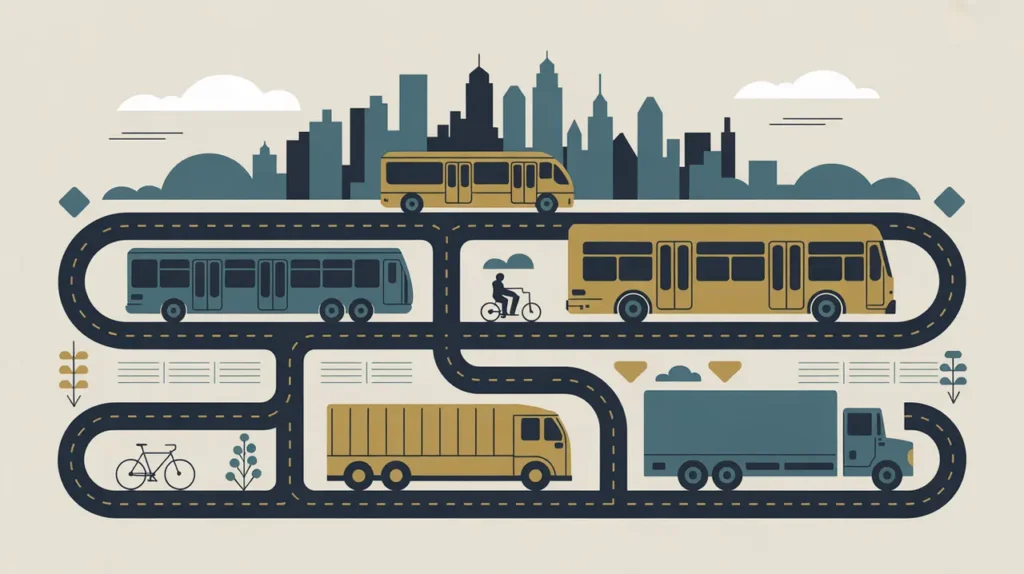
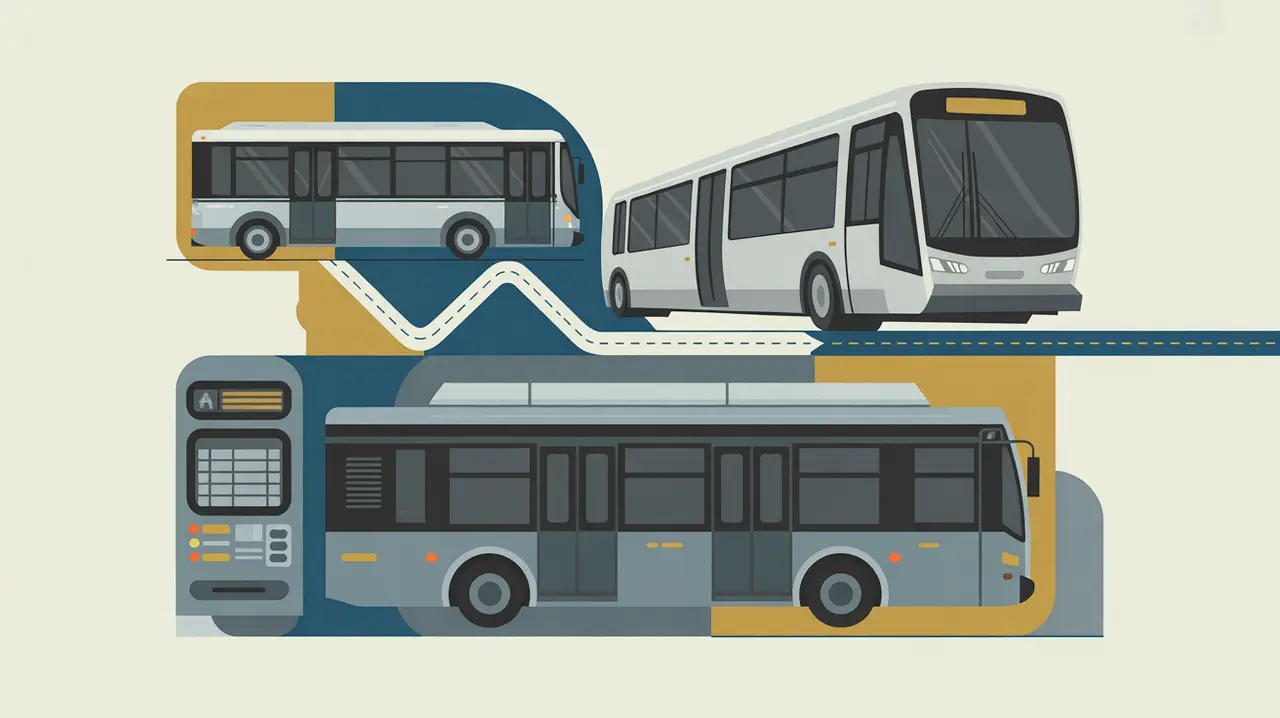
- Modal Diversity: including buses, trains, trams, ferries, and rapid transit systems.
How this Works in Practice
In practice, public transit systems are developed and managed by municipal or national governments, often with private sector or donor partnerships. For example, bus rapid transit (BRT) systems have expanded access in many developing cities, while rural transport initiatives connect isolated communities to markets and services. NGOs may advocate for inclusive transport planning or support services tailored to women, youth, and people with disabilities. Challenges include underfunding, poor maintenance, overcrowding, and safety concerns.
Implications for Social Innovation
Public transit has significant implications for social innovation because it directly shapes urban planning, sustainability, and social inclusion. Innovations such as digital ticketing, smart mobility platforms, and green transport technologies improve efficiency and equity. For proximate actors, accessible public transit opens opportunities for education, work, and participation in community life. Public transit is essential for building sustainable, inclusive, and connected societies.