Importance of Building Materials
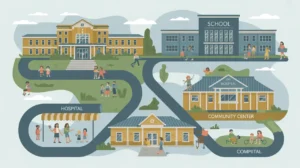
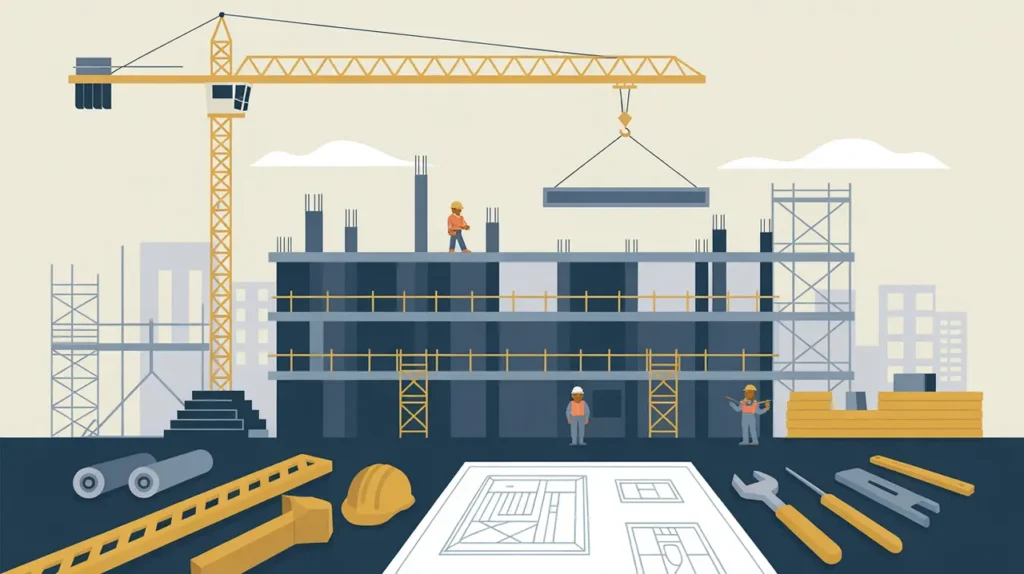
Building materials are fundamental to infrastructure, housing, and community development. In international development, they directly influence the affordability, safety, and sustainability of construction projects. For nonprofits and social innovators, building materials determine whether schools, clinics, and homes can be built cost-effectively, withstand environmental shocks, and meet cultural expectations. As climate change and rapid urbanization reshape demand, the importance of building materials extends to reducing carbon footprints and enabling resilient, inclusive growth.
Definition and Features
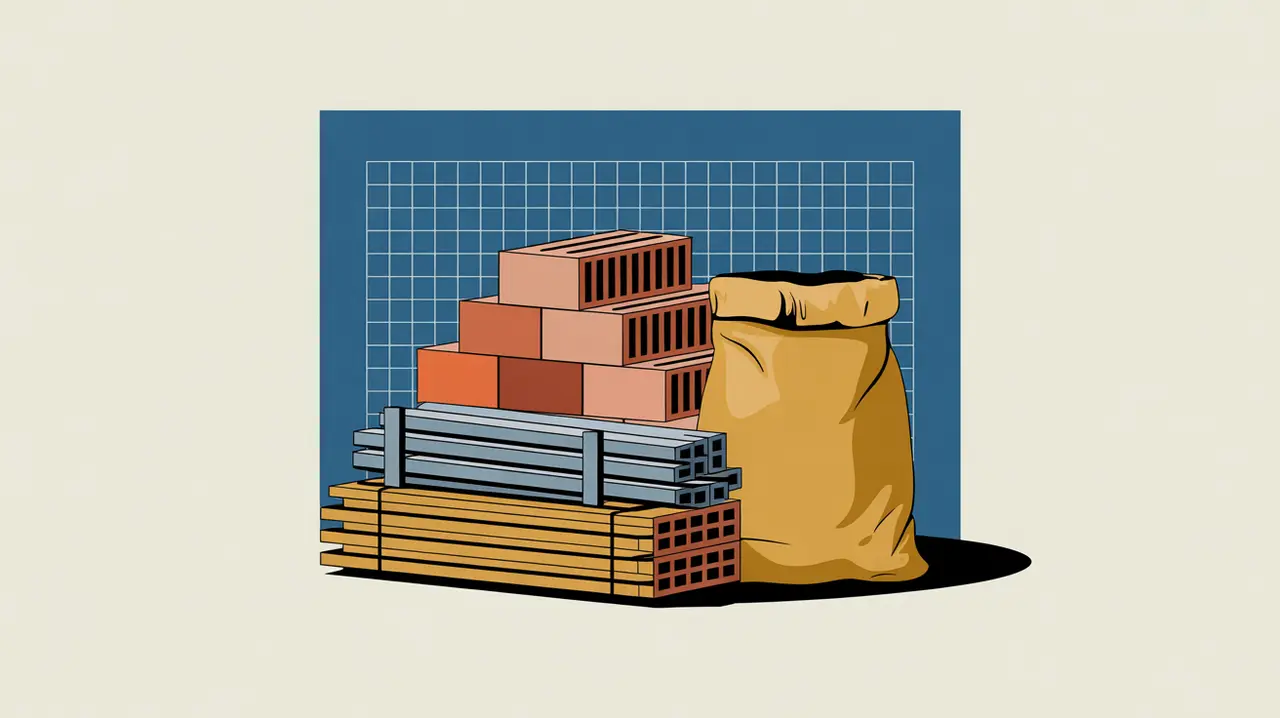
Building materials refer to the physical substances used in construction, ranging from traditional resources like wood and clay to industrial products like cement, steel, and glass. Their defining features include:
- Availability: reliance on local vs. imported supply chains.
- Durability: strength, resilience, and ability to withstand environmental pressures.
- Cost: affordability for individuals, communities, and governments.
- Sustainability: environmental impact, including embodied carbon and recyclability.
How this Works in Practice
In practice, the choice of building materials depends on geography, culture, and resources. In rural areas, nonprofits may promote the use of compressed earth blocks or bamboo to reduce costs and environmental impact. In urban development projects, concrete and steel remain dominant despite their high carbon footprint. Innovations such as recycled plastics, green cement, or modular prefabricated components are being introduced to improve efficiency and sustainability. Barriers include high costs of sustainable alternatives, lack of technical capacity, and entrenched building codes favoring conventional materials.
Implications for Social Innovation
Building materials are not just technical inputs; they shape social and environmental outcomes. Choosing sustainable, locally sourced materials can stimulate community economies, reduce dependency on imports, and lower emissions. For proximate actors, innovation in this field offers opportunities to reimagine housing, health facilities, and schools in ways that are affordable, climate-smart, and culturally relevant. At scale, advancing sustainable building materials can accelerate progress toward resilient infrastructure, equitable urbanization, and a more sustainable development pathway.