Importance of Accessibility by Design
Accessibility by Design refers to the principle of embedding accessibility considerations into the design and development of digital and AI systems from the very beginning, rather than as an afterthought. It ensures that people with disabilities or diverse abilities can interact fully with technology in ways that respect dignity and independence. Its importance today lies in the expansion of AI across services like health, education, and governance, where inaccessible systems risk excluding millions of people.
For social innovation and international development, accessibility by design matters because mission-driven organizations are responsible for reaching vulnerable and marginalized groups. Inclusive technology ensures equity is not optional but integral.
Definition and Key Features
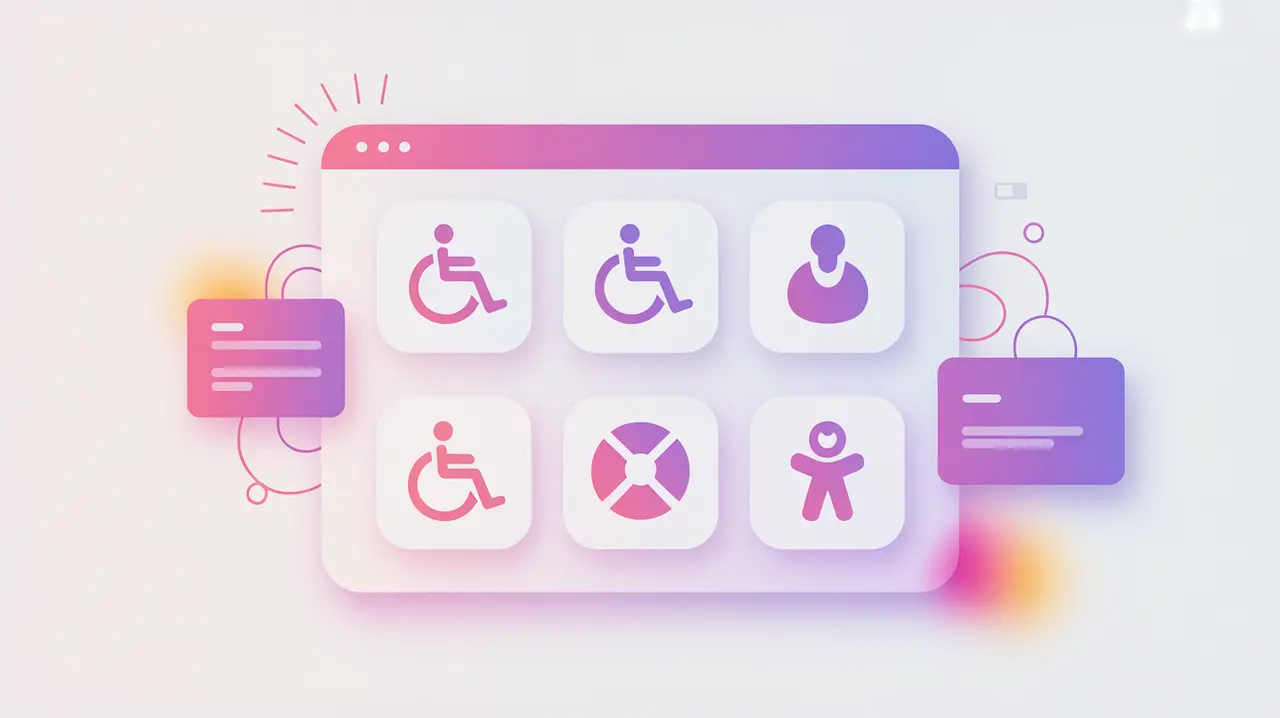
Accessibility frameworks are guided by standards such as the Web Content Accessibility Guidelines (WCAG) and policies like the UN Convention on the Rights of Persons with Disabilities. Accessibility by design encompasses features such as screen reader compatibility, alt text, voice navigation, captioning, and adaptable interfaces. In AI systems, it includes designing models and applications that account for diverse modes of communication and interaction.
It is not the same as accommodation, which modifies systems after they are built. Nor is it equivalent to universal design, which aims for general usability but may not specifically address disability inclusion. Accessibility by design ensures inclusion is proactive and intentional.
How this Works in Practice
In practice, accessibility by design may involve creating AI chatbots that respond to voice input for people with limited mobility, ensuring learning platforms support captions and transcripts for deaf learners, or developing AI-powered vision aids for blind users. It requires engaging people with disabilities throughout the design process to test, validate, and refine solutions.
Challenges include limited awareness among developers, lack of investment in inclusive design, and the assumption that accessibility benefits only a small population. In reality, accessibility often improves usability for everyone, such as captions helping both deaf users and those in noisy environments.
Implications for Social Innovators
Accessibility by design strengthens impact across mission-driven sectors. Health programs can ensure telemedicine and diagnostic platforms serve patients with disabilities. Education initiatives can create inclusive digital classrooms that support diverse learning needs. Humanitarian agencies can deliver crisis communications in formats accessible to all. Civil society organizations advocate for accessibility as a human right, ensuring technology adoption does not reinforce exclusion.
By embedding accessibility from the start, organizations uphold equity and expand the reach and effectiveness of AI and digital tools.