Importance of Risk Assessment for AI
Risk Assessment for AI is the process of systematically identifying, analyzing, and mitigating potential harms that may arise from the design, deployment, or use of artificial intelligence systems. These risks can be technical (bias, accuracy), operational (reliability, drift), ethical (privacy, fairness), or societal (inequality, misuse). Its importance today lies in the fact that AI is increasingly deployed in critical domains where harm can directly affect lives, rights, and trust.
For social innovation and international development, risk assessment matters because mission-driven organizations often operate in sensitive contexts, such as healthcare, education, and humanitarian response. Proactively identifying and mitigating risks helps protect vulnerable communities while ensuring AI delivers its intended benefits.
Definition and Key Features
AI risk assessment frameworks are being developed by regulators, standards bodies, and organizations. Examples include the NIST AI Risk Management Framework and the EU AI Act’s risk classification system. Assessments typically examine data quality, algorithmic fairness, explainability, robustness, security, and compliance with laws.
This is not the same as traditional IT risk assessment, which focuses on cybersecurity or infrastructure. Nor is it equivalent to AI ethics, which provides principles without structured evaluation. Risk assessment provides a formal, evidence-based process for evaluating specific AI systems.
How this Works in Practice
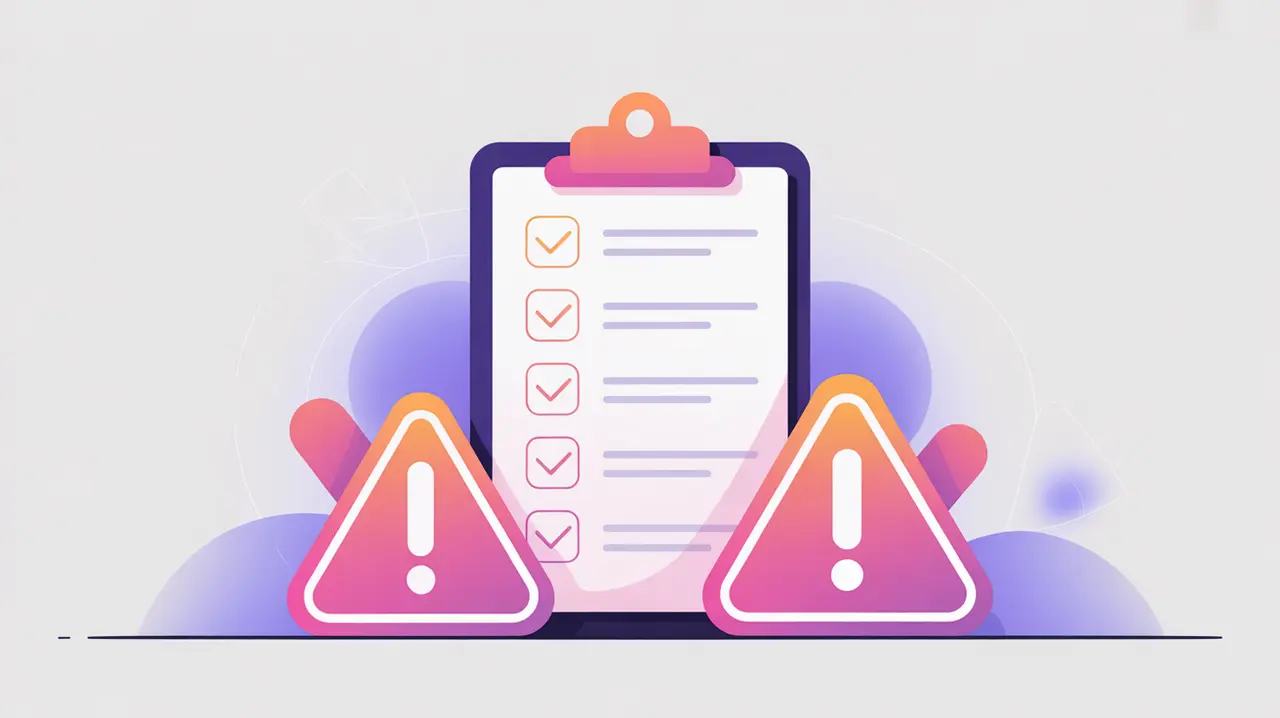
In practice, risk assessments may involve bias audits, scenario testing, red-teaming, and stakeholder consultations. Tools can score risks by likelihood and impact, prioritizing mitigation efforts. For example, a health triage AI might be assessed for risks of misdiagnosis, data breaches, or exclusion of marginalized populations. Mitigation could involve model retraining, stricter data protections, or establishing human-in-the-loop oversight.
Challenges include balancing the cost of risk assessment with the urgency of deployment, addressing risks that emerge post-deployment, and ensuring assessments are context-specific rather than generic. Smaller organizations may lack resources for formal assessments, requiring simplified tools.
Implications for Social Innovators
Risk assessment for AI has direct applications across mission-driven sectors. Health initiatives can use it to evaluate diagnostic AI tools before patient use. Education programs can assess adaptive learning platforms for fairness across student groups. Humanitarian agencies can apply it to biometric systems or crisis prediction tools, ensuring safeguards for vulnerable populations. Civil society groups can use risk assessment frameworks to advocate for safe and equitable AI policies.
By embedding risk assessment into AI lifecycles, organizations reduce harm, increase accountability, and build trust with the communities they serve.