Importance of SBOM and Dependency Provenance
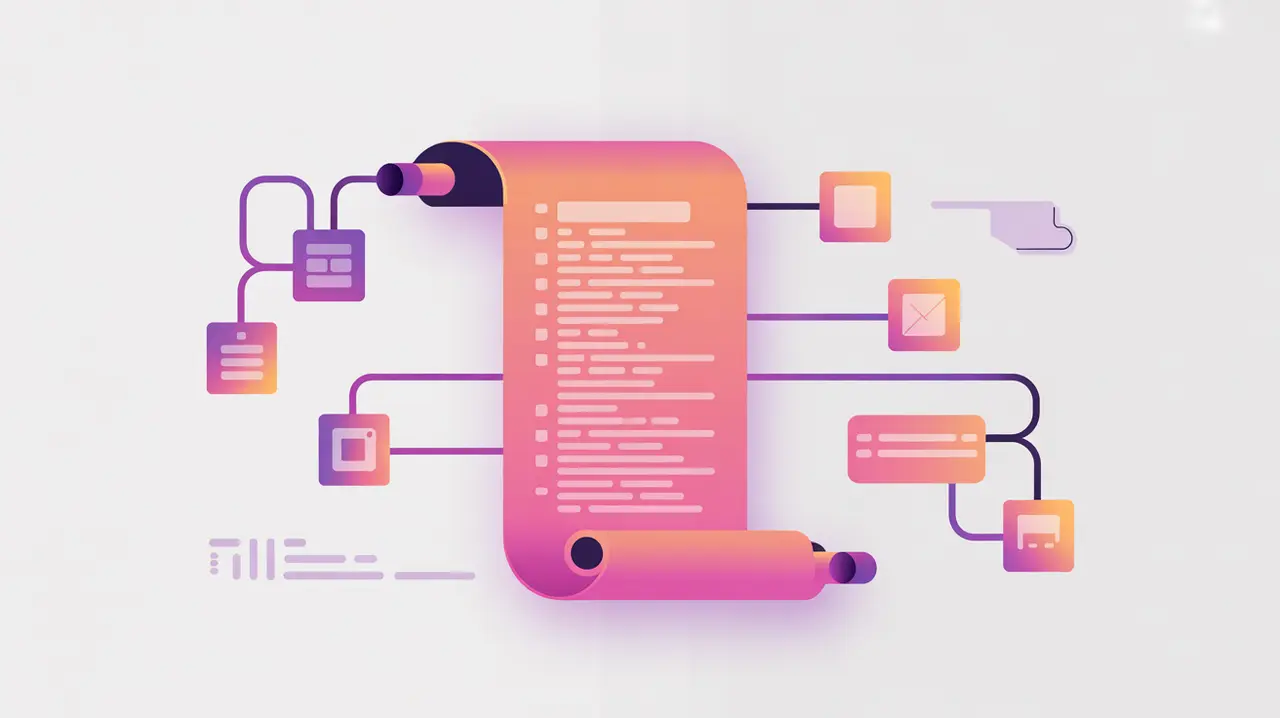
A Software Bill of Materials (SBOM) is a detailed inventory of all components, libraries, and dependencies that make up a software application. Dependency provenance extends this by documenting where those components came from and how they have been maintained or modified over time. Their importance today lies in the complexity of modern software, which often relies on open-source and third-party components. Without visibility, organizations risk vulnerabilities, licensing conflicts, and supply chain attacks.
For social innovation and international development, SBOMs and dependency provenance matter because mission-driven organizations frequently adopt open-source and low-cost tools. Understanding the origins and risks of software components ensures these tools remain secure and sustainable, protecting sensitive data and supporting long-term trust in digital systems.
Definition and Key Features
An SBOM lists all software components and their versions, much like a nutritional label for applications. Dependency provenance goes further by tracing who developed each component, when it was updated, and whether it has known vulnerabilities. Together, they provide transparency into the software supply chain and support compliance with security and licensing requirements.
They are not the same as traditional patch management, which focuses on updating software once issues are discovered. Nor are they equivalent to end-user licenses, which define how software may be used but not what it contains. SBOMs and provenance specifically address the hidden layers of software construction.
How this Works in Practice
In practice, SBOMs can be generated automatically using developer tools and integrated into continuous integration and deployment (CI/CD) pipelines. Provenance records can be maintained through version control, signed attestations, or blockchain-based registries to ensure tamper resistance. Security teams can cross-check SBOMs against vulnerability databases to identify risks before deploying or updating applications.
Challenges include keeping SBOMs current, ensuring compatibility across formats, and addressing the burden of managing large dependency graphs. Smaller organizations may lack expertise or resources to maintain provenance records, making automation and standardized tools especially valuable.
Implications for Social Innovators
SBOMs and dependency provenance directly support mission-driven digital resilience. Health platforms can verify that the software managing patient records is free from unpatched vulnerabilities. Education systems can track dependencies in learning apps to ensure compliance with licensing terms. Humanitarian agencies can rely on SBOMs to secure field-deployed platforms from supply chain attacks. Civil society groups can use provenance to strengthen trust when advocating for digital rights and open-source adoption.
By providing transparency into software components and their origins, SBOMs and dependency provenance give organizations the tools to manage risks, ensure compliance, and safeguard the systems their communities depend on.