Importance of Integration Middleware
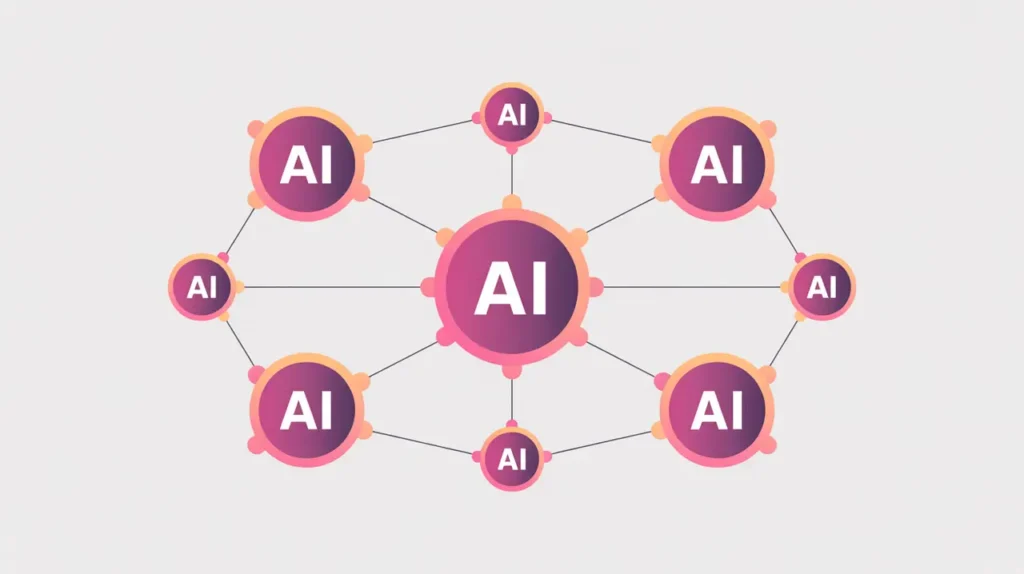
Integration Middleware refers to the software layer that connects different systems, applications, and services so they can communicate and share data reliably. It acts as a translator and orchestrator, bridging gaps between tools that were not originally designed to work together. Its importance today lies in the growing complexity of digital ecosystems, where organizations depend on dozens of applications that must interoperate smoothly.
For social innovation and international development, integration middleware matters because mission-driven organizations often rely on a mix of donor platforms, health information systems, and field tools. Middleware ensures these systems exchange data securely and efficiently, preventing silos and reducing manual work.
Definition and Key Features
Integration middleware provides capabilities such as data transformation, message routing, protocol translation, and API management. It can be delivered as an enterprise service bus (ESB), cloud integration platform (like MuleSoft or Dell Boomi), or lightweight open-source toolkits. By centralizing integrations, middleware simplifies the architecture and reduces duplication across systems.
It is not the same as workflow automation platforms, which focus on user-friendly, task-level automation. Nor is it equivalent to APIs alone, which expose functionality but do not orchestrate complex multi-system interactions. Middleware focuses on enterprise-grade integration and governance across an organization’s ecosystem.
How this Works in Practice
In practice, middleware enables applications such as linking electronic health records to donor reporting systems, or synchronizing student data across multiple education platforms. It can manage both real-time event streams and batch processes, ensuring consistency across environments. Security, monitoring, and error handling are built in to support reliable operation at scale.
Challenges include cost, complexity, and the need for specialized expertise to configure and maintain integrations. Vendor lock-in can also arise if middleware platforms are proprietary. Open-source solutions offer flexibility but may require more technical investment. Governance is essential to ensure integrations remain aligned with organizational priorities.
Implications for Social Innovators
Integration middleware is highly valuable for mission-driven organizations with complex system landscapes. Health initiatives can use middleware to link diagnostic tools, hospital systems, and reporting dashboards. Education programs can integrate multiple learning management systems with donor and government reporting. Humanitarian agencies can synchronize crisis-response tools with logistics and communication platforms. Civil society groups can streamline advocacy platforms by connecting databases, outreach tools, and analytics systems.
By providing a backbone for interoperability, integration middleware helps organizations create cohesive, scalable systems that maximize impact while minimizing inefficiencies.