Importance of Operating Models for Digital Teams
Operating Models for Digital Teams define how people, processes, and technologies are organized to deliver digital and AI-enabled solutions effectively. They provide the blueprint for how teams collaborate, make decisions, and allocate resources in mission-driven contexts. Their importance today lies in the fact that digital transformation requires not only tools but also new ways of working that are agile, integrated, and mission-aligned.
For social innovation and international development, strong operating models matter because organizations often work across geographies, cultures, and sectors. Clear models ensure digital teams can deliver impact at scale while staying responsive to community needs.
Definition and Key Features
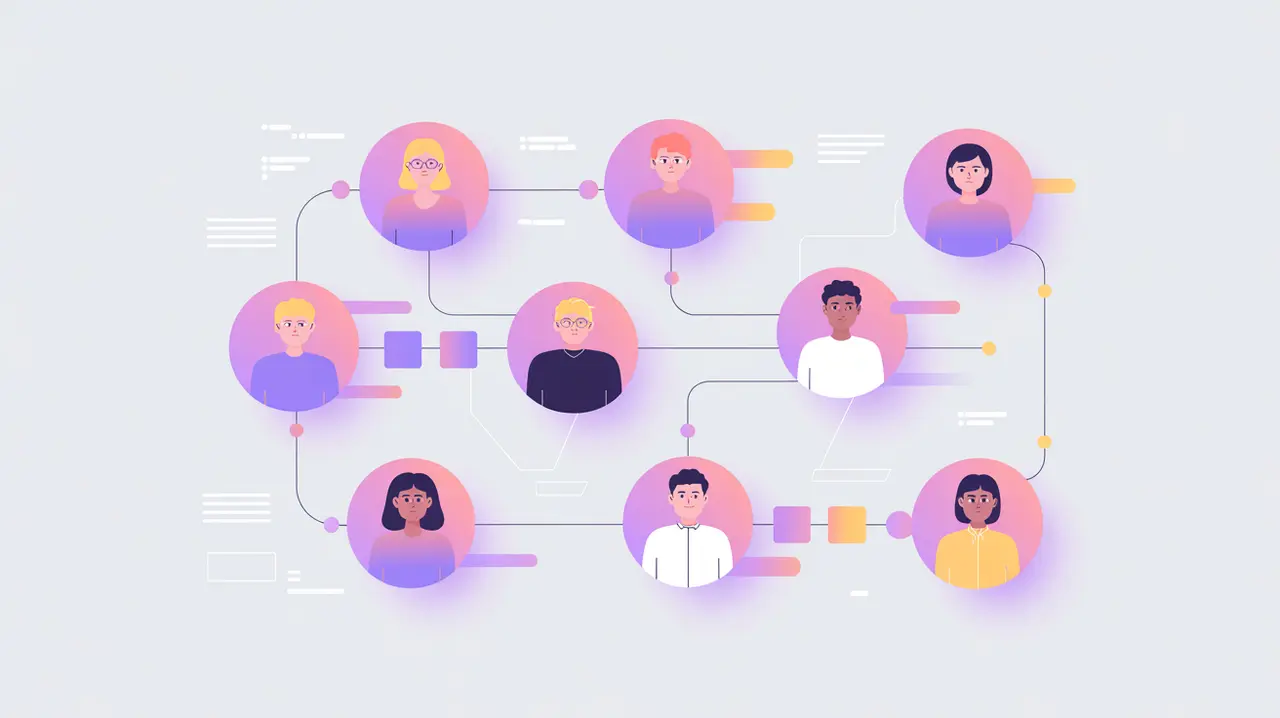
Digital operating models often reconfigure traditional hierarchies into cross-functional teams that combine technical, programmatic, and governance expertise. They emphasize practices like agile workflows, shared accountability, and continuous improvement. Global organizations are increasingly adopting hybrid models that balance centralized digital leadership with decentralized field capacity.
They are not the same as organizational charts, which describe structure without addressing ways of working. Nor are they equivalent to project management systems, which focus on tasks rather than strategy. Operating models define the principles, culture, and processes that sustain digital work.
How this Works in Practice
In practice, a health NGO might establish a digital team that combines data scientists, clinicians, and field workers into an integrated unit. An education initiative may adopt a hub-and-spoke model, with a central digital innovation hub supporting country-level teams. Humanitarian agencies may use federated models, where global standards guide local experimentation.
Challenges include balancing central control with local autonomy, securing resources for digital teams in lean environments, and preventing digital staff from becoming siloed from program staff. Building shared culture and trust across technical and non-technical roles is essential for success.
Implications for Social Innovators
Operating models for digital teams enable mission-driven organizations to deliver responsibly and at scale. Health programs can integrate AI diagnostics into frontline care through multidisciplinary teams. Education initiatives can ensure adaptive platforms are supported by both developers and teachers. Humanitarian agencies can align global crisis-mapping tools with local field realities. Civil society organizations can strengthen advocacy by embedding digital skills into campaign teams.
By adopting clear and adaptive operating models, organizations ensure that digital teams work effectively across boundaries, delivering AI and technology solutions that are both sustainable and mission-aligned.