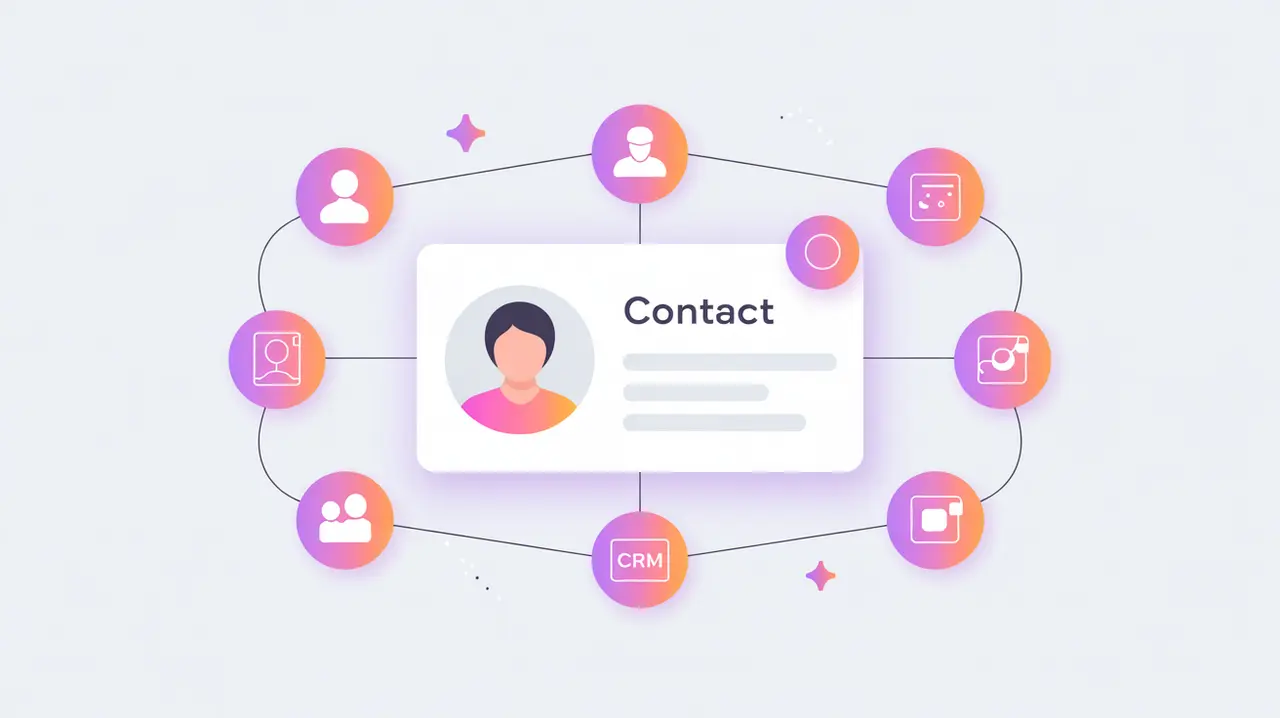
Importance of CRM Platforms
Customer Relationship Management (CRM) Platforms are systems that help organizations manage interactions with stakeholders, track engagement, and streamline workflows related to relationships. While traditionally focused on sales and customer service, CRM platforms are now widely used in nonprofit, education, health, and humanitarian contexts to manage donors, beneficiaries, volunteers, and partners. Their importance today lies in enabling organizations to centralize relationship data and act on it strategically.
For social innovation and international development, CRM platforms matter because mission-driven organizations rely on trust and sustained engagement. A well-implemented CRM helps them strengthen accountability, build long-term partnerships, and direct limited resources toward the most impactful relationships.
Definition and Key Features
CRM platforms like Salesforce, HubSpot, Zoho, and open-source options such as CiviCRM provide tools for contact management, segmentation, pipeline tracking, and reporting. Many modern CRMs integrate with communication platforms, payment systems, and workflow automation, making them a hub for organizational intelligence.
They are not the same as simple contact lists, which lack depth and automation. Nor are they equivalent to project management tools, which focus on tasks rather than relationships. CRMs specifically capture and manage the lifecycle of organizational interactions.
How this Works in Practice
In practice, CRMs allow organizations to track donor history, beneficiary interactions, or partner collaborations in one place. Advanced systems can automate outreach, generate insights into stakeholder behavior, and forecast engagement trends. Customizable dashboards and analytics support evidence-based decision-making. Integration with AI can further enhance prediction, personalization, and efficiency.
Challenges include cost, customization complexity, and adoption barriers among staff. Without proper governance, CRMs risk becoming data silos rather than sources of shared intelligence. Data privacy and compliance are also critical considerations, particularly when handling sensitive beneficiary information.
Implications for Social Innovators
CRM platforms are transformative for mission-driven organizations. Health initiatives can use CRMs to track patient follow-ups, referrals, and partnerships with local clinics. Education programs benefit from CRMs to manage relationships with students, parents, and funders. Humanitarian agencies can use them to coordinate with partners, track aid distribution, and manage volunteer networks. Civil society groups rely on CRMs for donor management, advocacy campaigns, and coalition building.
By consolidating relationship data and making it actionable, CRM platforms help organizations strengthen connections, sustain trust, and amplify impact across their missions.