Importance of Webhooks
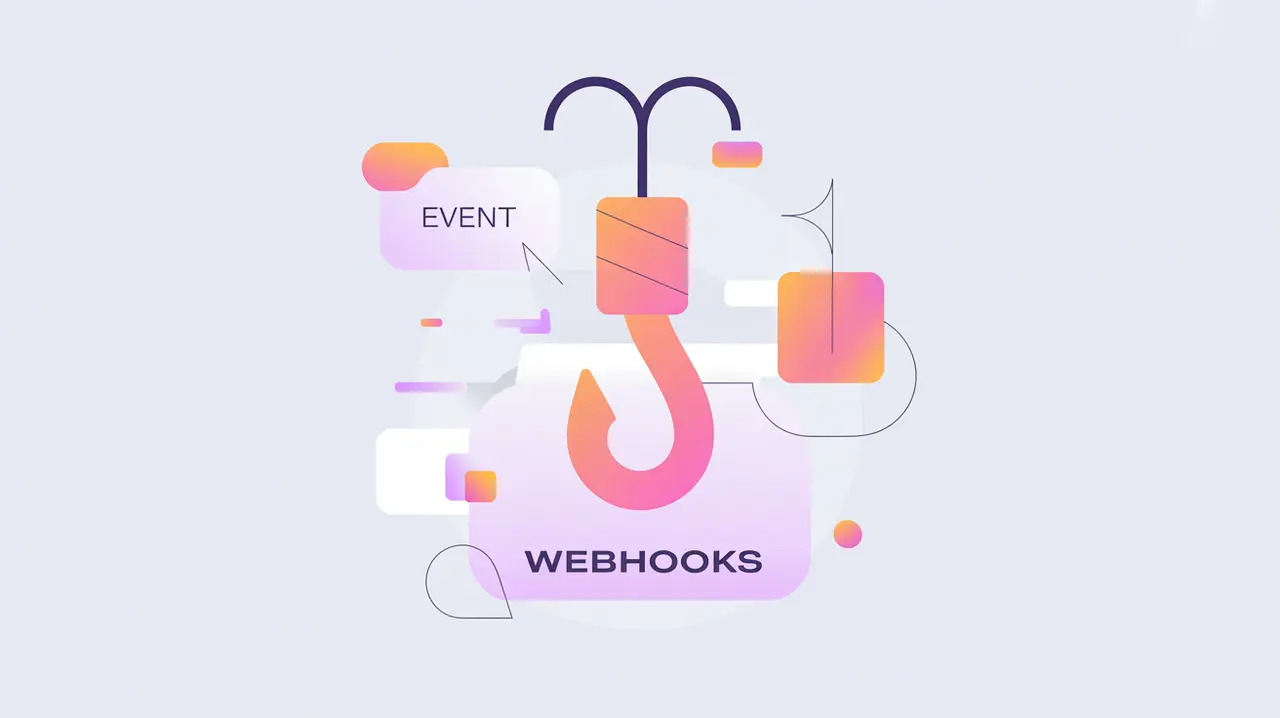
Webhooks are a lightweight way for applications to send real-time notifications or data to other systems when specific events occur. Instead of requiring one system to repeatedly check for updates, a webhook delivers the update instantly to a pre-defined URL. Their importance today comes from the need for faster, event-driven interactions across digital platforms, especially in contexts where responsiveness and automation reduce overhead.
For social innovation and international development, webhooks matter because they allow mission-driven organizations to connect systems seamlessly without heavy engineering. From syncing survey results to triggering alerts when health data is updated, webhooks provide a simple mechanism for integrating services in ways that save time and resources.
Definition and Key Features
A webhook works by registering a callback URL with a system that can generate events. When a defined event occurs (such as a new user signing up, a payment being processed, or data being updated) the system sends an HTTP POST request to the callback URL with relevant data. The receiving system can then process the event, update its records, or trigger further actions.
Webhooks are not the same as APIs that require polling, where one system repeatedly asks another if new data exists. Nor are they identical to full messaging systems, which require brokers and more complex infrastructure. Webhooks are simpler: they are direct, event-driven notifications over HTTP.
How this Works in Practice
In practice, implementing webhooks requires both the sender and receiver to agree on the event structure and payload format, often JSON. The receiver must be prepared to authenticate requests, verify integrity, and handle retries in case of delivery failures. Logging and monitoring are important to detect missing or duplicate events.
Challenges include security, since exposing endpoints for external calls can create vulnerabilities. Solutions include using secret tokens, digital signatures, and encryption to verify authenticity. Scaling webhooks across many subscribers or high-frequency events may also require queuing or middleware, but the basic principle remains simple and accessible.
Implications for Social Innovators
Webhooks provide mission-driven organizations with practical ways to automate and connect services. Education platforms can use webhooks to update student dashboards immediately when new assignments are graded. Health systems can trigger alerts to clinics when lab results are available. Humanitarian agencies can receive real-time notifications from mobile data collection apps, speeding up crisis reporting. Civil society groups can integrate donation platforms with CRM tools, updating donor records as soon as contributions are made.
By enabling fast, event-driven integration, webhooks help organizations stay responsive while reducing the technical burden of system-to-system communication.