Importance of Civil Society & Community Organizations as Local AI Stewards
Civil society and community organizations play a critical role as local stewards of AI, ensuring that technologies are introduced, adapted, and governed in ways that align with community needs and values. Their importance today lies in their proximity to the people most affected by digital transformation, especially in contexts where top-down policies or market-driven approaches may overlook local realities.
For social innovation and international development, these organizations matter because they amplify community voices, safeguard rights, and bridge the gap between global AI agendas and local lived experience.
Definition and Key Features
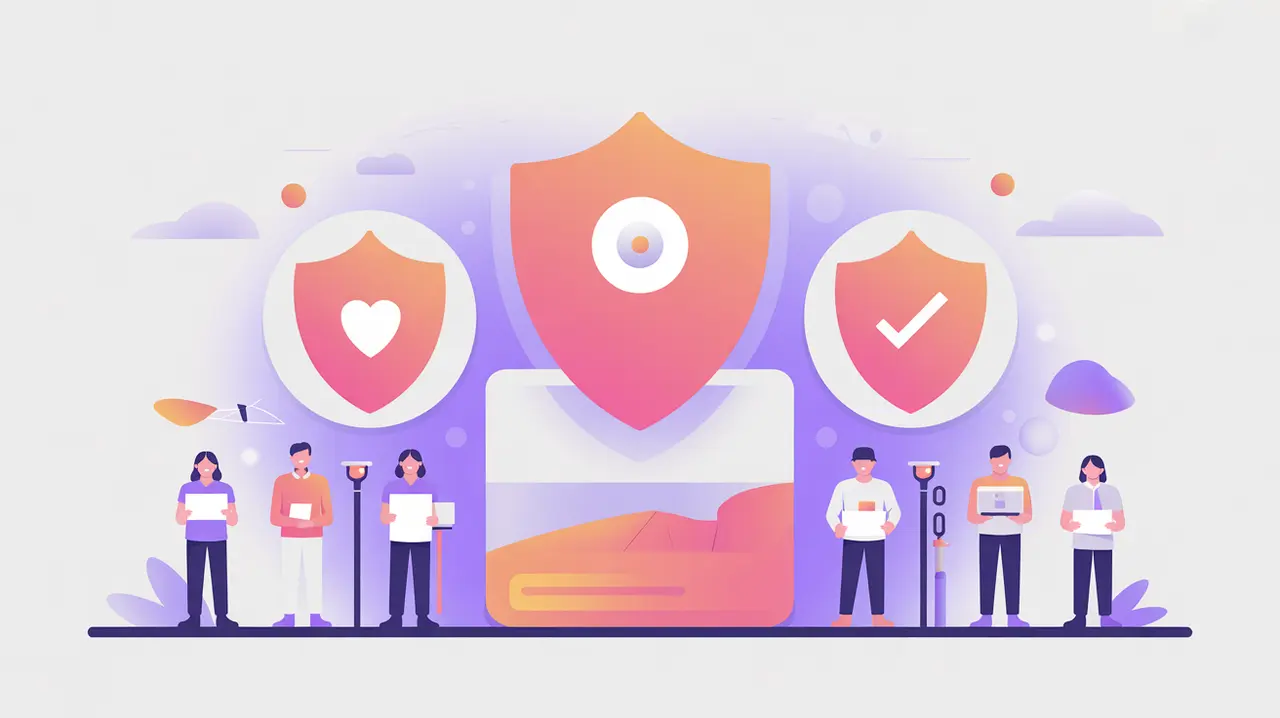
Civil society organizations (CSOs) include advocacy groups, grassroots movements, and local associations. Community organizations are often hyperlocal, embedded in specific neighborhoods, villages, or cultural groups. As AI stewards, they educate communities, monitor risks, and hold governments and corporations accountable.
This is not the same as large NGOs, which often operate nationally or internationally. Nor is it equivalent to private sector partnerships, which are shaped by commercial incentives. Local stewardship emphasizes community trust, participation, and accountability.
How this Works in Practice
In practice, civil society groups might train communities in digital literacy, advocate for safeguards against surveillance, or co-design AI systems for local service delivery. Community organizations may run workshops to explain how AI-powered tools affect livelihoods or provide channels for grievances when technologies cause harm. They can also adapt global solutions like translation systems or digital IDs to fit local languages and contexts.
Challenges include limited technical capacity, underfunding, and vulnerability to political pressures. Larger actors may also overlook or bypass local organizations in decision-making, undermining their stewardship role. Building capacity and ensuring inclusion are ongoing priorities.
Implications for Social Innovators
Civil society and community organizations are essential across mission-driven sectors. In health, they advocate for patient rights in AI-enabled diagnostics. In education, they support teachers and families in understanding adaptive platforms. In humanitarian contexts, they monitor risks when biometric or digital ID systems are deployed. Civil society also mobilizes collective action to influence AI policy and governance.
By acting as local AI stewards, civil society and community organizations ensure that technology adoption reflects lived realities, protects rights, and builds trust from the ground up.