Importance of Hotline and Triage Automation
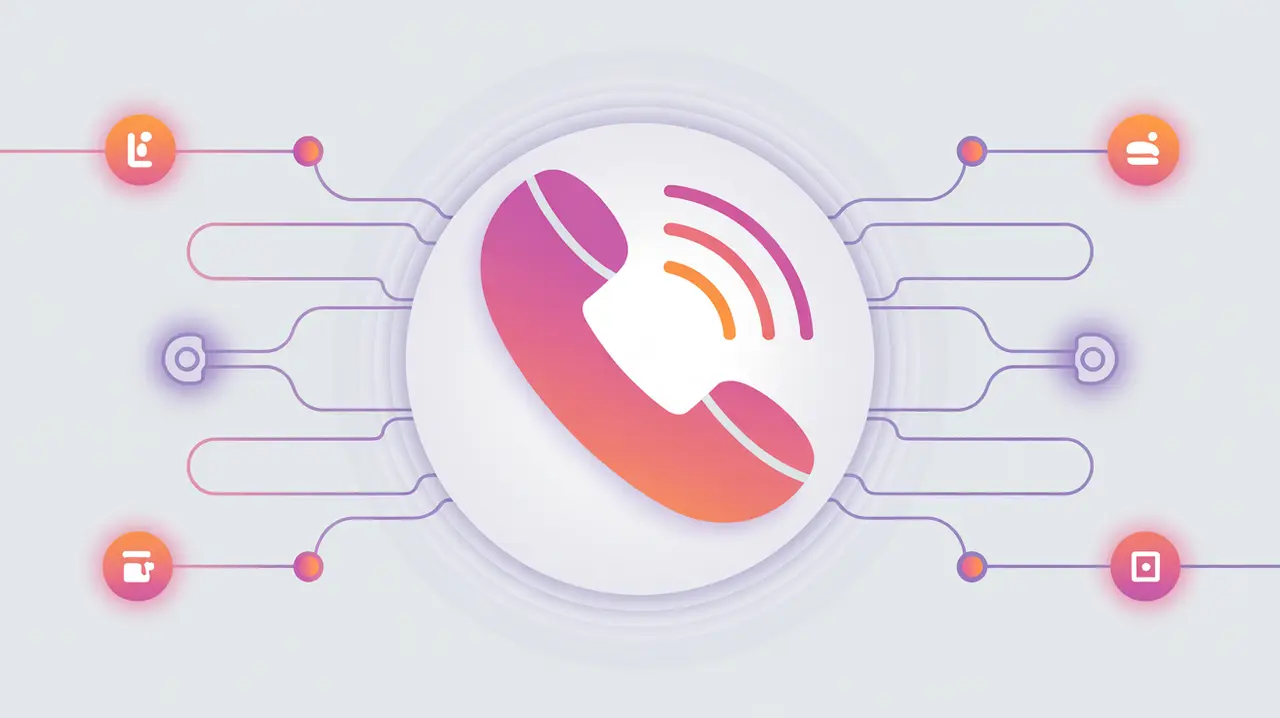
Hotline and Triage Automation refers to AI- and technology-enabled systems that handle incoming calls, messages, or requests and route them to the right resources or personnel. These systems can answer frequently asked questions, prioritize urgent cases, and direct beneficiaries to appropriate services. Their importance today lies in reducing response times, extending coverage, and ensuring that limited staff can focus on the most critical needs.
For social innovation and international development, hotline and triage automation matters because mission-driven organizations often serve large populations with limited resources. Automated triage helps ensure that people in need (patients, students, or crisis-affected communities) receive timely support without overwhelming human operators.
Definition and Key Features
These systems combine interactive voice response (IVR), natural language processing, and intelligent routing. Hotlines can provide self-service menus, while AI-driven triage can classify messages and direct them to caseworkers, chatbots, or knowledge bases. Integration with CRMs and case management systems ensures data consistency across channels.
They are not the same as traditional call centers, which rely entirely on human agents. Nor are they equivalent to static FAQs, which lack interaction and personalization. Hotline and triage automation adds intelligence and efficiency to service delivery.
How this Works in Practice
In practice, hotline automation can handle routine inquiries such as office hours, program eligibility, or service updates. Triage systems can analyze incoming messages, detect urgency, and escalate cases to human staff when needed. For example, a health hotline can triage between general information requests, urgent symptoms, and administrative needs. AI models can also provide multilingual support, expanding accessibility.
Challenges include ensuring accuracy in classification, avoiding delays in escalating critical cases, and maintaining trust among users who may prefer human interaction. Privacy and data protection are essential, particularly in sensitive contexts like health and humanitarian services.
Implications for Social Innovators
Hotline and triage automation directly supports mission-driven organizations. Health programs can provide 24/7 symptom checkers and triage patients to clinics. Education initiatives can use hotlines to answer parent or student queries, reducing administrative burdens. Humanitarian agencies can deploy automated triage to manage large volumes of crisis calls and prioritize life-threatening cases. Civil society groups can establish hotlines for reporting corruption, rights violations, or abuse, with automation ensuring cases are routed to the correct teams.
By combining automation with human oversight, hotline and triage systems extend service reach, improve responsiveness, and strengthen trust in mission-driven organizations.