Importance of Speech to Speech
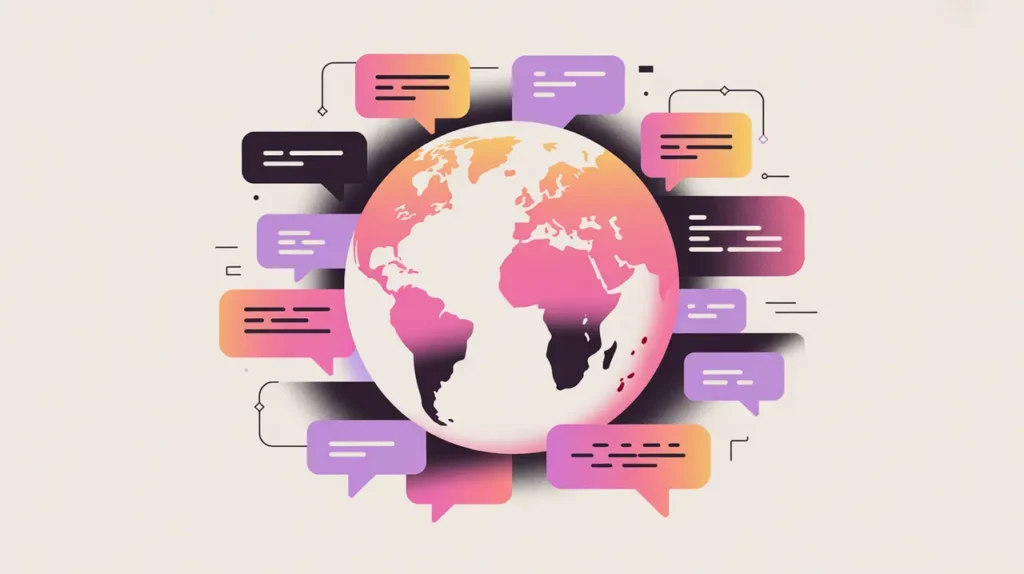
Speech-to-Speech (STS) systems are AI technologies that convert spoken input in one language directly into spoken output in another. They combine the capabilities of speech recognition, machine translation, and text-to-speech into a seamless pipeline. Their importance today lies in how they make cross-linguistic communication faster and more natural, reducing the friction of written intermediaries. With advances in neural networks and multimodal models, STS is moving from research into practical, real-time applications.
For social innovation and international development, STS matters because it removes language as a barrier to participation. Communities can engage with services, institutions, and one another across linguistic divides, even in oral-first contexts where written translation is less effective. This creates opportunities for more inclusive communication in health, education, and humanitarian response.
Definition and Key Features
Speech-to-Speech translation involves three core stages: transcribing the input speech into text, translating the text into the target language, and generating audio output in the new language. Modern systems increasingly bypass the intermediate text step, using end-to-end neural architectures that directly map speech in one language to speech in another. This reduces latency and improves fluency.
STS is not the same as simple dubbing or prerecorded voice translation. Nor is it equivalent to traditional translation pipelines, which often require human intermediaries and significant time. Instead, STS seeks to provide real-time, dynamic communication across languages, with the added ability to preserve tone and prosody for natural expression.
How this Works in Practice
In practice, STS models rely on large-scale training data that align spoken utterances across languages. Transformer-based architectures enable the system to capture patterns in speech while integrating contextual understanding for more accurate translation. Some systems also attempt to preserve speaker identity and emotion, creating continuity in communication.
Challenges remain in handling low-resource languages, cultural nuance, and domain-specific vocabulary. Background noise and regional accents can reduce accuracy, while ethical concerns arise around misinterpretation in high-stakes settings. Despite these challenges, progress in STS is rapidly expanding its reach, with mobile and offline versions now becoming viable.
Implications for Social Innovators
Speech-to-Speech technology holds transformative potential for mission-driven organizations. Health workers can communicate directly with patients in their native language without waiting for interpreters. Educators can use STS to connect students across multilingual classrooms. Humanitarian agencies can gather feedback from displaced populations in real time, regardless of language.
Speech-to-Speech enables true voice-to-voice communication across linguistic divides, fostering participation, equity, and trust in diverse communities.