Importance of Safety Evaluations and Red Teaming
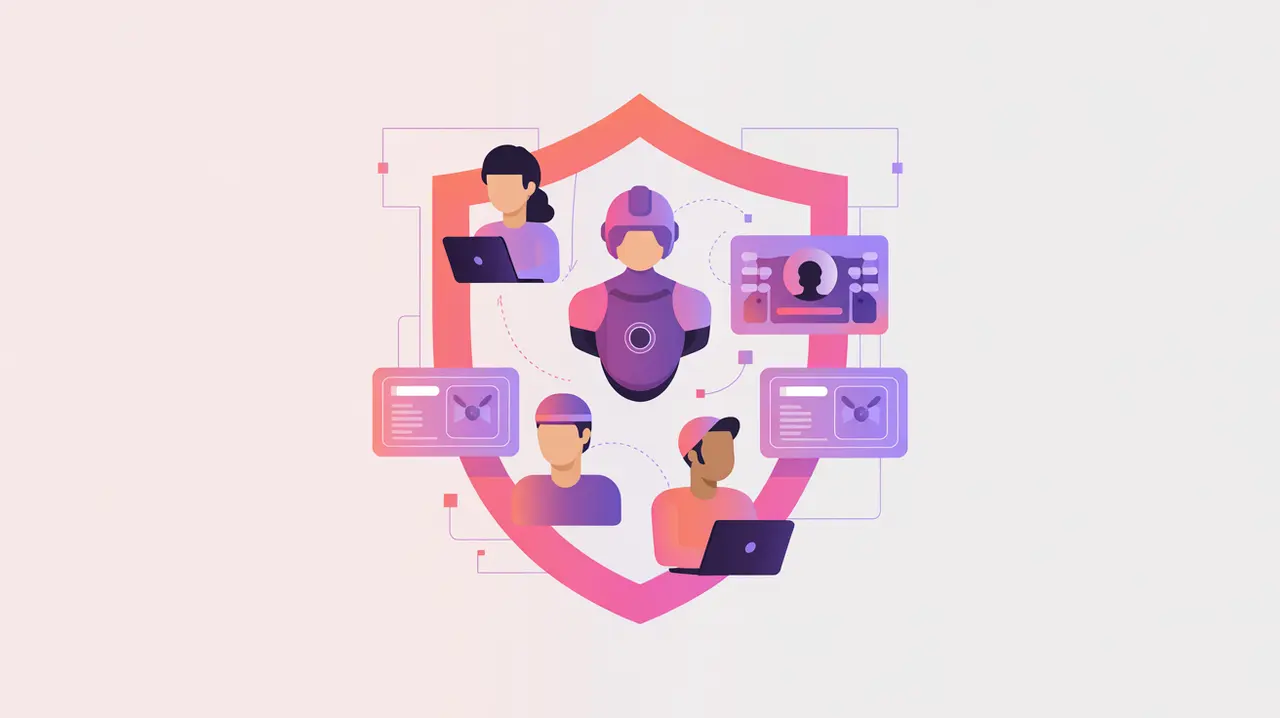
Safety Evaluations and Red Teaming are methods used to test AI systems for vulnerabilities, harmful behaviors, and unintended consequences before and after deployment. Safety evaluations involve structured testing against benchmarks and known risks, while red teaming engages adversarial experts to probe systems in creative ways. Their importance today lies in the fact that AI models are increasingly complex and unpredictable, requiring proactive stress-testing to prevent harm.
For social innovation and international development, safety evaluations and red teaming matter because mission-driven organizations often operate in high-stakes environments. Testing helps ensure AI systems do not produce unsafe outputs, discriminate against vulnerable groups, or expose sensitive data.
Definition and Key Features
Safety evaluations typically include benchmark testing, scenario analysis, and stress tests under adversarial conditions. Red teaming, borrowed from military and cybersecurity practice, involves assembling independent teams to attack or “break” the system. Leading AI labs and regulators increasingly mandate these practices as part of responsible deployment.
They are not the same as standard quality assurance, which checks whether systems function as intended under normal conditions. Nor are they equivalent to post-incident response, which occurs after harm is done. Safety evaluations and red teaming are proactive approaches to risk reduction.
How this Works in Practice
In practice, safety evaluations might test a chatbot against harmful prompt scenarios, evaluate fairness under varied demographic inputs, or simulate misuse cases. Red teams may attempt to bypass guardrails, extract sensitive data, or generate disallowed content. Outputs are analyzed to identify vulnerabilities and strengthen safeguards.
Challenges include the cost and expertise required to conduct meaningful red teaming, the difficulty of simulating all possible real-world scenarios, and the need to balance disclosure of vulnerabilities with security. Regular, iterative testing is essential as systems evolve.
Implications for Social Innovators
Safety evaluations and red teaming provide critical protection for mission-driven organizations. Health initiatives can ensure diagnostic models do not produce unsafe recommendations. Education platforms can prevent chatbots from generating harmful or biased responses to students. Humanitarian agencies can stress-test crisis mapping tools for misinformation risks. Civil society groups can advocate for independent red teaming as a safeguard against opaque or unsafe AI deployments.
By embedding safety evaluations and red teaming into AI governance, organizations reduce risks, strengthen trust, and ensure systems serve communities safely and responsibly.