Importance of AI System Architecture
AI System Architecture refers to the overall design and structure of how Artificial Intelligence systems are built and organized. Its importance today comes from the fact that AI is no longer a single algorithm running in isolation. Modern AI involves layers of data pipelines, model training environments, deployment systems, user interfaces, and governance frameworks. The architecture determines how reliable, scalable, and ethical an AI system can be.
For social innovation and international development, AI System Architecture matters because mission-driven organizations must balance innovation with resource constraints. A well-designed architecture allows them to integrate AI into existing systems, protect sensitive data, and align tools with local contexts. Poor design, on the other hand, can lead to inefficiency, inequity, or loss of trust.
Definition and Key Features
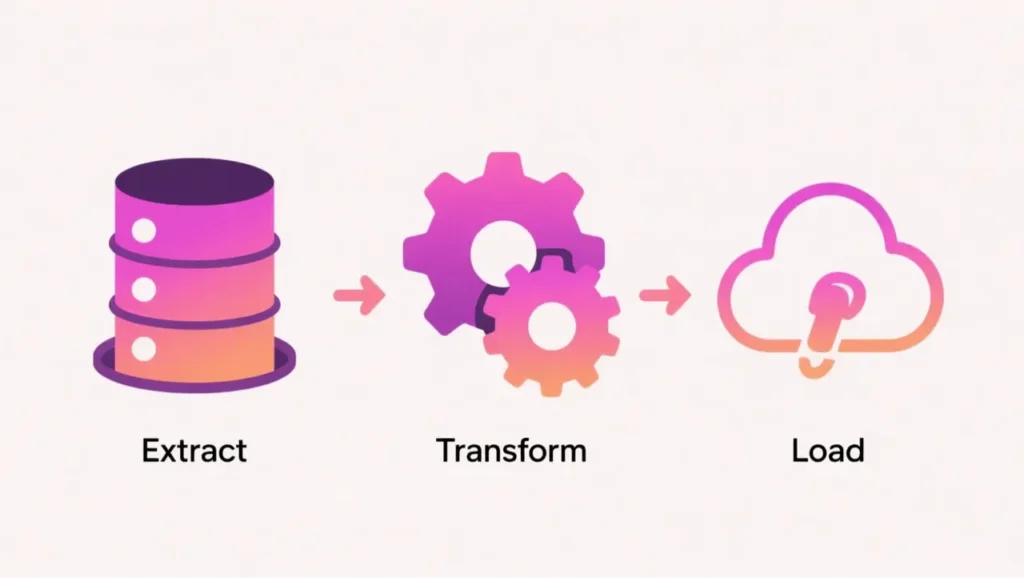
AI System Architecture typically includes several core components: data ingestion and preprocessing pipelines, machine learning or deep learning models, training infrastructure, deployment environments, and monitoring systems. Each layer must be designed to communicate effectively with the others. For example, clean and representative data pipelines feed models that then require secure APIs to interact with end users.
It is not the same as individual model design, which focuses on the inner workings of a neural network or algorithm. Nor is it equivalent to IT infrastructure alone, though computing resources are a key part. AI architecture is the higher-level blueprint that ensures models operate reliably within broader ecosystems.
How this Works in Practice
In practice, building AI System Architecture requires decisions about where data is stored, how it flows, and what safeguards are in place. Cloud platforms often provide scalable infrastructure, while edge devices enable local processing where connectivity is limited. Monitoring and feedback loops are critical to ensure that systems adapt over time, catching errors, drifts, or unintended consequences.
Trade-offs are inevitable. Highly centralized architectures may be efficient but risk excluding local contexts or creating bottlenecks. Decentralized or federated architectures increase inclusion but require stronger coordination. Choosing the right approach depends on the mission, resources, and the sensitivity of the domain.
Implications for Social Innovators
AI System Architecture shapes whether organizations can deploy AI responsibly and sustainably. In education, scalable architectures allow tutoring platforms to serve large student populations without sacrificing quality. In healthcare, secure architectures protect patient data while enabling real-time diagnostics. In humanitarian work, architectures built for low-connectivity environments ensure field workers can still use AI tools.
Thoughtful AI architecture ensures that mission-driven systems are not only functional but also resilient, trustworthy, and aligned with community needs.