Importance of Field Data Collection Apps
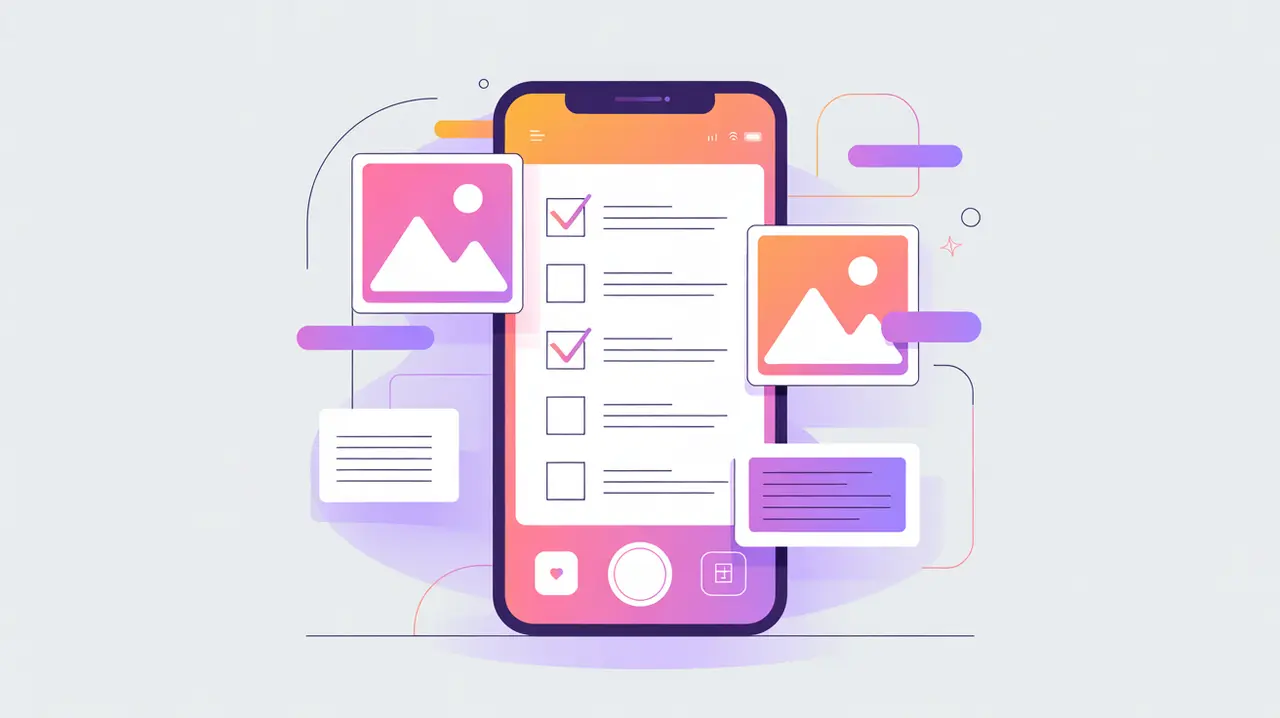
Field Data Collection Apps are mobile or tablet-based tools that enable organizations to gather structured and unstructured data directly from communities, often in offline or low-connectivity environments. They streamline the process of capturing surveys, geolocation, photos, and signatures in real time. Their importance today lies in bridging the gap between on-the-ground realities and centralized data systems, ensuring that decision-making is grounded in timely, accurate, and inclusive information.
For social innovation and international development, field data collection apps matter because many mission-driven organizations rely on fieldworkers to gather evidence in rural, underserved, or crisis-affected areas. These apps reduce paper-based inefficiencies, minimize errors, and accelerate the flow of critical insights.
Definition and Key Features
Popular platforms include KoboToolbox, CommCare, ODK (Open Data Kit), SurveyCTO, and Magpi. Features often include offline functionality, multi-language support, form customization, GPS tagging, and secure data syncing when connectivity is restored. Many integrate directly with CRMs, dashboards, or cloud databases.
They are not the same as general survey and form platforms designed for online use, which may lack offline resilience or fieldworker-specific features. Nor are they equivalent to full GIS platforms, which emphasize spatial analysis rather than structured field-level data capture. Field data collection apps are tailored to the needs of distributed field teams.
How this Works in Practice
In practice, organizations deploy these apps on mobile devices carried by enumerators or community workers. Data can include household demographics, health screenings, school attendance, or service delivery verification. Built-in validation rules reduce errors, while real-time syncing allows supervisors to monitor progress and ensure coverage. Media capture (photos, audio, video) enriches datasets, while geotagging improves spatial accuracy.
Challenges include ensuring data privacy when collecting sensitive information, training fieldworkers on proper use, and managing device distribution in low-resource settings. Power and connectivity limitations may also hinder effective use, making offline functionality and lightweight design critical.
Implications for Social Innovators
Field data collection apps directly strengthen mission-driven efforts. Health programs use them for vaccination campaigns, disease surveillance, and clinic monitoring. Education initiatives gather attendance and performance data from schools in remote areas. Humanitarian agencies deploy them during crises to assess needs, track aid distribution, and validate service delivery. Civil society groups use them to collect grassroots feedback, monitor rights violations, or document environmental change.
By equipping field teams with robust digital tools, field data collection apps improve accuracy, reduce delays, and ensure that voices from the ground shape decisions and impact.