Importance of Incident Response for AI Systems
Incident Response for AI Systems refers to the structured processes organizations use to detect, contain, and recover from failures, harms, or breaches involving artificial intelligence. Incidents can range from biased outputs and safety failures to security breaches or misuse. Its importance today lies in the reality that no AI system is risk-free, and effective response determines whether harms are minimized or amplified.
For social innovation and international development, incident response matters because mission-driven organizations operate in high-stakes contexts where AI errors could jeopardize trust, safety, or rights. Preparedness ensures that when failures occur, communities are protected, and accountability is upheld.
Definition and Key Features
Incident response plans typically include monitoring systems, predefined escalation paths, communication protocols, and remediation strategies. Many organizations adopt frameworks modeled on cybersecurity incident response but tailored for AI’s unique risks, such as bias, hallucination, or adversarial manipulation.
This is not the same as general risk assessment, which identifies potential issues before deployment. Nor is it equivalent to transparency reporting, which discloses activities publicly. Incident response is about real-time action once harm or failure occurs.
How this Works in Practice
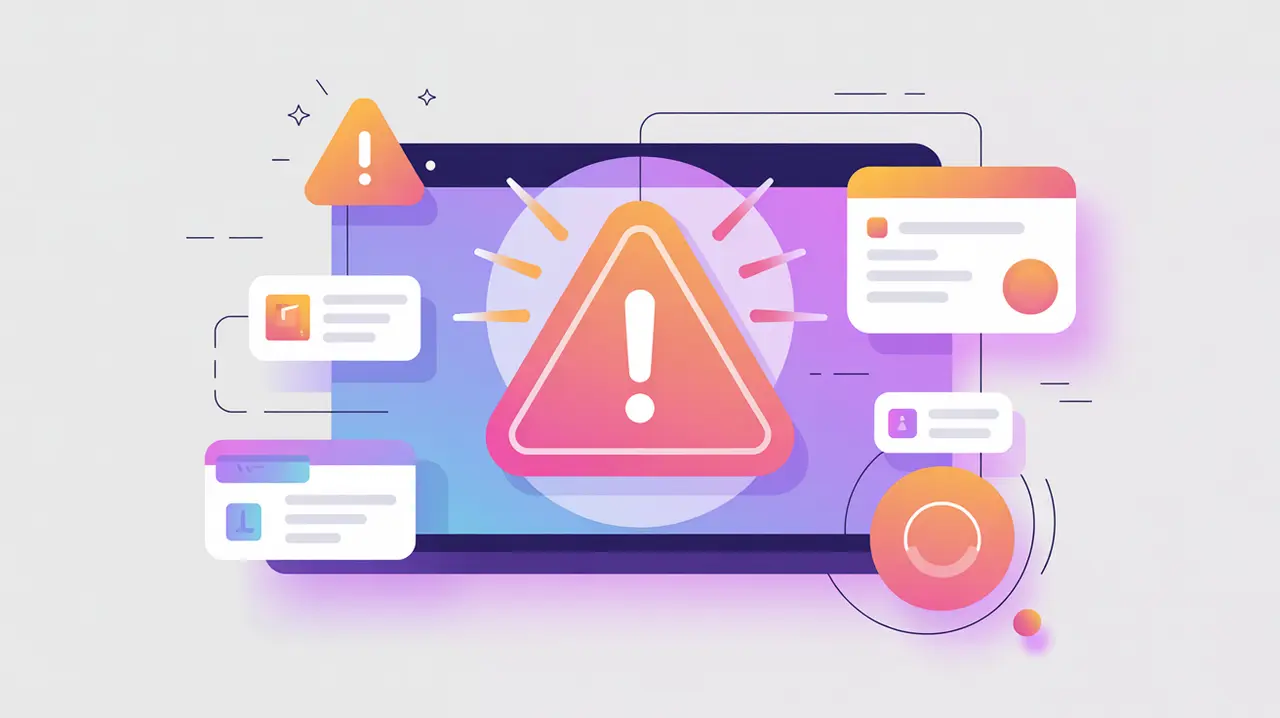
In practice, incident response for AI may involve automatically shutting down a malfunctioning chatbot, notifying affected users of incorrect outputs, retraining a faulty model, or investigating adversarial attacks. Governance processes assign responsibility for declaring incidents, conducting root-cause analysis, and implementing corrective measures. Communication strategies are also critical, ensuring transparency with communities, funders, and regulators.
Challenges include defining what qualifies as an “incident,” ensuring timely detection, and balancing the need for rapid response with careful investigation. Resource-limited organizations may struggle to implement formal plans, making collaboration with partners or regulators especially important.
Implications for Social Innovators
Incident response systems are vital across mission-driven sectors. Health programs need plans for handling unsafe recommendations from diagnostic AI. Education initiatives must respond when learning platforms generate harmful or biased content. Humanitarian agencies require incident response strategies for biometric systems or crisis-mapping tools to prevent harm during emergencies. Civil society groups often call for independent oversight of AI incidents to ensure accountability.
By embedding incident response into AI governance, organizations ensure they are prepared not just to prevent harm, but to act decisively and responsibly when harm occurs.