Importance of Private Sector Tech Companies as Builders & Partners
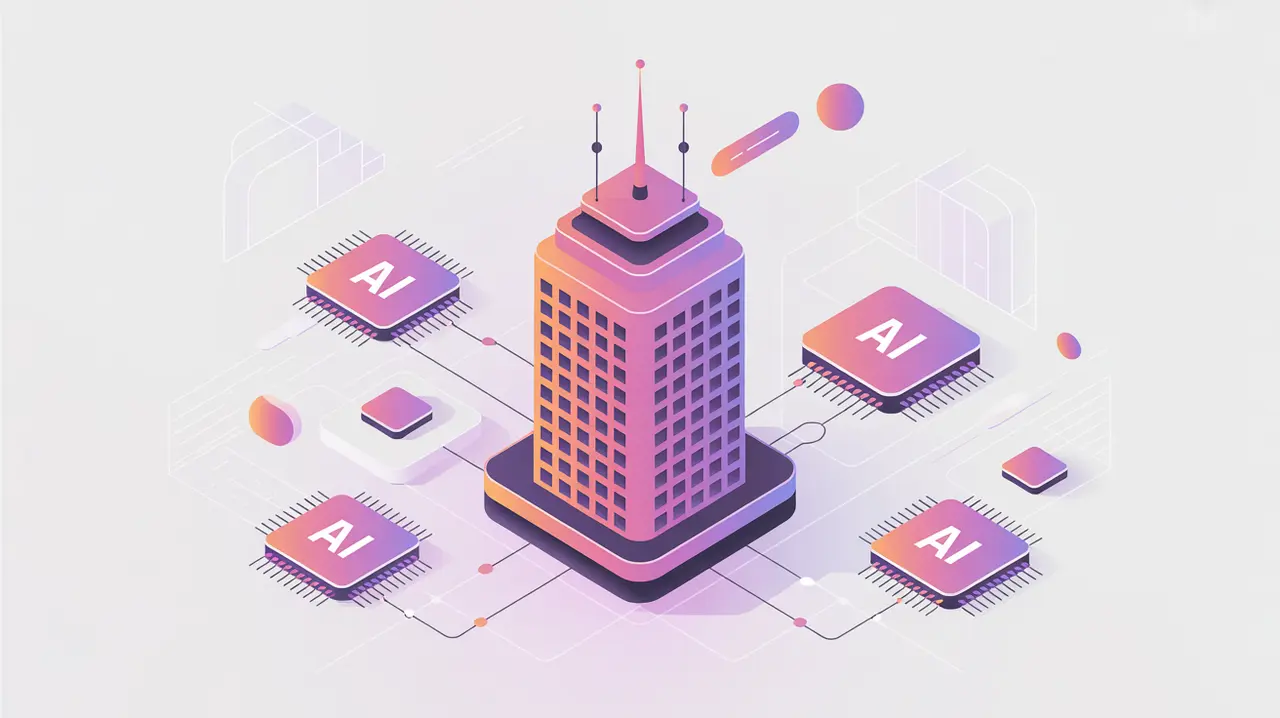
Private sector technology companies are at the forefront of building and deploying AI systems. They provide the platforms, infrastructure, and tools that power much of today’s digital innovation. Their importance today lies not only in their technical capabilities but also in the influence they hold over standards, access, and market dynamics.
For social innovation and international development, private sector companies matter because they act as both builders of core AI technologies and partners to nonprofits, governments, and communities seeking to apply these tools for public benefit.
Definition and Key Features
Tech companies include global giants offering cloud services and AI models, as well as specialized firms developing sector-specific applications. Their roles range from creating foundational models to providing APIs, software platforms, and infrastructure. They often drive innovation but also face scrutiny for issues like bias, privacy, and monopolistic practices.
This is not the same as startups, which are smaller, more agile innovators. Nor is it equivalent to public sector agencies, which focus on governance and citizen service. Private tech companies operate on commercial models, though many engage in partnerships and corporate social responsibility initiatives.
How this Works in Practice
In practice, private sector companies may provide cloud computing power for humanitarian agencies, design AI-powered translation tools for NGOs, or collaborate with governments on digital ID systems. Partnerships can accelerate innovation and scale but also create dependencies and raise questions about accountability. Contracting and procurement terms often shape the balance of power in these collaborations.
Challenges include unequal bargaining power between mission-driven organizations and tech firms, lack of transparency in proprietary systems, and risks of prioritizing corporate interests over community needs. Responsible partnerships require clear agreements, accountability mechanisms, and attention to equity.
Implications for Social Innovators
Private sector tech companies influence mission-driven ecosystems across sectors. Health programs may rely on AI diagnostic tools developed by large firms. Education initiatives often integrate platforms created by private providers. Humanitarian agencies use mapping, communication, and logistics tools built by tech companies. Civil society groups advocate for fairer practices, pushing firms to adopt ethical frameworks and increase transparency.
By engaging as both builders and partners, private sector tech companies shape not only the technical possibilities of AI but also the governance and equity of its adoption in mission-driven contexts.