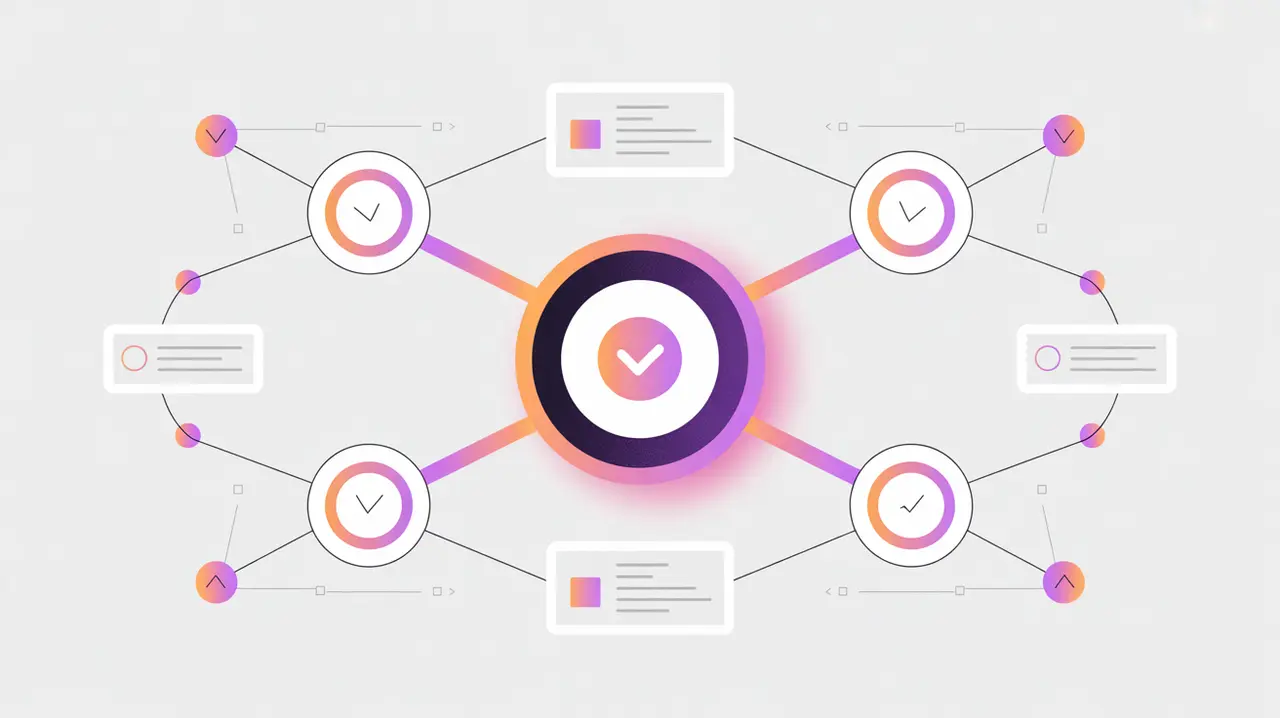
Importance of Zero Trust Architecture
Zero Trust Architecture (ZTA) is a security framework that assumes no user, device, or application should be trusted by default, even if already inside the network perimeter. Instead, every access request must be verified continuously based on identity, context, and policy. Its importance today lies in the breakdown of traditional security models, as cloud services, remote work, and distributed AI systems blur the boundaries of organizational networks.
For social innovation and international development, Zero Trust matters because mission-driven organizations often operate across borders, with diverse partners and devices accessing sensitive data. By applying a “never trust, always verify” approach, they can protect vulnerable communities while still enabling collaboration and resource sharing.
Definition and Key Features
Zero Trust shifts away from perimeter-based security, where everything inside the network was considered safe. Core principles include verifying every request, enforcing least-privilege access, and continuously monitoring sessions. Identity, device health, and environmental context (such as location or time of request) all factor into access decisions.
It is not the same as basic IAM, which focuses on authentication and authorization but may still rely on perimeter defenses. Nor is it equivalent to encryption alone, which protects data in transit and at rest but does not control who can access it. Zero Trust integrates IAM, encryption, monitoring, and network segmentation into a holistic approach to security.
How this Works in Practice
In practice, Zero Trust requires strong identity management, multi-factor authentication, and micro-segmentation of systems so that even if one component is compromised, others remain protected. Policies are dynamic, adapting to context such as device compliance or user behavior. Monitoring and analytics provide continuous verification, ensuring that access is appropriate and threats are detected early.
Challenges include complexity of implementation, costs of upgrading legacy systems, and user friction if controls are not well designed. Many organizations adopt Zero Trust gradually, starting with high-value assets and extending the model over time. Cloud providers increasingly offer integrated Zero Trust tools that simplify adoption for smaller organizations.
Implications for Social Innovators
Zero Trust Architecture strengthens security for mission-driven organizations working in sensitive areas. Health systems can protect patient data by requiring continuous verification for clinicians accessing records. Education platforms can safeguard student information across devices and networks. Humanitarian agencies can secure crisis-response systems accessed by multiple partners in unstable environments. Civil society groups can reduce the risk of breaches when collaborating with external stakeholders.
By applying Zero Trust, organizations ensure that data and systems remain resilient against threats, even in complex and resource-constrained contexts.