Importance of Tobacco
Tobacco is a major global crop with significant economic, health, and development implications. It generates income and employment for millions of farmers, workers, and traders, while contributing substantial tax revenues for governments. In international development, however, tobacco poses serious challenges because its health costsincluding cancer, respiratory disease, and cardiovascular illnessfar outweigh its economic benefits. For nonprofits and social innovators, tobacco matters because it highlights the tension between livelihoods and public health. Its importance lies in navigating this balance while promoting healthier, more sustainable alternatives.
Definition and Features
Tobacco refers to the cultivation, processing, and sale of leaves from the Nicotiana plant, primarily used for smoking, chewing, or snuff. Its defining features include:
- Economic Role: source of income, especially in rural agricultural communities.
- Public Health Impact: leading preventable cause of disease and death worldwide.
- Global Trade: significant export commodity for some low- and middle-income countries.
- Policy Context: subject to heavy regulation under frameworks such as the WHO Framework Convention on Tobacco Control (FCTC).
How this Works in Practice
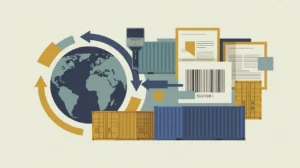
In practice, tobacco is grown by smallholder farmers and processed by multinational corporations for global distribution. Governments collect high excise taxes from tobacco sales, often justifying its role in public finance. NGOs and health organizations advocate for stricter regulation, awareness campaigns, and alternative livelihoods for farmers. Challenges include child labor in tobacco farming, exploitation of smallholder farmers, environmental degradation from cultivation, and widespread health risks from consumption.
Implications for Social Innovation
Tobacco has significant implications for social innovation because addressing its harms requires systemic solutions that balance health, economics, and livelihoods. Innovations include crop substitution programs, community-led cessation support, and awareness campaigns that leverage technology and culture. For proximate actors, reducing reliance on tobacco cultivation and consumption improves both health and long-term economic resilience. Tobacco remains economically significant but must be carefully managed to prioritize public health and sustainable development.