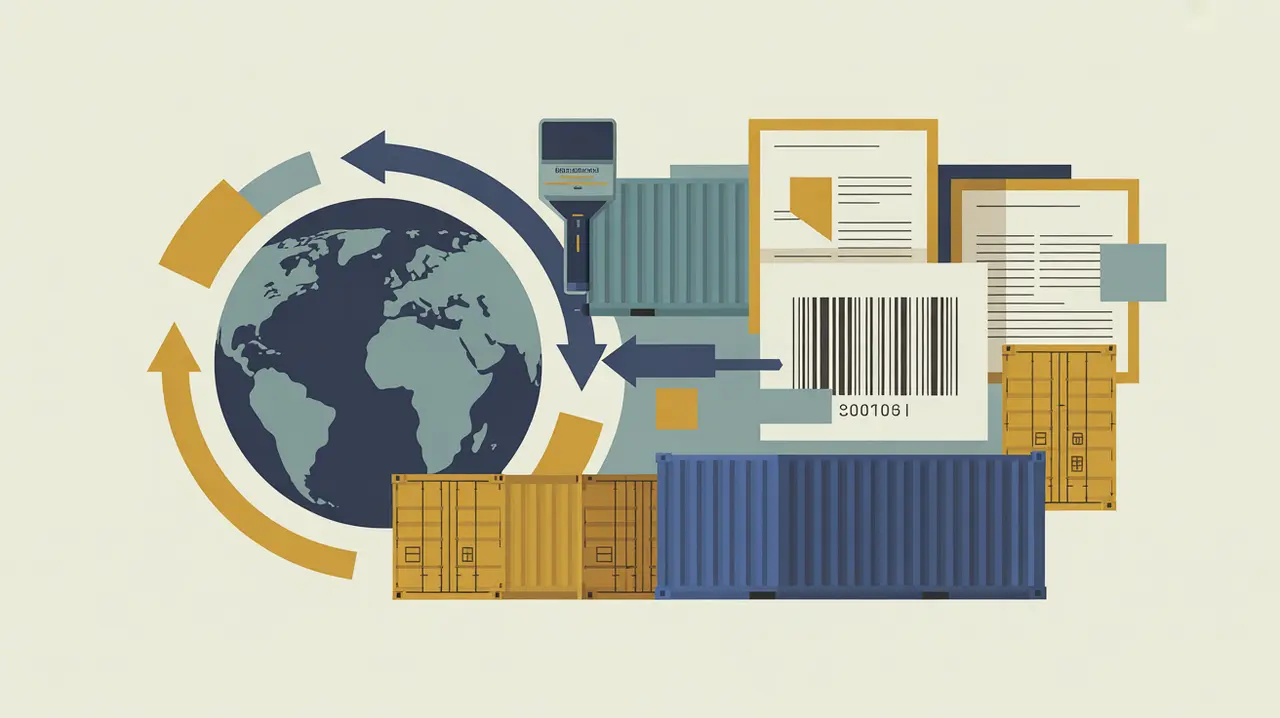
Importance of Trade Facilitation
Trade facilitation is essential for reducing the costs, time, and complexity of moving goods across borders. By streamlining customs, logistics, and regulatory processes, it strengthens economic competitiveness and opens access to global markets. In international development, trade facilitation is a driver of growth, particularly for low- and middle-income countries that rely on exports for income and job creation. For nonprofits and social innovators, it matters because efficient trade expands opportunities for small producers and enterprises to connect with regional and international markets. Its importance lies in linking local economies to global value chains in more inclusive and sustainable ways.
Definition and Features
Trade facilitation refers to the simplification, modernization, and harmonization of processes that govern international trade. Its defining features include:
- Customs Efficiency: streamlined inspections and faster clearance of goods.
- Regulatory Alignment: harmonization of standards and documentation across countries.
- Infrastructure and Logistics: improvements in ports, transport systems, and digital platforms.
- Transparency and Predictability: clear rules that reduce uncertainty for traders.
How this Works in Practice
In practice, trade facilitation involves measures such as electronic customs systems, single-window platforms for trade documentation, and risk-based cargo inspections. For example, regional trade agreements often include commitments to simplify border procedures, while development agencies fund capacity-building programs for customs authorities. Small businesses and farmers benefit when their goods can move quickly and affordably to international markets. Challenges include lack of infrastructure, corruption at border points, weak coordination across agencies, and uneven adoption of international standards.
Implications for Social Innovation
Trade facilitation has significant implications for social innovation because it enables smaller and proximate actors to participate in global commerce. Innovations such as digital trade platforms, blockchain-based supply chain tracking, and regional e-commerce hubs expand inclusion and efficiency. For proximate actors, effective trade facilitation reduces barriers to entry and enhances competitiveness. Trade facilitation is essential for integrating economies, reducing poverty, and promoting sustainable growth.