Importance of Household Products
Household products are essential for daily living, health, and wellbeing. They include cleaning supplies, hygiene items, cooking tools, and other goods that support safe, functional, and comfortable homes. In international development, access to affordable and safe household products influences public health outcomes, gender equity, and quality of life. For nonprofits and social innovators, household products matter because they shape how families manage sanitation, nutrition, and domestic labor, all of which are critical for human development.
Definition and Features
Household products refer to goods designed for use in maintaining and supporting the daily functioning of homes. Their defining features include:
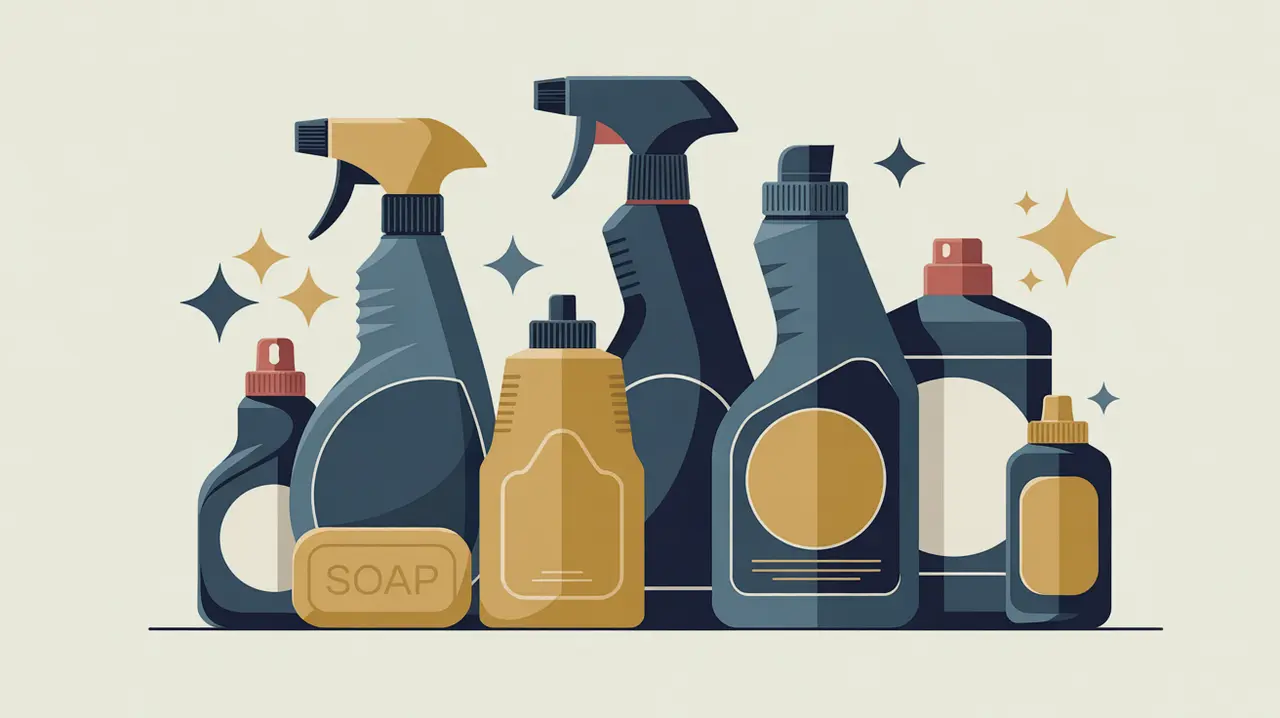
- Health and Hygiene: items like soap, disinfectants, and sanitary products.
- Food Preparation and Storage: cookware, utensils, and containers.
- Maintenance and Cleaning: products that ensure safe and clean environments.
- Accessibility: affordability, availability, and cultural relevance.
How this Works in Practice
In practice, household products are produced and distributed through local markets, retail chains, and informal vendors. For example, NGOs may run initiatives to increase access to sanitary pads, water filters, or clean cooking stoves in low-resource settings. Governments regulate product safety and may subsidize essential items to improve health outcomes. Barriers include affordability gaps, counterfeit products, and lack of access in rural or marginalized communities.
Implications for Social Innovation
Household products carry significant implications for social innovation because they directly affect health, efficiency, and dignity in daily life. Innovations such as biodegradable cleaning supplies, reusable sanitary products, and solar-powered cooking devices demonstrate how design and technology can improve accessibility and sustainability. For proximate actors, access to safe and affordable household products reduces health risks and improves quality of life. Household products are essential for wellbeing and resilience at the household level.