Importance of Political Rights
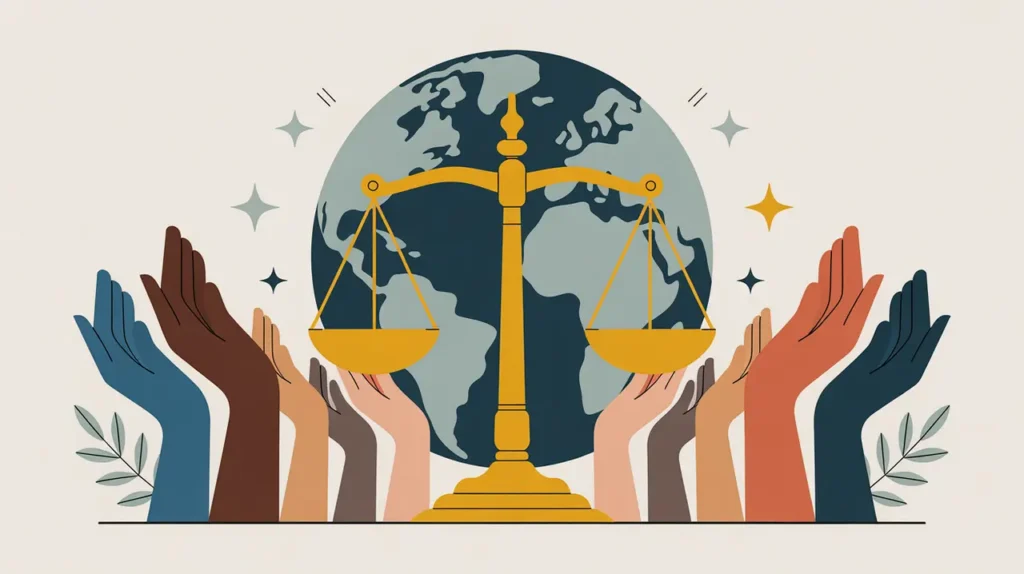
Political rights are fundamental to democracy, justice, and inclusive governance. They enable individuals to participate in decision-making processes, influence leadership, and hold institutions accountable. In international development, political rights are directly linked to stability, peace, and the protection of human dignity. For nonprofits and social innovators, political rights matter because they create the conditions under which communities can advocate for themselves and shape the policies that affect their lives. Their importance lies in ensuring that power is distributed fairly and exercised transparently.
Definition and Features
Political rights refer to the entitlements that allow individuals to take part in the political life of their societies. Their defining features include:
- Right to Vote: participation in free and fair elections.
- Right to Run for Office: eligibility to be elected to positions of authority.
- Freedom of Expression and Assembly: ability to voice opinions and gather peacefully.
- Participation in Governance: inclusion in policy debates, civic engagement, and oversight.
How this Works in Practice
In practice, political rights are safeguarded through constitutions, electoral systems, and legal protections. For example, independent electoral commissions oversee voting processes, while civil society organizations monitor elections to ensure fairness. International agencies may provide technical assistance or observe electoral processes in fragile states. Challenges include voter suppression, corruption, authoritarianism, and exclusion of marginalized groups such as women, youth, or minorities.
Implications for Social Innovation
Political rights have significant implications for social innovation because they allow people to shape institutions and advocate for systemic change. Innovations such as digital voting platforms, civic tech tools, and participatory governance mechanisms expand access and accountability. For proximate actors, political rights affirm agency and ensure their voices are represented in governance. Political rights are essential for inclusive, transparent, and sustainable development.