Importance of Single Sign-On (SSO)
Single Sign-On (SSO) is an authentication process that allows users to log in once and gain access to multiple applications or systems without needing to re-enter credentials. Its importance today lies in reducing the burden of managing multiple logins while strengthening security by centralizing identity management. SSO is widely adopted in enterprises, cloud environments, and AI platforms where users interact with many different services.
For social innovation and international development, SSO matters because mission-driven organizations often juggle numerous platforms for health, education, humanitarian response, and civil society coordination. With SSO, staff, partners, and communities can move seamlessly across tools, improving efficiency and reducing the risk of password fatigue or insecure credential practices.
Definition and Key Features
SSO works by federating authentication through a trusted identity provider, which verifies the user once and issues tokens that grant access to other connected applications. Common standards supporting SSO include SAML, OAuth, and OpenID Connect. Applications that trust the identity provider do not require separate logins, simplifying the user experience while centralizing control.
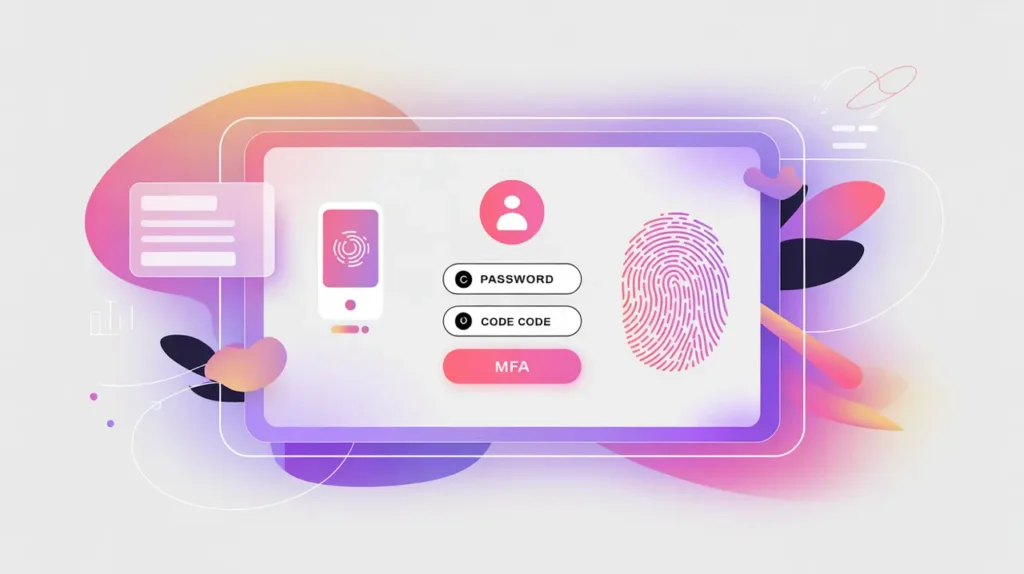
It is not the same as password managers, which store multiple credentials but still require individual logins. Nor is it equivalent to multi-factor authentication (MFA), which adds layers of security but does not unify login processes. SSO specifically focuses on reducing redundant logins while maintaining or improving security.
How this Works in Practice
In practice, SSO is implemented through identity providers such as Okta, Azure AD, or Google Identity, which connect to a range of applications. When a user logs in, the identity provider authenticates them and issues secure tokens that other systems trust. Administrators can enforce policies such as MFA or conditional access at the identity provider level, ensuring consistency across applications.
Challenges include managing trust relationships between identity providers and applications, ensuring availability of the central authentication service, and preventing overreliance on a single point of failure. Despite these concerns, SSO improves both usability and governance when deployed effectively.
Implications for Social Innovators
SSO provides mission-driven organizations with both efficiency and security. Health systems can enable clinicians to access diagnostic tools, patient records, and reporting platforms with a single login. Education platforms can allow students and teachers to move across digital classrooms, content libraries, and assessment systems without repeated logins. Humanitarian agencies can use SSO to unify access across crisis coordination platforms, enabling multiple partners to collaborate securely.
By simplifying authentication while centralizing control, SSO helps organizations reduce friction, improve trust, and strengthen digital security in mission-critical environments.