Importance of Agile Execution
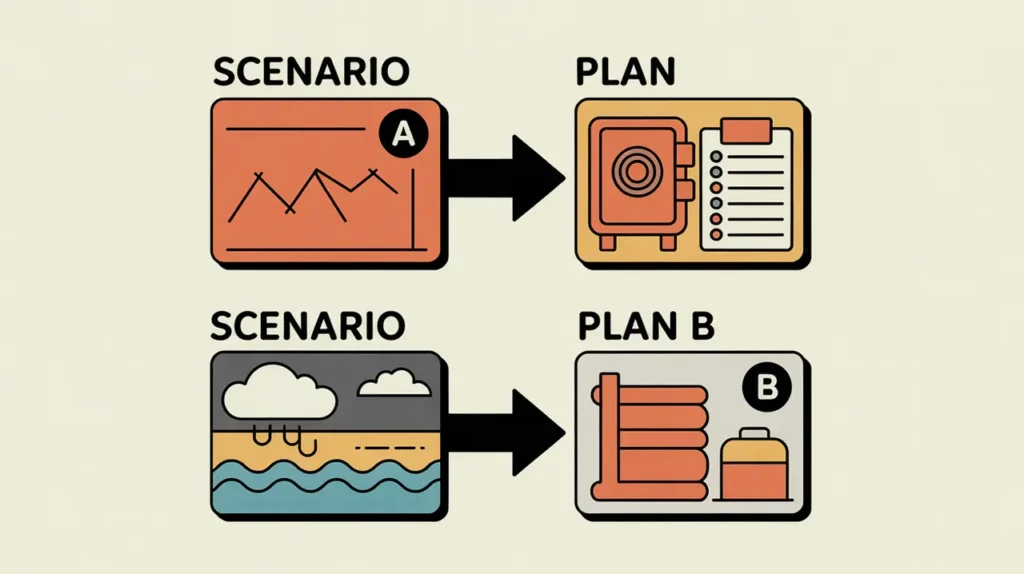
Agile Execution provides a flexible and iterative approach to implementing projects and strategies. It is important because traditional linear planning often struggles in dynamic or uncertain environments, where conditions and needs shift rapidly. In development and social innovation, Agile Execution matters because it allows organizations to adapt quickly, learn continuously, and deliver value in incremental steps rather than waiting for long project cycles to conclude.
Definition and Features
Agile Execution is a management and implementation framework that prioritizes responsiveness, collaboration, and iteration. Its defining features include:
- Iteration – work is delivered in short cycles (“sprints”) with opportunities to adjust.
- Feedback Loops – continuous input from users, stakeholders, and team members.
- Flexibility – plans evolve as learning and conditions change.
- Collaboration – emphasizes teamwork and co-ownership of outcomes.
- Value Delivery – focuses on producing usable, high-value outputs at each stage.
How this Works in Practice
In practice, a nonprofit developing a digital learning platform might use Agile Execution by releasing a minimum viable product to a small group of schools, gathering feedback, and refining features in rapid cycles before expanding. Humanitarian agencies may use agile methods to adapt logistics during crises, updating priorities weekly or daily. Challenges include donor or government systems that prefer rigid plans, cultural resistance to iterative approaches, and the risk of prioritizing speed over depth.
Implications for Social Innovation
Agile Execution strengthens social innovation by embedding adaptability and resilience into implementation. It ensures that interventions remain relevant to proximate needs, reduces waste by testing ideas before scaling, and accelerates learning. For practitioners, Agile Execution provides a practical way to manage complexity. For funders, it highlights the importance of flexible financing and tolerance for iteration. Agile Execution can bridge creativity and discipline, helping innovations thrive in uncertain and evolving systems.