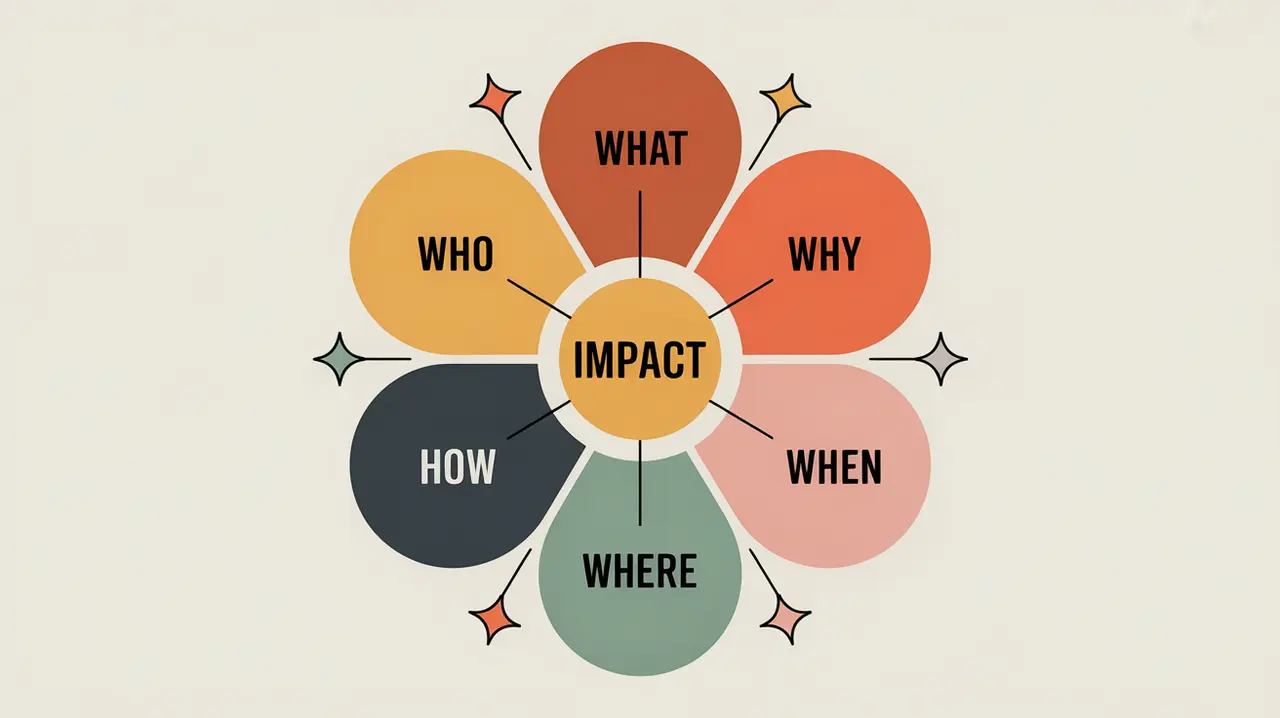
Importance of Theory of Change
Theory of Change provides a roadmap that links activities to outcomes and long-term impact. It is important because it clarifies assumptions, aligns stakeholders, and creates a shared understanding of how change is expected to happen. In development and social innovation, Theory of Change matters because it makes strategies more intentional, transparent, and measurable, ensuring that resources are directed toward pathways with the highest potential for impact.
Definition and Features
Theory of Change is a strategic framework that describes how and why a desired change is expected to occur in a specific context. Its defining features include:
- Causal Pathways – maps connections between inputs, activities, outputs, outcomes, and impact.
- Assumption Testing – surfaces beliefs about how change happens and makes them explicit.
- Contextualization – adapts to the specific system, stakeholders, and environment.
- Measurement Alignment – links indicators to intended outcomes.
- Shared Understanding – fosters clarity and alignment among stakeholders.
How this Works in Practice
In practice, organizations use Theory of Change to design programs, evaluate effectiveness, and communicate strategy to funders and partners. For example, a literacy program may outline how teacher training leads to better instruction, which improves student outcomes, which in turn enhances long-term educational attainment and community wellbeing. Challenges include oversimplifying complex systems, failing to revisit assumptions, or creating diagrams without embedding them in practice.
Implications for Social Innovation
Theory of Change strengthens social innovation by ensuring that bold ideas are grounded in clear logic and evidence. It helps innovators articulate their vision, test assumptions, and adapt based on learning. For funders and practitioners, investing in Theory of Change development supports accountability, transparency, and collaboration. It can transform innovation from isolated activity into a strategic, systemic approach to change and improvement.