What Does the Learning Clerk Role Involve?
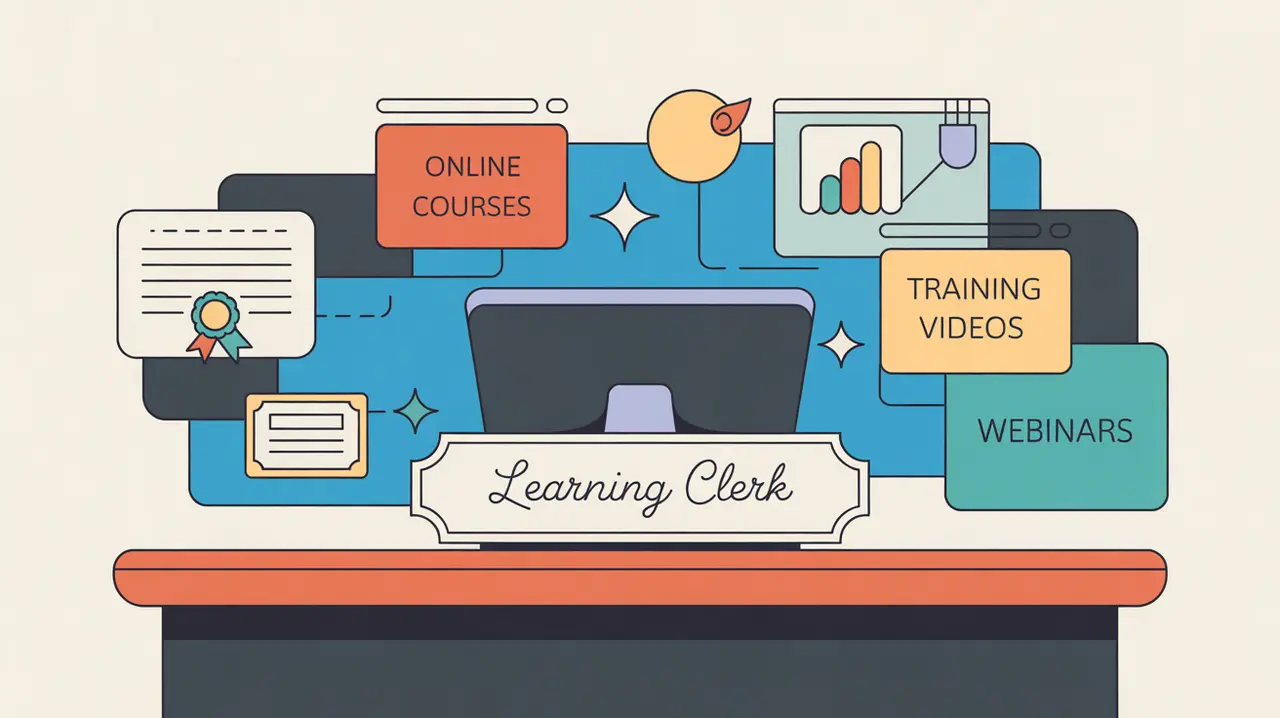
A learning clerk provides administrative and operational support to an organization’s learning and training functions. This includes maintaining records of training activities, coordinating logistics for workshops and learning sessions, assisting in the preparation of materials, and supporting monitoring of participation and completion. The role typically sits within human resources, learning and development, or program teams. In nonprofits and social enterprises, learning clerks play an important role in ensuring that staff training and capacity-building initiatives run smoothly and are well documented.
At What Level does this Role Operate?
Entry Level: This role typically reports to a learning specialist, training manager, or HR officer. It focuses on administrative coordination, data tracking, and logistical support, providing a foundation for future growth in learning and development roles.
Relative Employability: Learning clerk roles are consistently needed across organizations that invest in staff development, compliance training, or capacity-building programs. In nonprofits and social enterprises, where learning initiatives are often essential for program effectiveness, these roles offer stable entry points into HR and training functions.
Relative Pay Scale: Learning clerk roles sit within entry-level pay bands, reflecting their support-oriented responsibilities.
What are the Key Responsibilities and Activities?
- Maintain accurate records of staff training, workshops, and capacity-building activities
- Coordinate logistics for learning events, including scheduling, room or platform setup, and participant communications
- Assist in preparing learning materials, presentations, and resource packs for training sessions
- Track participation, attendance, and completion of mandatory or optional learning activities
- Support the administration of learning management systems (LMS) or other platforms used to deliver training
- Respond to staff inquiries about training schedules, requirements, or materials
- Provide clerical support for evaluations, feedback forms, and data entry related to learning activities
- Contribute to maintaining organized files and documentation for audits or reporting
What Core Competencies and Qualifications are Needed?
Required Qualifications and Experience
The following reflect common qualifications and experience expected for this role, while recognizing that pathways may vary by context, organization, and region.
- Academic background in administration, human resources, education, or related fields, or equivalent professional experience
- Experience in administrative or clerical roles, preferably in learning or HR functions
- Strong organizational skills and attention to detail
- Proficiency with office productivity tools and basic familiarity with LMS platforms
- Good communication and interpersonal skills
- Ability to manage multiple tasks and deadlines efficiently
Key Competencies
- Administrative support for learning functions
- Recordkeeping and data management
- Event and logistics coordination
- Learning material preparation
- LMS administration support
- Communication and customer service orientation
How are AI and Automation Shaping this Role?
An AI-native learning clerk will look to AI and automation to manage training logistics more efficiently, keep records accurate, and support learning programs at scale. They can use AI tools to schedule sessions, generate reminders, track attendance automatically, and compile reports on participation. Automation can update learning databases, issue certificates, and streamline feedback collection. By using these tools, learning clerks can reduce administrative burdens and contribute to more effective learning operations.
What Career Pathways and Transferable Skills are Associated with this Role?
Learning clerk roles can lead to positions such as learning specialist, training coordinator, HR officer, or program associate. The skills developed in administration, logistics, data management, and learning support are transferable across nonprofits, social enterprises, education institutions, and corporate training functions. This role provides a strong starting point for building a career in learning and development.