Importance of Electricity Supply
Electricity supply is fundamental to economic growth, human development, and social wellbeing. It powers industries, schools, hospitals, and homes, enabling communities to access opportunities that improve quality of life. In international development, electricity supply is a core driver of modernization and equity, bridging gaps between urban and rural areas. For nonprofits and social innovators, expanding reliable and affordable electricity unlocks progress across sectors, from digital inclusion to healthcare delivery. Its importance lies in its role as both a basic service and a catalyst for systemic transformation.
Definition and Features
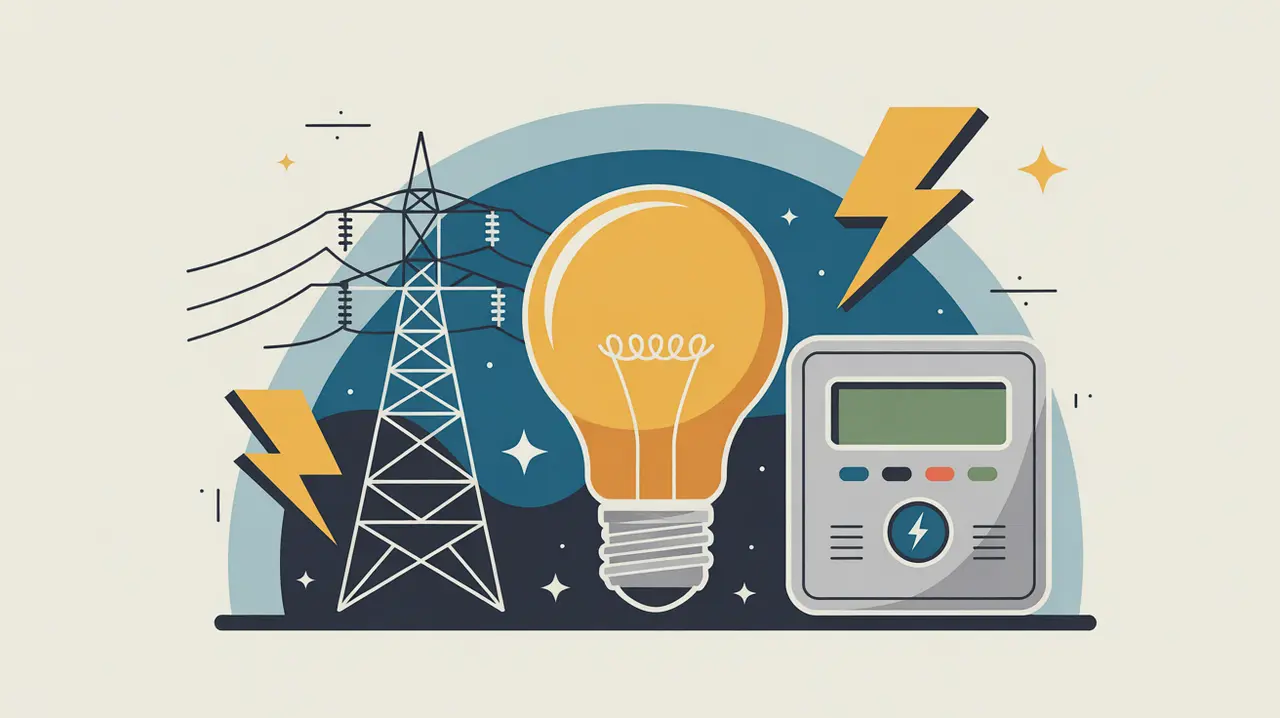
Electricity supply refers to the generation, transmission, and distribution of electrical power for residential, commercial, and industrial use. Its defining features include:
- Generation Sources: fossil fuels, hydropower, nuclear, and renewable energy such as solar and wind.
- Infrastructure Networks: grids, substations, and distribution lines that deliver electricity.
- Reliability and Access: the availability of consistent and affordable power.
- Regulation: policies and institutions governing tariffs, access, and safety standards.
How this Works in Practice
In practice, electricity supply systems vary widely across regions. In developed economies, centralized grids dominate, while in low-resource settings, off-grid and mini-grid solutions are increasingly important. For example, solar home systems and community microgrids are expanding access in rural Africa and Asia where centralized infrastructure is costly. Nonprofits often support electrification programs by subsidizing renewable technologies or advocating for inclusive energy policies. Barriers include high upfront costs, weak infrastructure, governance challenges, and dependence on fossil fuels that drive emissions.
Implications for Social Innovation
Electricity supply has far-reaching implications for social innovation. Expanding renewable and decentralized energy systems enables communities to power schools, clinics, and businesses sustainably. Innovations such as pay-as-you-go solar, energy cooperatives, and smart grids provide models for inclusive access. For proximate actors, electricity supply is about agency the ability to generate, manage, and benefit from energy locally. Transforming electricity supply toward renewable, affordable, and equitable systems is essential for building inclusive economies.