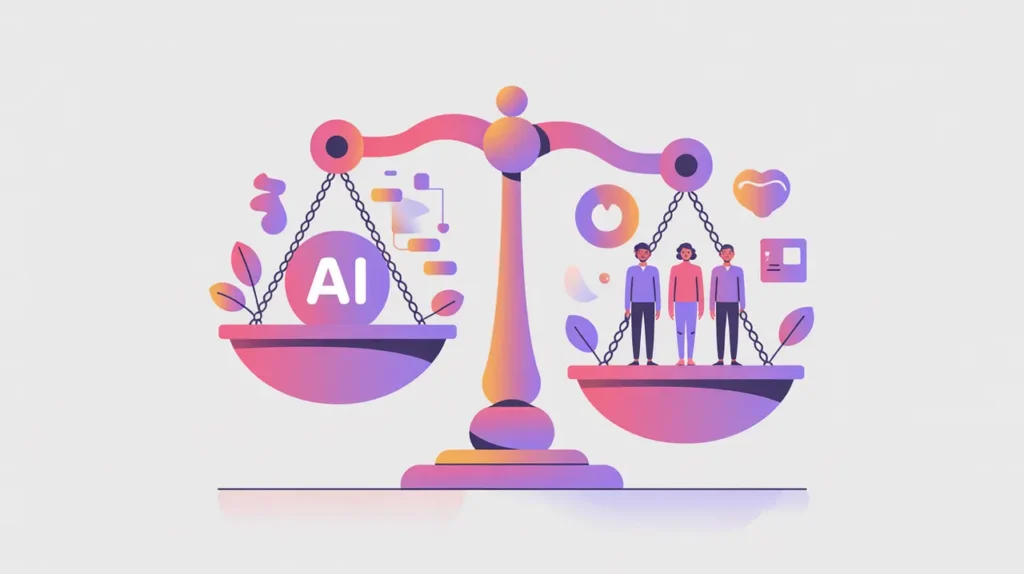
Importance of Model and Dataset Licensing
Model and Dataset Licensing refers to the legal and contractual frameworks that specify how AI models and datasets can be accessed, used, modified, and redistributed. These licenses set the terms for sharing intellectual property, defining rights and obligations for both developers and users. Their importance today lies in the fact that AI systems are increasingly built on shared models and datasets, where licensing governs not only legal compliance but also ethical responsibility and equitable access.
For social innovation and international development, model and dataset licensing matters because mission-driven organizations rely on third-party tools and data. Understanding and respecting license terms helps them innovate responsibly while safeguarding community trust and avoiding legal risk.
Definition and Key Features
Licenses for AI models and datasets vary widely. Some are permissive, allowing unrestricted use with attribution. Others impose limitations, such as non-commercial use only, or require derivatives to remain open. Emerging licenses, such as the Responsible AI License (RAIL), introduce ethical constraints, barring use in harmful applications. Dataset licenses may also specify requirements for consent, attribution, or restrictions on sensitive categories of data.
This is not the same as open source licensing for software, which is more established and standardized. Nor is it equivalent to informal data-sharing agreements. Model and dataset licensing addresses the unique risks and opportunities in AI ecosystems.
How this Works in Practice
In practice, model licensing might allow a nonprofit to fine-tune a language model for education as long as attribution is maintained. Dataset licensing might permit use of health survey data for research but prohibit redistribution or commercial exploitation. Organizations must review terms carefully, as combining multiple models or datasets with different licenses can create conflicts.
Challenges include lack of standardization across licenses, unclear enforcement, and the tension between open access and protection against misuse. For mission-driven organizations, ensuring that data use aligns with both legal requirements and community values is particularly important.
Implications for Social Innovators
Model and dataset licensing is directly relevant to mission-driven organizations. Health programs must respect licensing terms when using diagnostic models or sharing patient datasets. Education initiatives benefit from open-licensed datasets while ensuring compliance with restrictions. Humanitarian agencies must verify that crisis data is licensed for responsible use. Civil society groups advocate for licensing frameworks that prioritize equity, ethics, and benefit-sharing with data-contributing communities.
By navigating model and dataset licensing carefully, organizations can harness shared AI resources while maintaining legal integrity and ethical responsibility.