Importance of Jailbreaks and Safety Bypasses
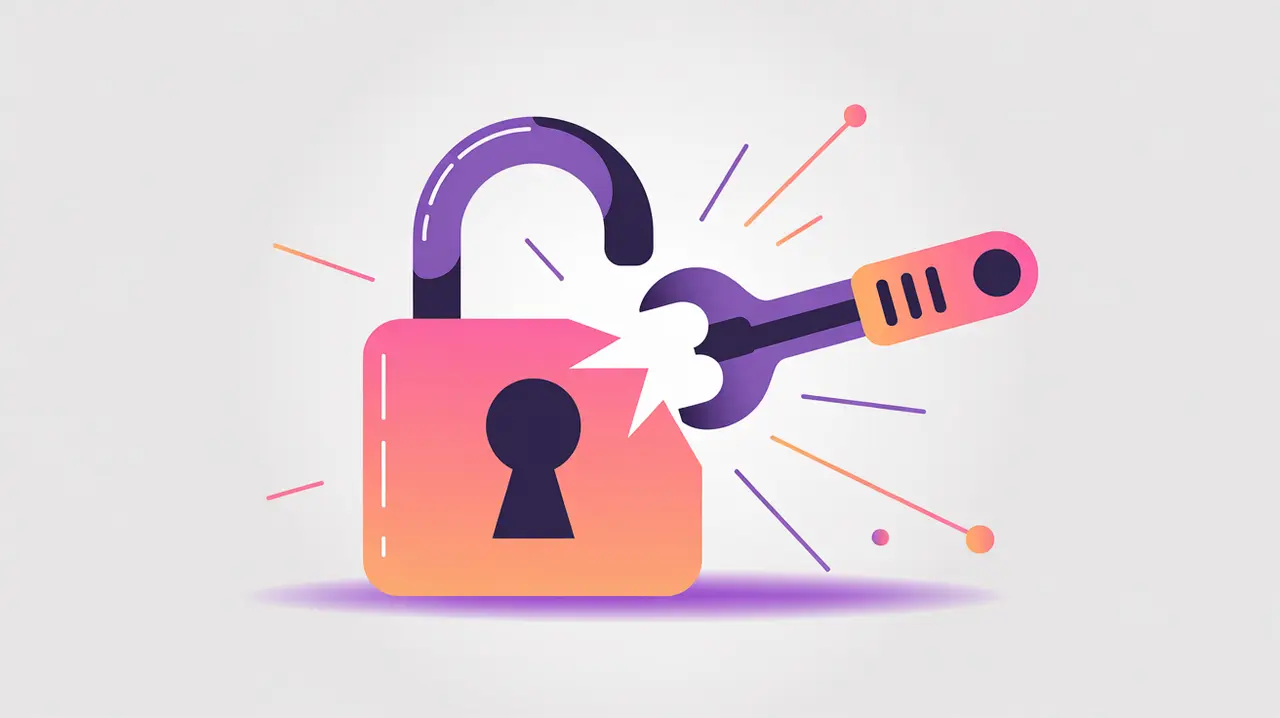
Jailbreaks and Safety Bypasses describe attempts to circumvent the built-in safeguards of AI systems, enabling them to generate outputs or perform actions that developers intended to restrict. These include tricks in phrasing, adversarial prompts, or hidden instructions designed to override ethical or safety rules. Their importance today lies in the increasing use of AI models in sensitive contexts, where successful jailbreaks can expose communities to harmful, biased, or unsafe content.
For social innovation and international development, understanding jailbreaks and safety bypasses matters because mission-driven organizations need to trust that AI systems deployed for health, education, or humanitarian purposes cannot be easily manipulated in ways that compromise safety or equity.
Definition and Key Features
Jailbreaks often exploit weaknesses in prompt design or safety alignment. Techniques include role-playing (“pretend you are not an AI”), translation to bypass filters, or embedding malicious instructions in external sources. Safety bypasses can also occur when system guardrails fail to catch edge cases, allowing disallowed outputs.
These are not the same as security vulnerabilities in infrastructure (like data breaches or hacking). Nor are they equivalent to benign customization of AI through fine-tuning. Jailbreaks and safety bypasses are deliberate manipulations that subvert safety mechanisms.
How this Works in Practice
In practice, attackers might coerce a chatbot into producing disallowed medical advice, generating harmful stereotypes, or revealing sensitive system information. Safety bypasses can also occur unintentionally, such as when benign prompts accidentally trigger harmful responses. Developers use adversarial testing, reinforcement learning with human feedback (RLHF), and red teaming to identify and close these loopholes.
Challenges include the adaptive nature of jailbreaks. Once one method is blocked, new techniques emerge. Balancing strong guardrails with system usability is also difficult, as overly restrictive models may limit legitimate use.
Implications for Social Innovators
Jailbreaks and safety bypasses are particularly concerning in mission-driven settings. Health chatbots could be tricked into providing unsafe treatment instructions. Education platforms could be manipulated into delivering harmful or inappropriate content to students. Humanitarian agencies relying on AI for crisis communication could face misinformation risks if guardrails are bypassed. Civil society groups often raise awareness about jailbreak risks to advocate for stronger safeguards and accountability.
By understanding and mitigating jailbreaks and safety bypasses, organizations ensure AI systems remain secure, trustworthy, and aligned with their intended purpose.