Importance of Remote and Distributed Collaboration Tools
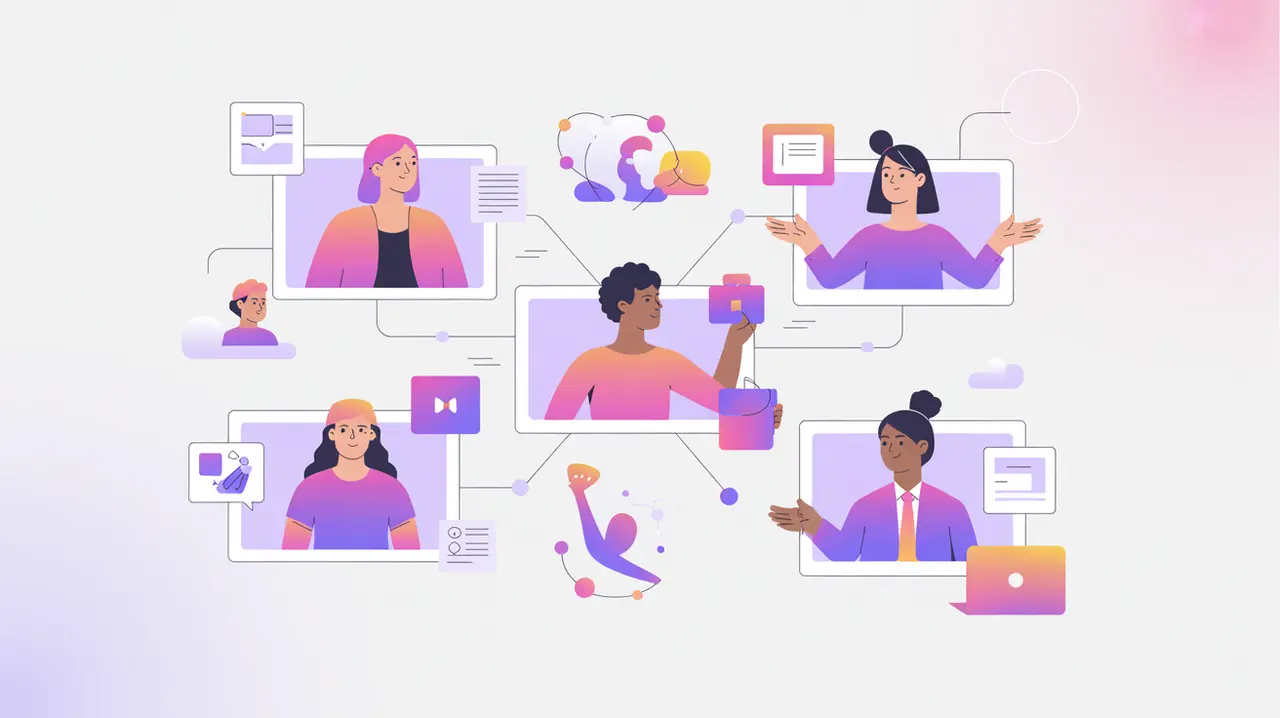
Remote and Distributed Collaboration Tools refer to the digital platforms and systems that enable people to work together across geographies, time zones, and organizational boundaries. These tools gained prominence during the COVID-19 pandemic and remain central as hybrid and distributed work models expand globally. Their importance today lies in supporting flexibility, inclusion, and productivity while reducing barriers to global collaboration.
For social innovation and international development, these tools matter because mission-driven organizations often work across dispersed teams, with staff, partners, and communities spread across countries and regions.
Definition and Key Features
Remote collaboration tools include video conferencing platforms, shared document systems, project management software, and asynchronous communication apps. Distributed collaboration also relies on secure cloud infrastructure, workflow integration, and sometimes AI-enabled features like transcription or translation.
These are not the same as traditional office productivity tools, which assume co-located work. Nor are they equivalent to ad hoc communication methods like email alone. Remote and distributed collaboration tools are designed specifically for continuous, structured, cross-location teamwork.
How this Works in Practice
In practice, these tools allow humanitarian agencies to coordinate field operations in real time, education initiatives to connect teachers across countries, and NGOs to manage projects with global partners. Features like version control, collaborative editing, and integrated dashboards ensure transparency and reduce duplication.
Challenges include digital divides that limit access, security concerns when sensitive data is shared online, and the risk of “always-on” cultures leading to burnout. Building effective collaboration requires not only tools but also norms for communication, accountability, and inclusion.
Implications for Social Innovators
Remote and distributed collaboration tools directly strengthen mission-driven work. Health programs use them to link local clinics with global experts. Education initiatives build virtual communities of practice among teachers. Humanitarian agencies coordinate multi-country responses more effectively. Civil society groups rely on them to connect activists and partners across regions.
By adopting and governing these tools responsibly, organizations expand their reach, improve efficiency, and create inclusive spaces for global collaboration.