Importance of Water, Sanitation, and Hygiene Monitoring
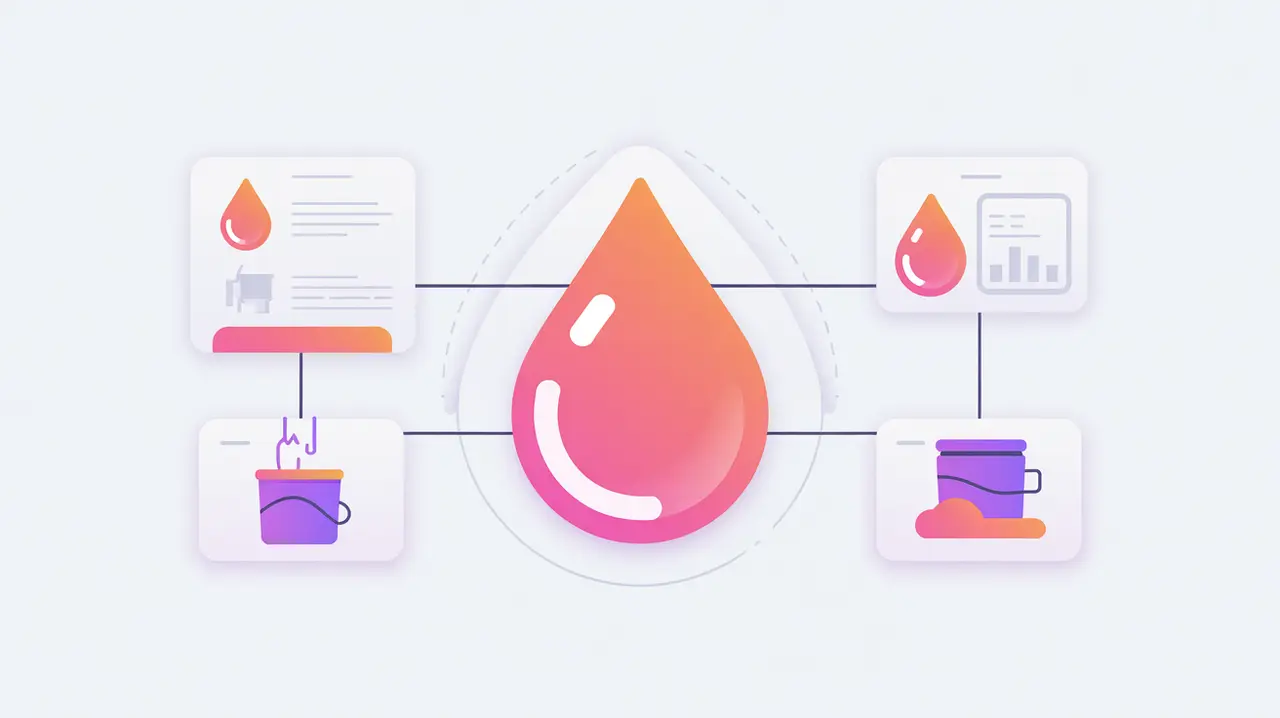
Water, Sanitation, and Hygiene (WASH) Monitoring refers to systems that track the availability, quality, and use of water and sanitation services, as well as hygiene practices. These systems combine field data, sensors, and analytics to provide actionable insights for improving health and well-being. Their importance today lies in the fact that safe water and sanitation remain global challenges, closely linked to disease prevention, child survival, and human dignity.
For social innovation and international development, WASH monitoring matters because mission-driven organizations often operate in communities where inadequate services threaten health outcomes. Effective monitoring ensures interventions are targeted, equitable, and sustainable.
Definition and Key Features
WASH monitoring systems use tools such as mobile data collection apps, water quality sensors, GIS mapping, and community surveys. Platforms like mWater, Akvo Flow, and government dashboards help track indicators aligned with Sustainable Development Goal 6 (clean water and sanitation). Data can include water source functionality, latrine access, handwashing facilities, and behavioral practices.
They are not the same as one-time water quality tests, which provide snapshots without continuous monitoring. Nor are they equivalent to infrastructure inventories alone, which focus on assets but not user practices or health outcomes. WASH monitoring combines technical and social data for a holistic view.
How this Works in Practice
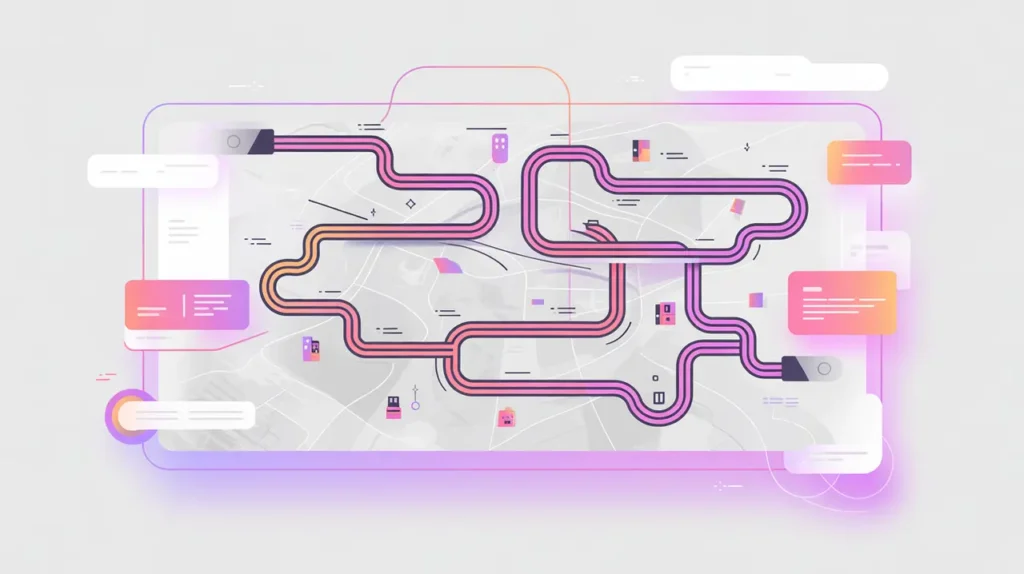
In practice, WASH monitoring involves enumerators or sensors capturing data on water point functionality, quality, and usage. GIS dashboards map service coverage, while automated alerts can notify authorities of breakdowns. Behavioral monitoring assesses whether facilities are being used and maintained effectively. AI models can forecast risks of contamination or predict where service gaps may emerge.
Challenges include limited funding for ongoing monitoring, the need for community involvement in data collection, and the risk of excluding marginalized groups. Ensuring data is acted upon is critical for impact.
Implications for Social Innovators
WASH monitoring is vital for mission-driven organizations. Health programs use it to track water safety and reduce the spread of diarrheal diseases. Education initiatives rely on it to ensure schools provide safe water and sanitation for students. Humanitarian agencies deploy WASH monitoring during crises to prevent outbreaks in refugee or displacement camps. Civil society groups use monitoring data to advocate for equitable access and hold governments accountable for service delivery.
By combining technology with community engagement, WASH monitoring strengthens accountability, improves public health, and advances global goals for safe water and sanitation.