Importance of Digital Public Goods
Digital Public Goods (DPGs) are open-source technologies, data, and content that meet privacy, transparency, and equity standards and are designed to be freely available for public use. They are recognized by the United Nations as critical enablers for achieving the Sustainable Development Goals. Their importance today lies in their ability to reduce duplication, increase access, and ensure that digital resources are shared equitably across borders and communities.
For social innovation and international development, DPGs matter because mission-driven organizations often face limited budgets but high demand for scalable, inclusive solutions. Using and contributing to DPGs helps build collaborative ecosystems that serve the common good.
Definition and Key Features
The Digital Public Goods Alliance (DPGA) defines DPGs as resources that are open source, promote interoperability, safeguard privacy, and avoid harm. Examples include open-source health information systems, global datasets, and open educational resources. Unlike proprietary tools, DPGs are built for collective benefit rather than private gain.
They are not the same as general open-source projects, which may lack safeguards for equity or responsible use. Nor are they equivalent to commercial public goods like cloud services. DPGs are specifically curated and certified to align with ethical and development-oriented principles.
How this Works in Practice
In practice, a DPG might be an open-source learning management system used by ministries of education, a global dataset supporting climate adaptation, or a digital ID system built to prioritize privacy and inclusivity. Mission-driven organizations can contribute to the development, localization, or governance of these tools while leveraging them to reduce costs and accelerate impact.
Challenges include ensuring sustainable funding, avoiding dependency on volunteer labor, and building governance structures that protect against misuse. Localization also remains a key barrier, as DPGs must be adapted to diverse cultural and linguistic contexts.
Implications for Social Innovators
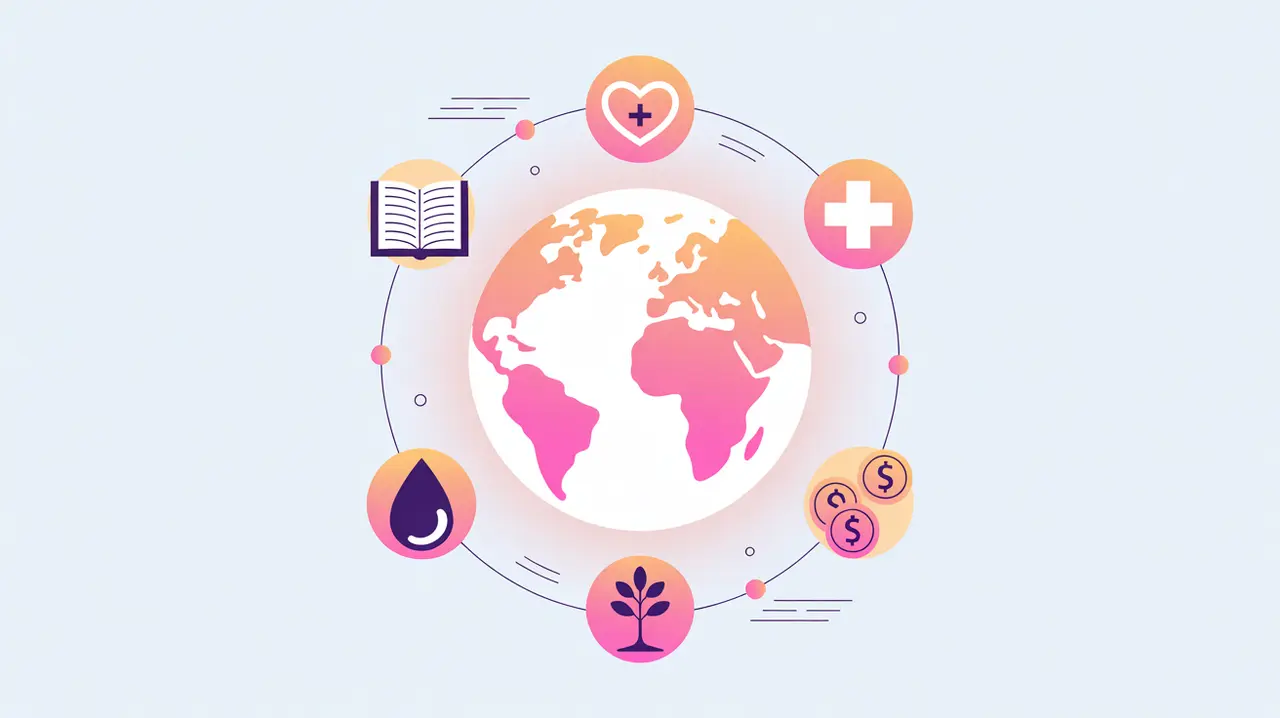
Digital public goods are transformative across mission-driven sectors. Health programs rely on open-source platforms for managing patient data and supporting research. Education initiatives leverage open content and platforms to expand access in resource-limited settings. Humanitarian agencies adopt DPGs for crisis mapping, beneficiary registration, and coordination. Civil society groups champion DPGs as alternatives to proprietary systems that may lock in costs or compromise rights.
By adopting and contributing to digital public goods, organizations strengthen equity, sustainability, and collaboration, ensuring that technology serves as a shared resource for social impact.