What Does the Adaptation Lead Role Involve?
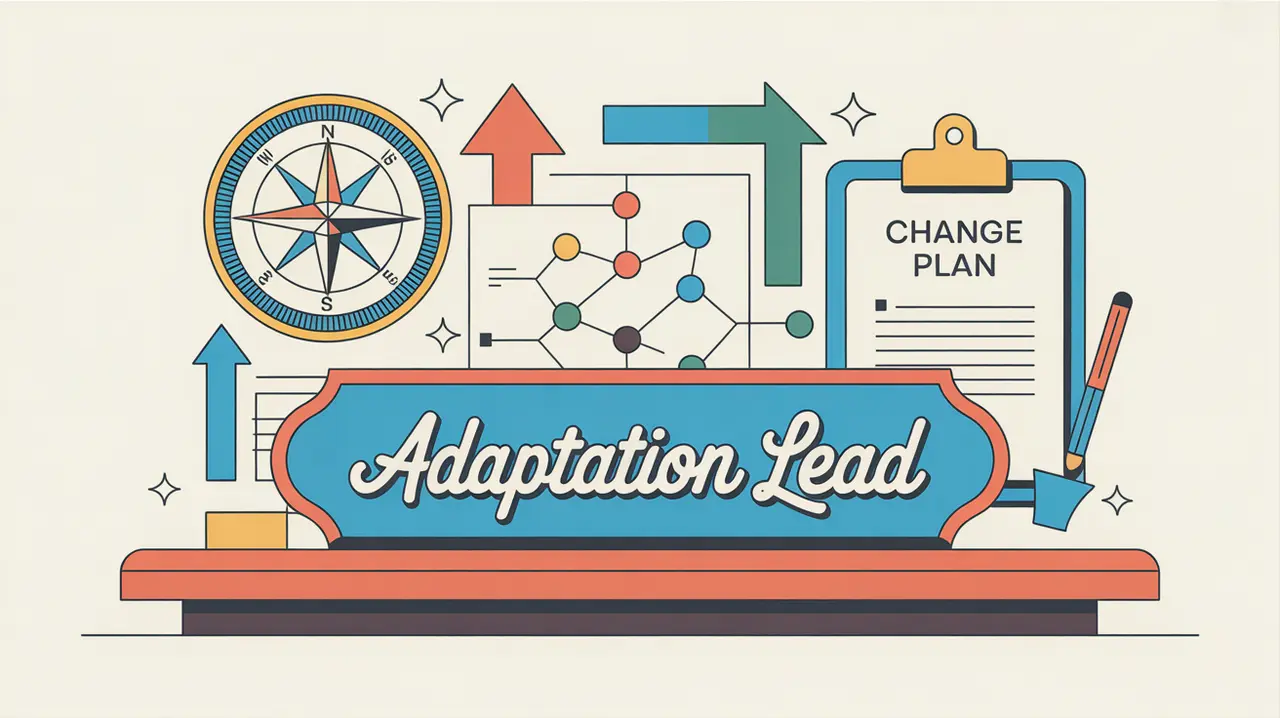
An adaptation lead is responsible for guiding the design and implementation of organizational or programmatic strategies that address environmental, social, or economic changes. This often includes leading climate adaptation initiatives, resilience-building programs, or sector-specific adaptation efforts. Adaptation leads develop frameworks, oversee research and analysis, coordinate multi-stakeholder processes, and ensure that adaptation strategies are evidence-based and contextually appropriate. The role typically sits within program, strategy, or research functions and involves both technical expertise and leadership. In nonprofits and social enterprises, adaptation leads play a key role in aligning organizational strategies with the realities of a changing world, ensuring mission relevance and long-term impact.
At What Level does this Role Operate?
Mid Level: This role operates with significant autonomy within programmatic or strategic teams in organizations working on adaptation and resilience. Adaptation leads usually report to senior program managers, directors of strategy, or technical leads, and may supervise associates or coordinate interdisciplinary project teams. They are responsible for leading project components, shaping strategy, and engaging external partners and stakeholders.
Relative Employability: Mid-level adaptation roles are increasingly in demand across nonprofits, social enterprises, research institutions, and international organizations working on climate action and resilience. Individuals with technical expertise and leadership capacity in adaptation are well positioned in a growing field.
Relative Pay Scale: Within nonprofits and social enterprises, adaptation lead roles typically sit in the mid to upper pay bands for program and technical staff. They are generally compensated above entry-level research or program positions and are competitive with other mid-level technical roles, reflecting the specialized nature of adaptation work.
What are the Key Responsibilities and Activities?
- Lead the design and execution of adaptation strategies and programs
- Develop analytical frameworks and methodologies for adaptation and resilience initiatives
- Coordinate cross-functional teams and partner organizations to deliver adaptation objectives
- Oversee research, assessments, and monitoring activities to inform strategy
- Provide technical guidance and support to program teams and external stakeholders
- Contribute to resource mobilization through proposal development and donor engagement
- Represent the organization in adaptation networks, forums, and strategic partnerships
- Ensure alignment of adaptation initiatives with organizational mission and goals
What Core Competencies and Qualifications are Needed?
Required Qualifications and Experience
The following reflect common qualifications and experience expected for this role, while recognizing that pathways may vary by context, organization, and region.
- Relevant academic background in environmental studies, climate science, development, policy, or a related field, or equivalent professional experience
- Appropriate years of relevant experience for a mid-level role, typically involving hands-on adaptation program design and implementation
- Demonstrated experience leading adaptation or resilience projects or components
- Familiarity with climate adaptation frameworks, policy processes, and multi-stakeholder coordination
- Strong analytical, communication, and leadership skills
Key Competencies
- Ability to design and lead adaptation strategies and initiatives
- Technical understanding of climate adaptation and resilience frameworks
- Strategic thinking and ability to translate evidence into actionable programs
- Skill in managing teams and collaborating across sectors and disciplines
- Strong stakeholder engagement and partnership-building capabilities
- Capacity to mentor junior staff and guide technical workstreams
How are AI and Automation Shaping this Role?
An AI-native adaptation lead will look to AI and automation to enhance analytical rigor, accelerate data-driven decision making, and strengthen scenario planning. They can use AI tools to model climate impacts, evaluate multiple adaptation pathways, and support evidence-based prioritization of strategies. Automation can streamline data collection, monitoring, and reporting processes, allowing adaptation leads to focus on strategic synthesis, stakeholder engagement, and leadership. Familiarity with predictive analytics, geospatial tools, and AI-supported risk modeling can help adaptation leads design more adaptive, forward-looking programs.
What Career Pathways and Transferable Skills are Associated with this Role?
Adaptation lead roles prepare professionals to advance into senior technical or program management positions, such as adaptation specialists, strategy directors, or climate program leads. The combination of technical expertise, strategic thinking, and leadership developed in this role is transferable to senior roles in climate policy, sustainable development, risk management, and strategic planning across nonprofits, social enterprises, international organizations, and research institutions.