What Does the Procurement Officer Role Involve?
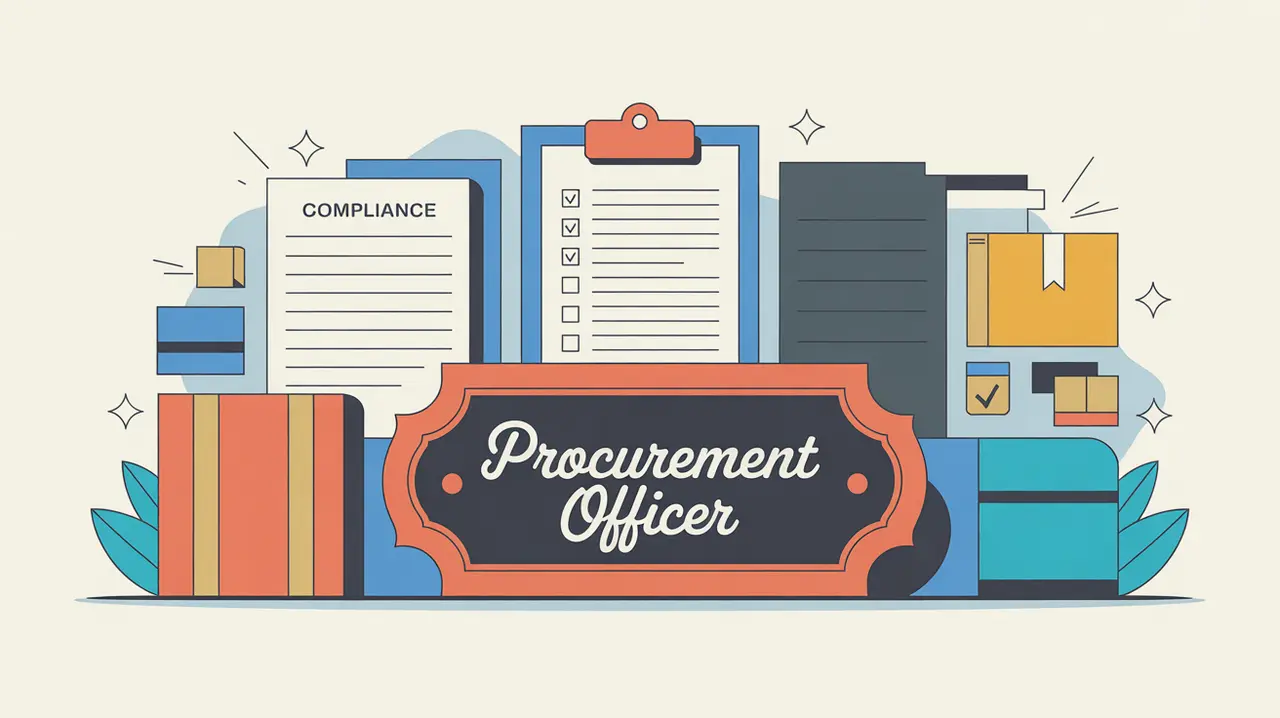
A Procurement Officer is responsible for managing day-to-day procurement activities, including sourcing goods and services, evaluating suppliers, negotiating contracts, and ensuring compliance with organizational policies and donor regulations. They serve as the operational backbone of the procurement function, ensuring that procurement is conducted efficiently, transparently, and cost-effectively.
In nonprofits and social enterprises, Procurement Officers play a key role in ensuring that programs and operations have the materials and services they need on time, while maintaining financial accountability and regulatory compliance.
At What Level does this Role Operate?
Mid Level: Procurement Officers typically operate with moderate autonomy, reporting to a Procurement Manager, Finance Manager, or Operations Lead. They manage procurement processes end to end within defined policies and often supervise assistants or clerks who support administrative tasks.
Relative Employability: Procurement Officer roles are widely available in nonprofits, NGOs, development agencies, and social enterprises. They are essential in organizations that handle regular purchasing activities, vendor management, or donor-funded procurement.
Relative Pay Scale: Procurement Officers generally occupy the mid pay band. Their compensation reflects their operational responsibility and subject-matter expertise, sitting above assistant roles but below managerial or strategic procurement positions.
What are the Key Responsibilities and Activities?
- Manage the end-to-end procurement process for goods and services, from solicitation to contract award
- Prepare and issue requests for quotations (RFQs), tenders, or proposals in line with procurement policies
- Evaluate bids and proposals based on predefined criteria, ensuring transparency and fairness
- Negotiate pricing, terms, and delivery schedules with vendors
- Draft, review, and process purchase orders, contracts, and related documentation
- Maintain accurate procurement records and ensure compliance with donor and legal requirements
- Monitor supplier performance, resolve issues, and maintain effective vendor relationships
- Coordinate with program, finance, and operations teams to align procurement with organizational needs
What Core Competencies and Qualifications are Needed?
Required Qualifications and Experience
The following reflect common qualifications and experience expected for this role, while recognizing that pathways may vary by context, organization, and region.
- Relevant academic background in business administration, supply chain management, finance, or related fields
- Several years of experience in procurement, purchasing, or supply chain operations, preferably in nonprofit or development contexts
- Knowledge of procurement procedures, compliance requirements, and contracting processes
- Experience evaluating bids, negotiating terms, and managing supplier relationships
- Familiarity with procurement software and databases
Key Competencies
- Strong understanding of procurement principles and compliance frameworks
- Analytical skills for evaluating bids and cost-effectiveness
- Negotiation and vendor management skills
- Excellent organizational and documentation abilities
- Attention to detail and commitment to transparency and accountability
- Ability to manage multiple procurement processes simultaneously
How are AI and Automation Shaping this Role?
An AI-native Procurement Officer can use AI tools to automate supplier vetting, bid evaluation, and compliance checks. Predictive analytics can help forecast procurement needs, while automated workflows can speed up approvals and documentation. AI-assisted contract review can flag risks or deviations from policy, improving efficiency and compliance. These tools enable officers to focus more on strategic sourcing and relationship management while reducing manual administrative tasks.
What Career Pathways and Transferable Skills are Associated with this Role?
Procurement Officers can progress to roles such as Procurement Manager, Operations Manager, or Finance Manager. Their skills in sourcing, negotiation, and compliance are transferable to broader operational leadership, supply chain management, and strategic procurement roles. Over time, they may take on responsibility for managing complex procurement portfolios, leading procurement teams, or shaping procurement strategies at an organizational or regional level.