Importance of Civic Participation
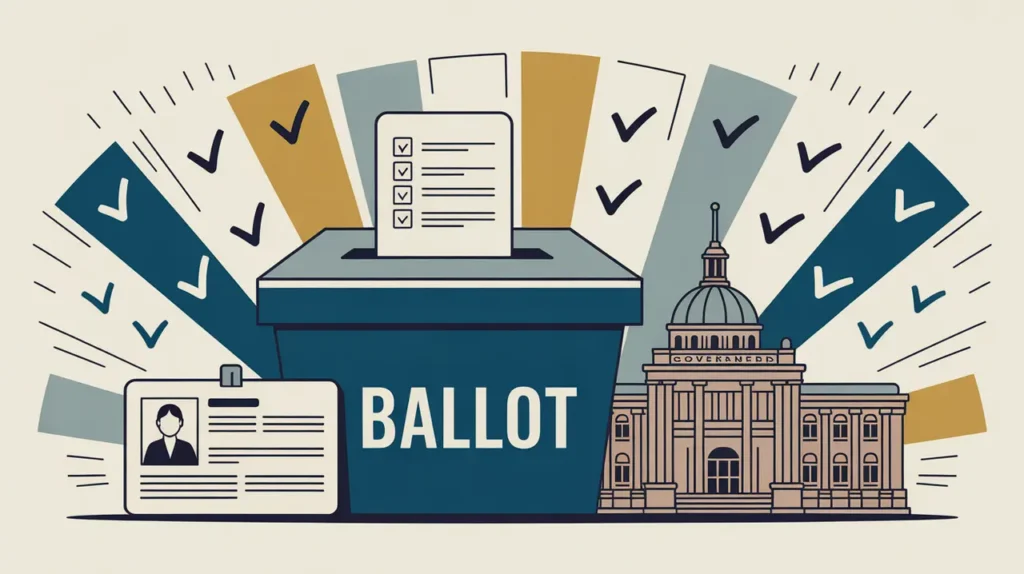
Civic participation is fundamental to democracy, accountability, and inclusive development. It enables individuals and communities to influence decisions that affect their lives, ensuring that governance reflects diverse voices and needs. In international development, civic participation strengthens social contracts, reduces marginalization, and fosters trust between citizens and institutions. For nonprofits and social innovators, promoting participation creates opportunities for proximate actors to exercise agency, shape policy, and build more resilient and equitable societies.
Definition and Features
Civic participation refers to the active engagement of citizens in political, social, and community processes. Its defining features include:
- Political Engagement: voting, advocacy, and involvement in policy dialogue.
- Community Action: volunteering, organizing, and contributing to local initiatives.
- Deliberation: participating in consultations, town halls, or participatory budgeting.
- Accountability Mechanisms: holding leaders and institutions responsible through monitoring and feedback.
How this Works in Practice
In practice, civic participation ranges from grassroots mobilization to formal engagement with government institutions. For example, community groups may organize forums to influence local budget allocations, while civil society organizations facilitate citizen monitoring of public services. Digital tools expand opportunities for engagement by enabling e-petitions, crowdsourced policy ideas, and online campaigns. Barriers include restrictive laws, lack of information, cultural norms, and risks of reprisals in authoritarian contexts. Development organizations often work to strengthen civic space and provide safe platforms for participation.
Implications for Social Innovation
Civic participation shapes the ecosystem in which social innovation occurs. It ensures that new solutions are accountable to the people they intend to serve and that systemic change reflects lived realities. For proximate actors, meaningful participation affirms agency and helps counter top-down models of development. Innovations such as participatory technology platforms, citizen assemblies, or community scorecards show how participation can be embedded into governance and service delivery. By fostering inclusive engagement, civic participation strengthens democracy and catalyzes collaboration and trust across sectors.